
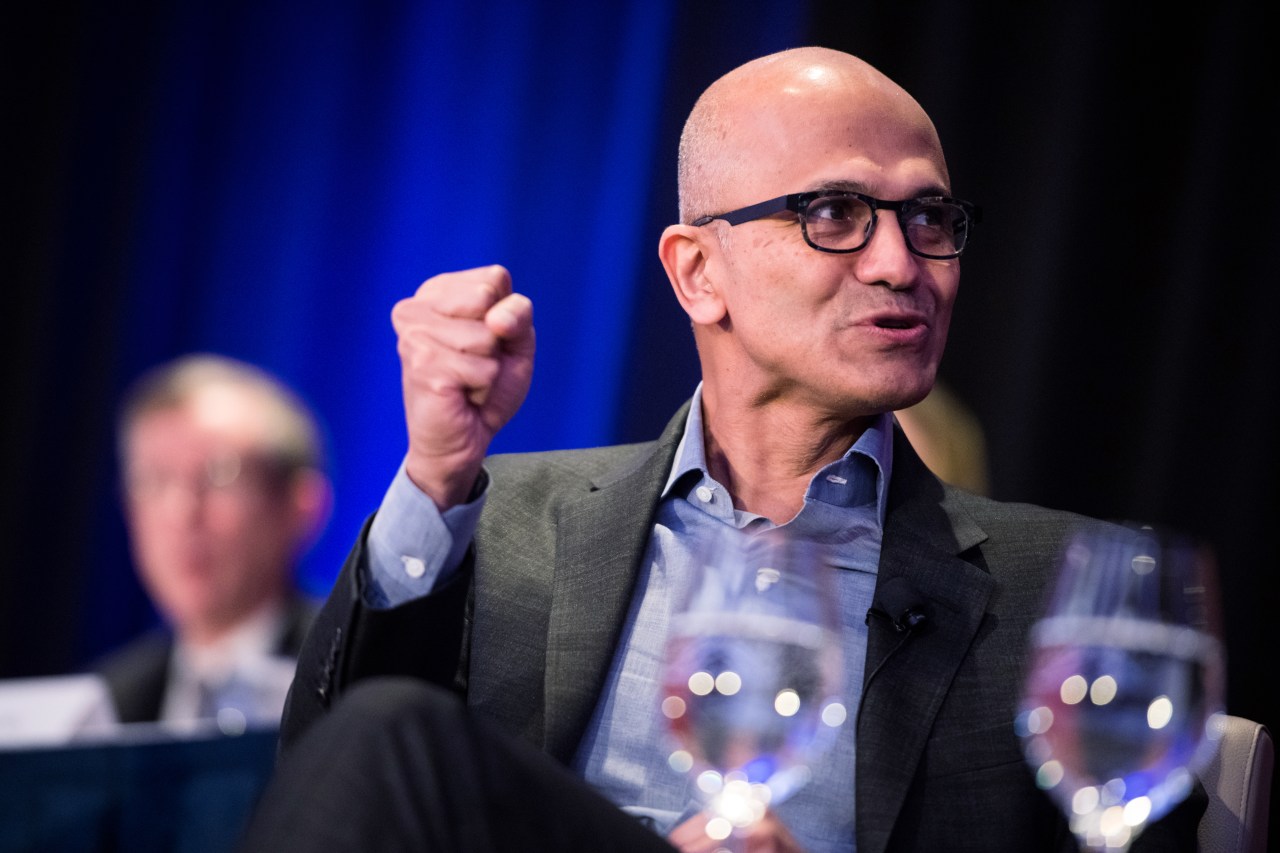
In an age where technology constantly reshapes our reality, the emphasis on accessibility in tech development holds paramount importance. Recognizing this pressing need, Microsoft has made commendable moves to address the challenges faced by individuals with disabilities through its AI for Accessibility program. Recently, the tech giant committed a substantial $25 million to expand these efforts, underscoring its dedication to inclusivity and empowerment.
The Personal Touch Behind Innovation
Satya Nadella, the CEO of Microsoft, has been vocal about the personal significance of accessibility. His insights, highlighted in his bestselling book, paint a vivid picture of an environment where technology is not merely a tool but a pathway to enhance lives. This personal narrative is not just a rhetorical flourish but a driving force behind Microsoft’s initiatives. The company’s approach demonstrates a unique intersection between compassion and innovation, making technology more available and usable for everyone, particularly people with disabilities.
Understanding the Challenge
The statistics are sobering: only one in ten people with disabilities have access to the assistive technologies that could drastically improve their quality of life. This alarming disparity drives Microsoft’s mission further. According to Microsoft President Brad Smith, making AI solutions widely accessible could reshape the fundamental interactions of the disabled community with technology, offering new avenues for engagement, productivity, and social connection.
Program Highlights: Funding and Collaboration
Microsoft’s AI for Accessibility initiative is designed to foster innovation through funding. The project is a five-year plan aimed at providing seed grants to developers, universities, inventors, and NGOs that focus on crafting solutions for people with disabilities. The program is in line with the company’s previous projects like AI for Earth, which also sought to empower communities through technology.
- Targeted Grants: The seed grants will help to jumpstart projects that aim to create technologies that bridge the accessibility gap.
- Collaboration with Experts: Promising projects will be identified and connected with Microsoft’s in-house teams of experts to help them scale effectively.
- Inclusive Design Philosophy: As emphasized by Smith, the notion of disabilities extends beyond permanent conditions; it encompasses temporary and situational challenges, thus fostering a design ethos that benefits all users.
Broadening the Impact
Microsoft’s approach transcends the traditional model of assistive technology development by emphasizing inclusive design principles. The philosophy of innovating for people with disabilities ultimately translates to innovations that benefit all users, whether they face temporary limitations or challenges in various aspects of life. This broader impact speaks volumes about how inclusivity can lead to richer technological ecosystems.
Conclusion: A Culture of Empowerment
The $25 million commitment to the AI for Accessibility program is not just a financial contribution; it’s a testament to Microsoft’s commitment to a culture of empowerment and innovation. By investing in projects that make a tangible difference in the lives of people with disabilities, Microsoft is setting a standard for how corporate responsibility can align with the pursuit of technological advancement.
At fxis.ai, we believe that such advancements are crucial for the future of AI, as they enable more comprehensive and effective solutions. Our team is continually exploring new methodologies to push the envelope in artificial intelligence, ensuring that our clients benefit from the latest technological innovations.
For more insights, updates, or to collaborate on AI development projects, stay connected with fxis.ai.