
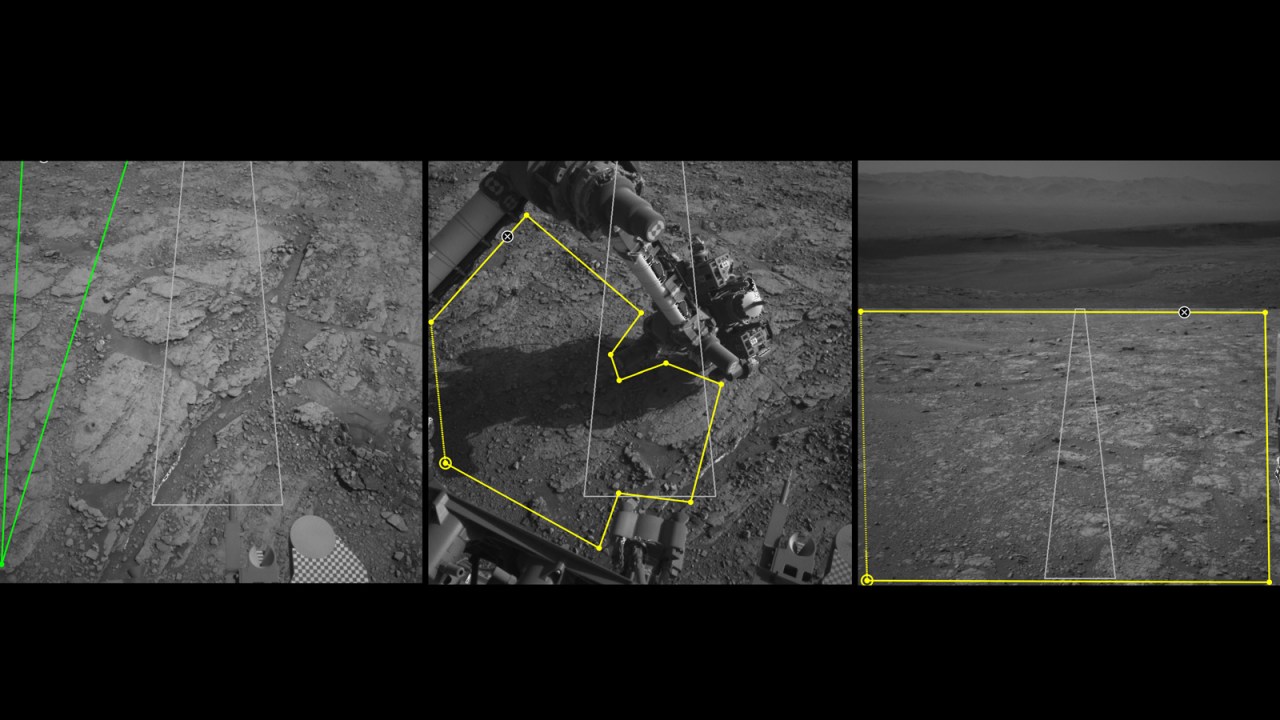
For nearly a decade, NASA’s Curiosity rover has been diligently roving the Martian surface, unraveling the secrets of the Red Planet. But this ambitious journey is far from over. As technology continues to evolve, so too does the need for innovative solutions to enhance the rover’s capabilities. Recent advancements in artificial intelligence give enthusiasts and space aficionados around the world a unique opportunity to contribute to a major aspect of Martian exploration: teaching Curiosity’s AI to differentiate between rocks and dirt!
The Challenge of Martian Navigation
Curiosity doesn’t have the luxury of self-navigation; its explorations are directly guided by a team of scientists and engineers on Earth. When Curiosity beams back images of the Martian landscape, these professionals painstakingly analyze each frame, identifying key features such as rocks, soil, and sand. This meticulous process is essential for charting safe paths for the rover. However, the challenge arises due to the lack of comprehensive datasets that focus specifically on Martian environments. Unlike traditional machine learning applications that involve roads or identifying pedestrians, Curiosity requires a tailored approach to its distinct terrestrial challenges.
Building a Diverse Dataset
Machine learning thrives on data, and the more high-quality examples available, the better the AI’s performance becomes. NASA’s Hiro Ono highlighted this issue, pointing out that most deep learning algorithms, such as those used for self-driving cars, rely on extensive libraries of varied images. In stark contrast, the Martian surface is relatively underrepresented in existing datasets. This presents a unique opportunity for citizens to contribute meaningfully via the Zooniverse platform, where thousands of Martian images await annotation.
Becoming a Contributing Citizen Scientist
At its core, this initiative invites ordinary people to step in and assist NASA scientists. By dedicating just a few minutes, anyone can annotate images, carefully drawing boundaries around specific Martian features. While the process seems simple, it can often lead to tricky dilemmas. How do you classify varying rocks or distinguish between different soil types? Are you looking at “big rocks” or just common “bedrock”? Such nuances are critical for AI training. Fortunately, detailed tutorials are available to guide you through this fascinating task.
- You help create an important dataset that boosts AI accuracy.
- Contributions help streamline Curiosity’s operations, allowing scientists to focus on more complex challenges.
- The project is translating resources into multiple languages, ensuring global participation.
The Potential Impact of Improved AI
Enhancing the artificial intelligence of the rover has far-reaching implications. Not only could it assist in accurately identifying traversable paths, but it may also calculate variables like traction, which is crucial for informed wheel placements during difficult maneuvers across the Martian terrain. By improving AI capabilities, NASA minimizes the need for extensive image reviews, allowing the team to concentrate on significant discoveries.
Stay Connected with the Mission
The progress of Curiosity is a testament to human innovation and cooperation. As enthusiasts gather to support this exciting frontier of exploration, staying updated on its achievements and challenges is vital. To keep an eye on Curiosity’s historic journey, you can visit NASA’s dedicated mission webpage.
At fxis.ai, we believe that such advancements are crucial for the future of AI, as they enable more comprehensive and effective solutions. Our team is continually exploring new methodologies to push the envelope in artificial intelligence, ensuring that our clients benefit from the latest technological innovations.
For more insights, updates, or to collaborate on AI development projects, stay connected with fxis.ai.
Conclusion
The quest to better understand our neighboring planet in our solar system extends beyond the laboratory and into the hands of space enthusiasts worldwide. By contributing to the vital task of annotating Martian images, you are playing an integral role in the continuous enhancement of the Curiosity rover’s AI capabilities. Together, as citizen scientists, we can pave the path for significant advancements in space exploration.