
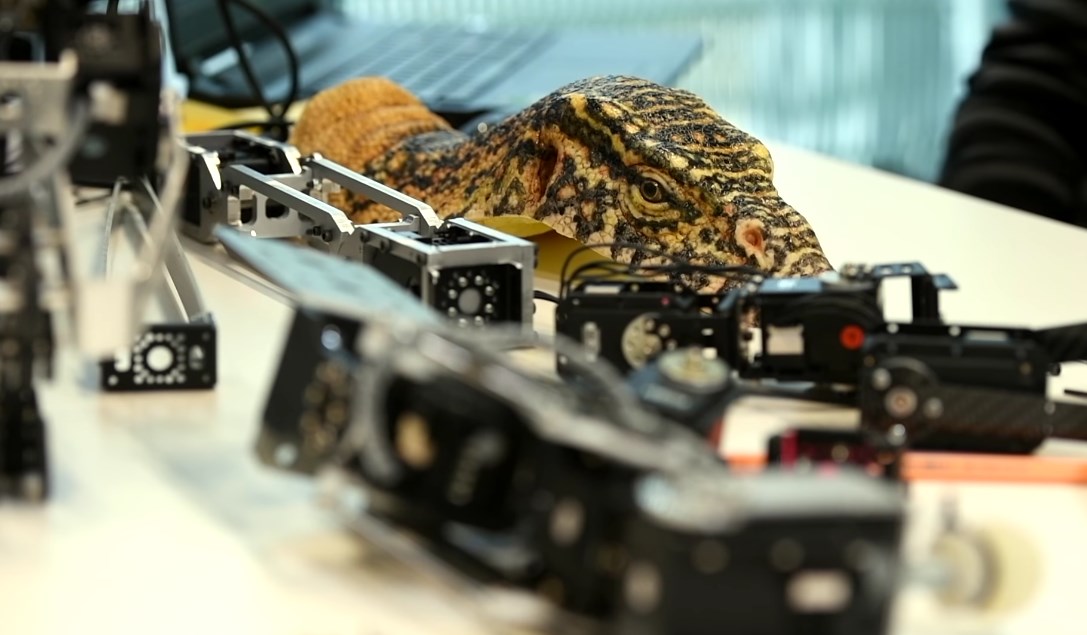
In an age where technology and nature intertwine more than ever before, a groundbreaking project is capturing the imagination of wildlife enthusiasts and researchers alike. Picture this: tiny robots, designed to mimic the crawling, swimming, and foraging patterns of actual reptiles, designed to seamlessly blend into their environments and observe animal behavior without interference. Thanks to an ingenious collaboration between scientists and filmmakers, the series “Spy in the Wild” showcases how innovation can offer us a front-row seat to the lives of crocodiles and monitor lizards. Let’s dive deeper into this fascinating intersection of robotics and natural science.
The Need for Stealth in Wildlife Observation
The traditional methods of wildlife observation often involve human intervention that can alter animal behavior. Enter the robotic spies. These advanced machines allow filmmakers to observe wildlife in a more authentic setting. The latest installment of “Spy in the Wild,” produced by BBC and PBS, has taken this concept to the next level by deploying lifelike robot replicas of various animals.
- Enhanced Footage: By capturing the natural actions of animals, these robots provide unparalleled footage for documentaries, making it easier for viewers to appreciate the complexities and intricacies of animal life.
- Animal Mimicry: With names like Spy Pup and Spy Baby Monkey, these robots have proven effective in eliciting genuine responses from real animals. They are crafted with a focus on bioinformatics, extracting data from the animal kingdom to refine their designs and operations.
The Role of Bioinspired Robotics
Developed by roboticists at l’École polytechnique fédérale de Lausanne (EPFL) in their Biorob lab, these robots showcase a scientific approach to bioinspiration. One of their standout creations is the Pleurobot, designed to replicate the movement of amphibious creatures through an innovative biomechanics model.
According to Kamilo Melo of the Biorob Lab, the focus is on using biological insights as a foundation for creating these robotic models. “What we like to do is bioinform,” Melo states, emphasizing the synergy between biological study and robotic design. This leads to not only a better understanding of animal locomotion but also advancements in robotics, revealing behaviors intrinsic to species like crocodiles and lizards.
Engaging Stories and Scientific Discovery
An intriguing aspect of “Spy in the Wild” is how it has revitalized storytelling in nature documentaries. By documenting the emotional bonds and everyday behaviors of animals without the disruption of human presence, audiences can witness behavior that was previously difficult to capture. The collective narrative woven around these robots provides a bridge between the viewers and the wild, fostering a deeper understanding and appreciation of these creatures.
The emotional impact is further amplified by instances such as monkeys mourning the loss of a Spy Baby Monkey robot, which garnered widespread attention. Such poignant moments not only highlight the intelligence of animals but also emphasize the potential of robotic technology to capture unique interactions that might otherwise go unnoticed.
Future Implications for Robotics and Conservation
The implications of these advancements stretch beyond entertainment; they have the potential to significantly impact conservation efforts. With tools that provide an unobtrusive means for studying behavior and habitats, researchers can gather vital information that can inform conservation strategies.
At fxis.ai, we believe that such advancements are crucial for the future of AI, as they enable more comprehensive and effective solutions. Our team is continually exploring new methodologies to push the envelope in artificial intelligence, ensuring that our clients benefit from the latest technological innovations.
Conclusion: A New Era of Nature Observation
The integration of robotics into wildlife documentaries marks a significant step forward in how we explore and understand the natural world. With projects like “Spy in the Wild,” there’s a promise not only of captivating narratives but also of robust scientific inquiry. As technology continues to evolve, there’s no telling what new stories we will uncover and share with the world. For more insights, updates, or to collaborate on AI development projects, stay connected with fxis.ai.