
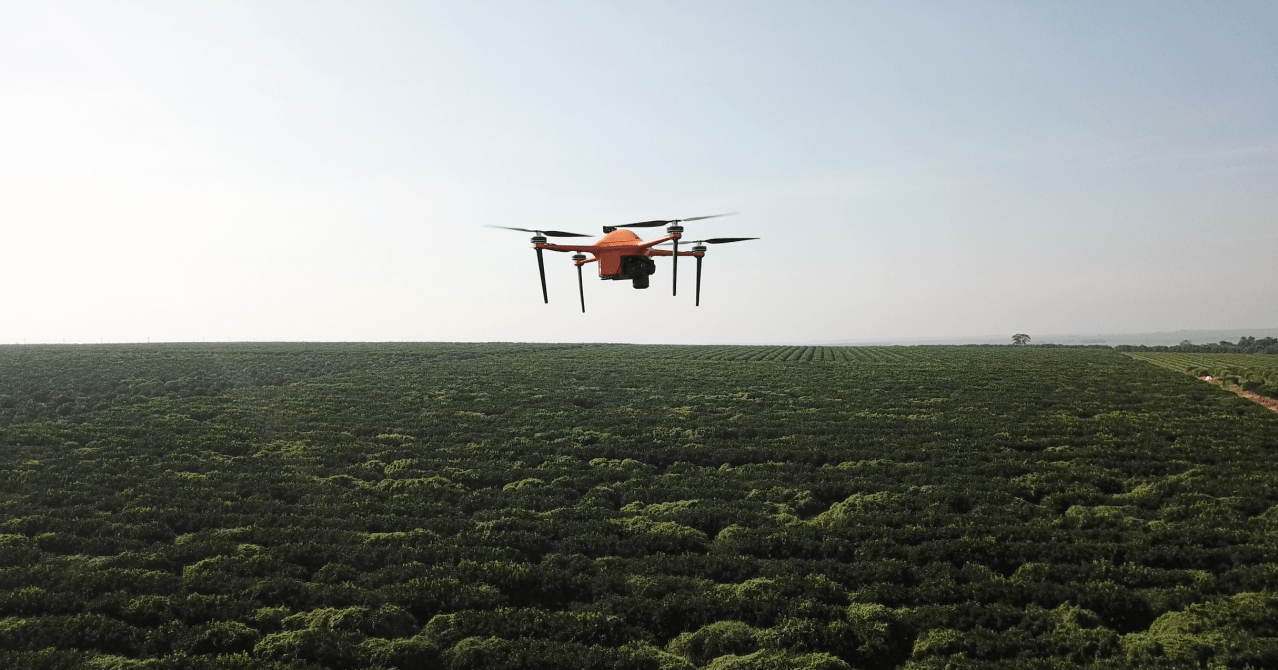
The European Union is stepping into an era of standardized drone regulation that promises to transform how drone operations are conducted across its member states. Published by the European Union Aviation Safety Agency (EASA), these new regulations are designed to create a unified framework for drone operators, enhancing safety, compliance, and operational efficiency. But what does this mean for drone enthusiasts and businesses looking to soar in the skies? Let’s dive into the details.
The Vision Behind Unified Drone Rules
Before this milestone, drone operators faced a patchwork of regulations that varied widely from one country to another. The new EU regulations aim to remove these hurdles, enabling a more seamless flying experience across borders. After all, who wants to spend valuable time understanding different drone laws while trying to enjoy a cross-country trip or set up a business that incorporates drone technology?
EASA recognizes the need for clear, coherent guidelines: “Once drone operators have received an authorization in the state of registration, they are allowed to freely circulate in the European Union.” This clarity is vital for anyone operating drones for either personal enjoyment or commercial gain.
Key Takeaways from the New Regulations
While the regulations officially come into force shortly, member states have a year to comply with their guidelines. Here’s what operators should expect:
- Mandatory Registration: From June 2020, most drone operators will be required to register before taking flight. This requirement ensures accountability while enhancing safety measures.
- Three Operational Categories: The rules categorize drones into three groups: ‘Open’ for low-risk devices under 25kg, ‘Specific’ for drones requiring authorization, and ‘Certified’ for the highest-risk operations like delivery and passenger drones.
- Privacy Considerations: Drones equipped with sensors capable of capturing personal data must have registered operators. This applies mostly to commercial drones, leaving toy drones with fewer restrictions.
Balancing Freedom with Security
While the regulations promote freedom and innovation in the drone sector, they also focus on security. The registration requirement and the requirement for new drones to be individually identifiable enhance traceability. This is a key step towards preventing incidents similar to the disruptions caused by unauthorized drone sightings at airports in recent years.
Patrick Ky, EASA’s executive director, articulated a vision of safer skies: “Common rules will help foster investment, innovation, and growth in this promising sector.” It’s an optimistic future, yet bound by the need for community safety and compliance.
A Step Towards Innovation
The EU’s comprehensive regulations make it clear that they are not just aiming to enforce compliance but also to stimulate growth and investment within the industry. By creating a unified set of standards, the EU is poised to lead the global dialogue on drone technology and its applications, paving the way for innovations like package delivery systems, aerial surveying, and more.
This harmonization ensures that companies can innovate without being shackled by differing national guidelines. Furthermore, it allows start-ups and established companies alike to make strategic decisions without the fear of running into legal trouble as they scale across borders.
Conclusion: What Lies Ahead?
As the drone industry anticipates these upcoming changes, stakeholders are likely feeling a mix of excitement and cautious optimism. The EU’s move towards a unified framework can only strengthen the sector as it evolves. The dawn of common drone regulations fosters a fertile environment for new ideas, initiatives, and technologies that prioritize safety and innovation.
In this new era, both recreational users and commercial operators will benefit from a system that promotes responsibility while allowing for creative possibilities. For more insights, updates, or to collaborate on AI development projects, stay connected with fxis.ai.
At fxis.ai, we believe that such advancements are crucial for the future of AI, as they enable more comprehensive and effective solutions. Our team is continually exploring new methodologies to push the envelope in artificial intelligence, ensuring that our clients benefit from the latest technological innovations.