
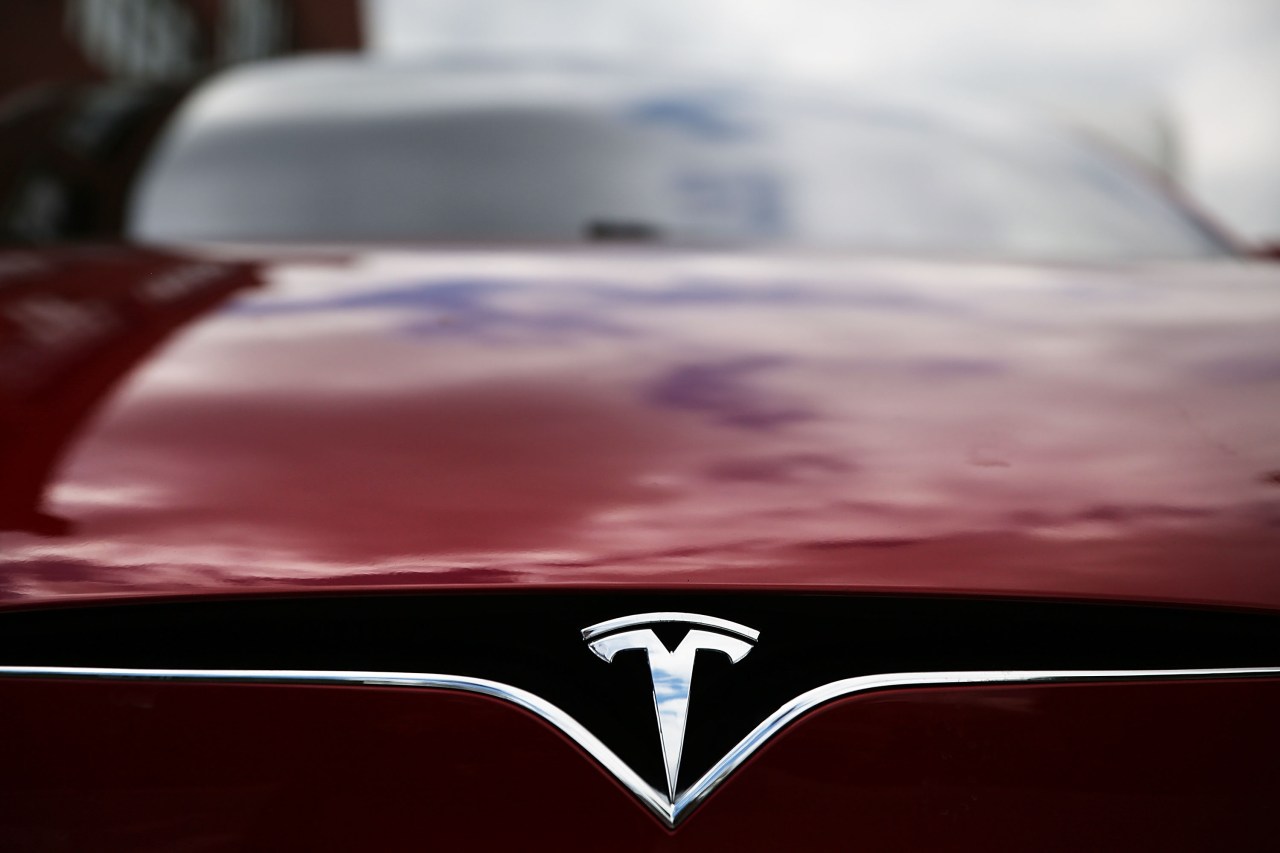
The automotive landscape is undergoing a seismic shift thanks to autonomous driving technologies. Tesla, a frontrunner in this innovation race, has recently found itself under the federal microscope. Following tragic incidents where the Autopilot feature was engaged, the U.S. Senate Committee on Commerce, Science and Transportation has summoned Tesla’s CEO, Elon Musk, to provide clarity on the safety and education surrounding this groundbreaking technology. Let’s dig deeper into the implications of this inquiry, how Tesla addresses concerns, and the potential future of self-driving vehicles.
The Senate’s Call to Action
Initiated by the committee’s chair, Sen. John Thune, the letter to Musk reflects growing apprehensions about driver safety with Tesla’s Autopilot feature. The inquiry is largely driven by a fatal crash in Florida wherein Autopilot was engaged, prompting serious questions about how much Tesla knows about the user experience and the technology itself. Furthermore, another incident in Pennsylvania highlighted the challenges drivers face in understanding when Autopilot is activated or not.
Regulatory Oversight and Public Trust
The safety of autonomous features is a pressing issue, not just for Tesla but for the automobile industry at large. The National Highway Traffic Safety Administration (NHTSA) and the National Transportation Safety Board (NTSB) have also launched investigations to understand the role of Autopilot in these incidents. The risks of premature regulation are significant; while technological advancements promise safer roads, the debate about liability remains fraught with complexity.
Understanding Liability
- Consumer Reports’ Intervention: Prompting Tesla to disable the hands-free mode highlights the mounting pressure for enhanced safety precautions before fully embracing such advanced technology.
- Legal Perspectives: Experts like Gail Gottehrer emphasize that the line between innovation and accountability is thin and complex. Questions about whether companies should notify users more actively about potential misuses remain unresolved.
- Public Perception: The general public’s comfort with using beta technology in real-world situations is a challenge. How do drivers weigh the benefits against the potential risks? A balance is yet to be struck.
Advancing Technology vs. Public Safety
As companies like Tesla forge ahead with groundbreaking technology, they face a dual challenge: to innovate rapidly and to ensure the highest safety standards. Musk’s public assurance that Tesla extensively educates its users opens an essential dialogue about the responsibilities of tech companies. Are the existing educational tools sufficient, or do they require enhancement to better convey the limitations and nuances of Autopilot?
Transparency and Engagement
- Education Initiatives: What steps could Tesla take to make its communications more comprehensive? The focus could shift towards increasing accessible tutorials and engaging directly with consumers.
- Real-Time Data Feedback: Could Tesla implement feedback mechanisms to gauge driver understanding and usage of Autopilot in real time? Such initiatives could strengthen trust and promote safety.
- Collaboration with Regulators: Engaging proactively with regulatory bodies could result in clearer guidelines benefitting both the company and the end-user.
The Road Ahead
The tension between rapid technological advancement and regulatory caution is part of a broader narrative enveloping the automotive industry. Each inquiry or accident compels both manufacturers and regulators to enhance the safety frameworks surrounding autonomous technologies. As a society, we must explore how to balance enthusiasm for innovation with essential protective measures for public safety.
Conclusion
The Senate inquiry reflects a significant moment for Tesla and the entire autonomous driving sector. The outcome of this investigation could shape policies moving forward and establish national standards regarding the operation of self-driving technologies. It’s a reminder that while the future of driving offers incredible potential, the road to it must navigate the complexities of responsibility and safety.
At fxis.ai, we believe that such advancements are crucial for the future of AI, as they enable more comprehensive and effective solutions. Our team is continually exploring new methodologies to push the envelope in artificial intelligence, ensuring that our clients benefit from the latest technological innovations. For more insights, updates, or to collaborate on AI development projects, stay connected with fxis.ai.