
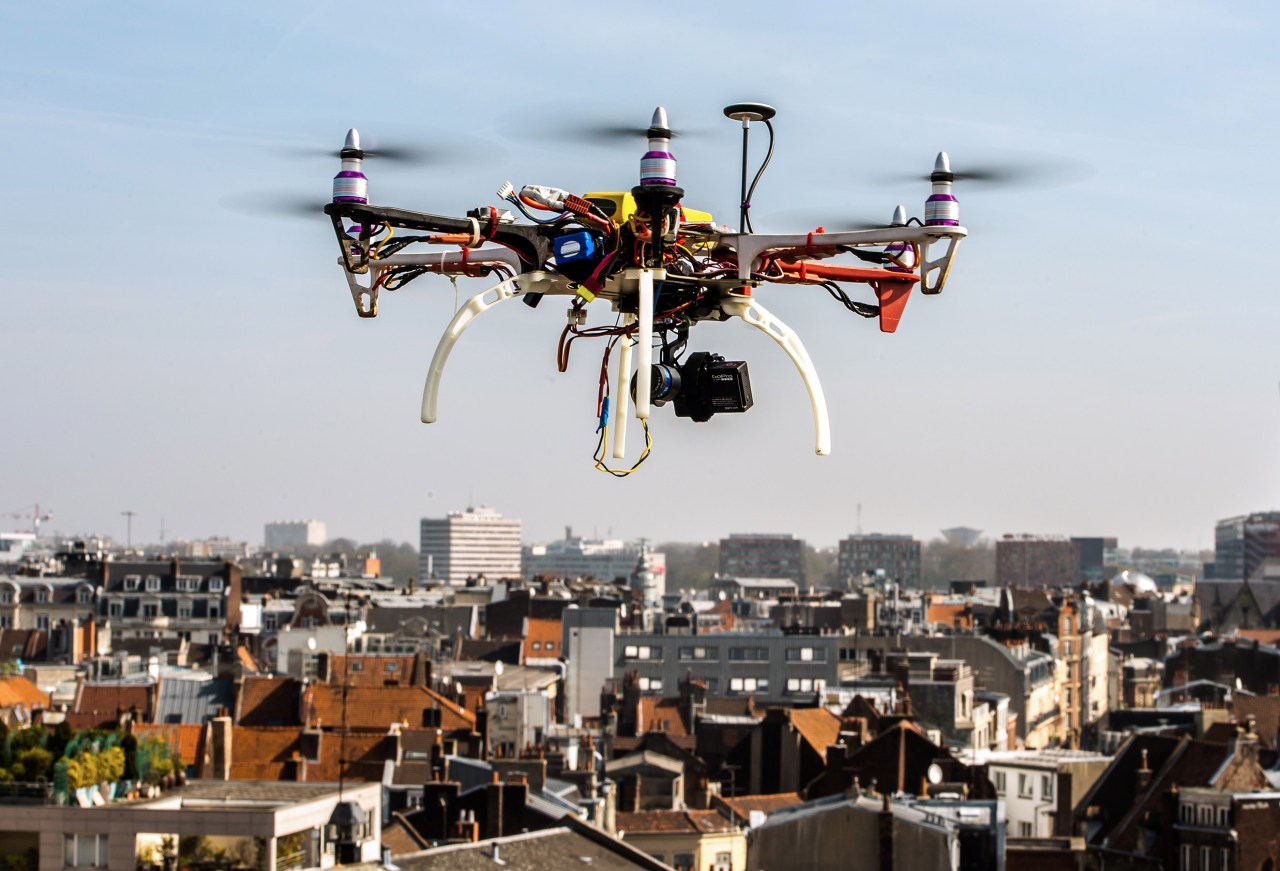
As the skies become increasingly crowded with unmanned aerial vehicles (UAVs), we must address a significant threat posed by these flying machines—drone strikes on airplanes. While the aviation industry has long been vigilant about bird strikes and the rigorous testing that accompanies them, the necessity for similar regulations surrounding drone collisions is swiftly coming to the forefront. This blog explores the fascinating research being conducted at Fraunhofer EMI in Germany, where innovative testing methods are developed to mitigate this emerging risk.
The Comparison: Drones vs. Birds
Bird strikes are a well-documented danger in aviation. Aircraft are specifically designed and tested to withstand collisions with frozen poultry, simulating the impact of a bird strike on their structure. However, drones differ significantly from birds in terms of weight, aerodynamics, and material composition. As Sebastian Schopferer from Fraunhofer EMI noted, “From a mechanical point of view, drones behave differently to birds and also weigh considerably more.” The ramifications of a drone collision are thus fundamentally different and potentially more damaging.
- Mass and Impact: Drones often contain heavy batteries that can represent a substantial part of their mass, making collisions much more severe than with smaller, lighter birds.
- Material Differences: Unlike birds, which are composed mainly of organic material, drones are built with metals and plastics, leading to different impact behaviors.
The Innovative Testing Approach
To address these risks, the Fraunhofer team has pioneered a novel testing method that involves launching drone components—specifically batteries and engines—out of air cannons at high velocities into aluminum plates. This process aims to measure the damage inflicted by drone strikes, comparing results to traditional bird strike testing.
- High-Speed Impact: Conducting tests at speeds ranging from 250 to 570 miles per hour, the researchers found that the aluminum plates exhibited “substantial deformation” and the drones were completely decimated upon impact.
- Need for Standardization: The team has also focused on determining the necessary threshold speeds and material types to standardize testing procedures in the future, emphasizing efficiency and cost-effectiveness.
Developing Simulations for Future Preparedness
In striving for further innovation, the researchers are working on a setup that will enable them to accelerate and decelerate larger UAVs. The ultimate goal? Establish a reliable framework for future testing protocols that not only saves time and resources but also enhances safety standards across the aviation sector.
In addition, by developing simulated environments, engineers might analyze and predict outcomes of drone strikes without the need for costly destructive testing. This could significantly contribute to a more streamlined development process for new aircraft and UAV technologies.
Conclusion: Prioritizing Safety in Our Airspace
The rise of drone usage presents both innovative opportunities and new challenges for the aviation industry. With ongoing research like that at Fraunhofer EMI, there’s hope for establishing robust testing methods that can safeguard our skies against these emerging threats. The establishment of such preparatory protocols is not simply a matter of industry regulation but a necessary step in ensuring that all airspace users can operate safely and efficiently.
For more insights, updates, or to collaborate on AI development projects, stay connected with fxis.ai.
At fxis.ai, we believe that such advancements are crucial for the future of AI, as they enable more comprehensive and effective solutions. Our team is continually exploring new methodologies to push the envelope in artificial intelligence, ensuring that our clients benefit from the latest technological innovations.