
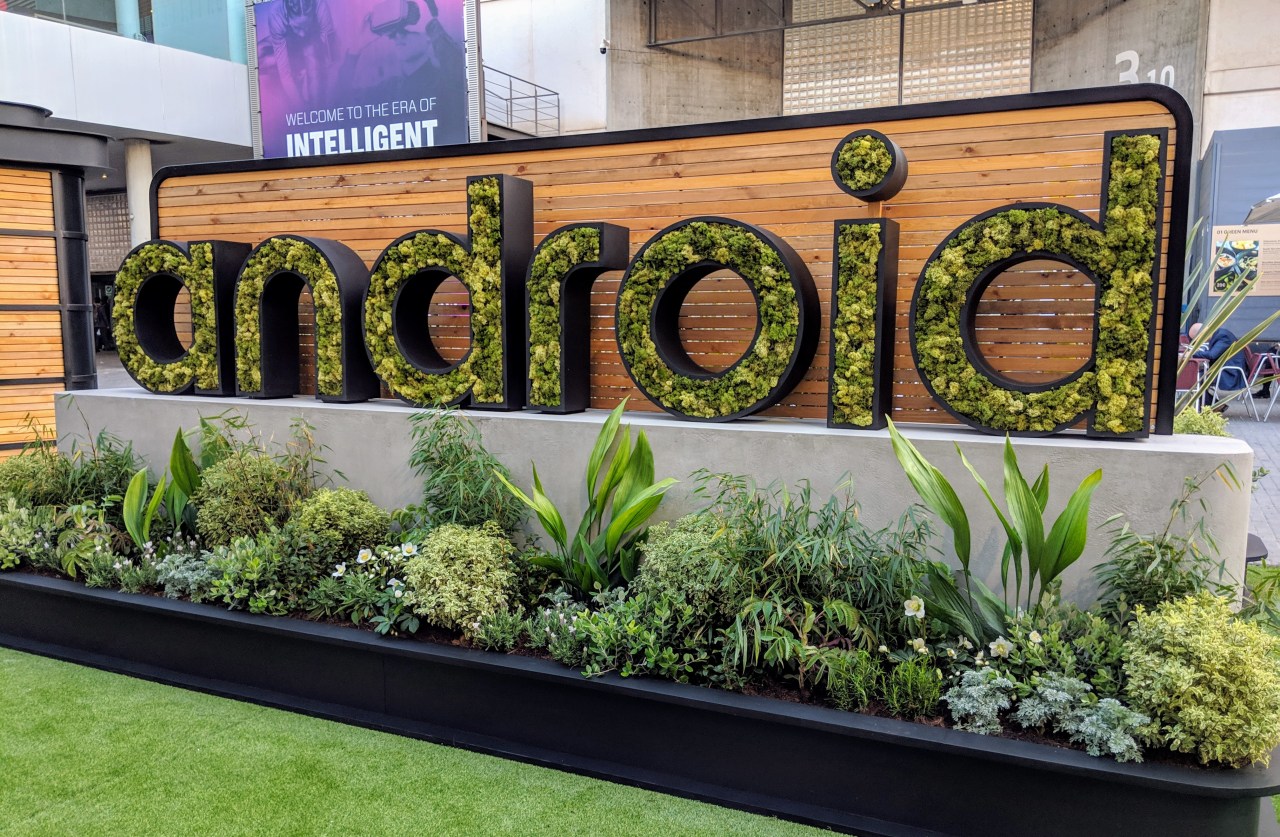
At the Mobile World Congress (MWC) in Barcelona, Google made headlines with its latest advancements for the Google Assistant, emphasizing support for emerging technologies and increasing access to users across the globe. This is a significant step for the tech giant, acknowledging the diverse user base and the unique challenges they face when engaging with technology.
Empowering the Underserved with KaiOS
One of the most noteworthy announcements came with the launch of Google Assistant on KaiOS—a lightweight operating system designed for low-end feature phones. This innovative platform, which was initially developed from the remnants of Mozilla’s FirefoxOS, targets a demographic typically overlooked by more robust operating systems. While these devices may lack the high-spec capabilities of smartphones, they provide essential connectivity to many users in regions such as India, Indonesia, Mexico, and Brazil.
- Voice-Driven Accessibility: Google’s introduction of voice typing on KaiOS will allow users to engage with their devices in a more natural manner. For those users who find typing cumbersome, voice commands offer a seamless alternative.
- Bridging the Technology Gap: Google recognizes that for many first-time users in emerging markets, voice is the most intuitive method of interaction. With over sevenfold growth in Assistant users from these regions, it’s clear that removing technological barriers has unlocked significant opportunities for engagement.
Enhancing Multilingual Capabilities
Another exciting development was the expansion of bilingual support in Google Assistant, which now accommodates numerous languages beyond the familiar English and Spanish duo. The addition of Korean, Hindi, Swedish, Norwegian, Danish, and Dutch makes the assistant more versatile and user-friendly. Additionally, it now includes eight primary Indic languages such as Marathi, Bengali, Tamil, Telugu, Gujarati, Kannada, Malayalam, and Urdu.
This improvement disproportionately benefits users in multilingual societies, permitting them to transition between languages fluidly without feeling constrained by linguistic barriers. Such enhancements clearly illustrate Google’s commitment to inclusivity in technology.
Actions Integration and New Features
To augment the user experience further, Google also introduced its Actions feature across Android Go and KaiOS, akin to Amazon’s skills. Developers can now build actions in 19 languages for 29 locales, creating a rich environment for third-party innovations and applications.
- Travel Made Simpler: Users can check in for flights with airlines like Lufthansa and Swiss Air directly through voice commands.
- Personalized Digital Wellbeing: The Assistant can manage settings like wind-down times and ‘do not disturb’ mode.
- Multiple Action Execution: For users communicating in German or French, engaging the Assistant to perform multiple tasks in one query is a newfound capability.
Conclusion: A Forward-Thinking Vision
The developments presented by Google make it unmistakably clear that the company is focused on broadening access to its Assistant through modern technologies. With initiatives like integrating Google Assistant into KaiOS, enhancing multilingual support, and implementing innovative features, Google is not just improving its services but revolutionizing how individuals engage with their devices. This vision embodies a forward-thinking approach that caters to the needs of diverse user bases, ensuring that no one is left behind in the technological revolution.
At fxis.ai, we believe that such advancements are crucial for the future of AI, as they enable more comprehensive and effective solutions. Our team is continually exploring new methodologies to push the envelope in artificial intelligence, ensuring that our clients benefit from the latest technological innovations. For more insights, updates, or to collaborate on AI development projects, stay connected with fxis.ai.