
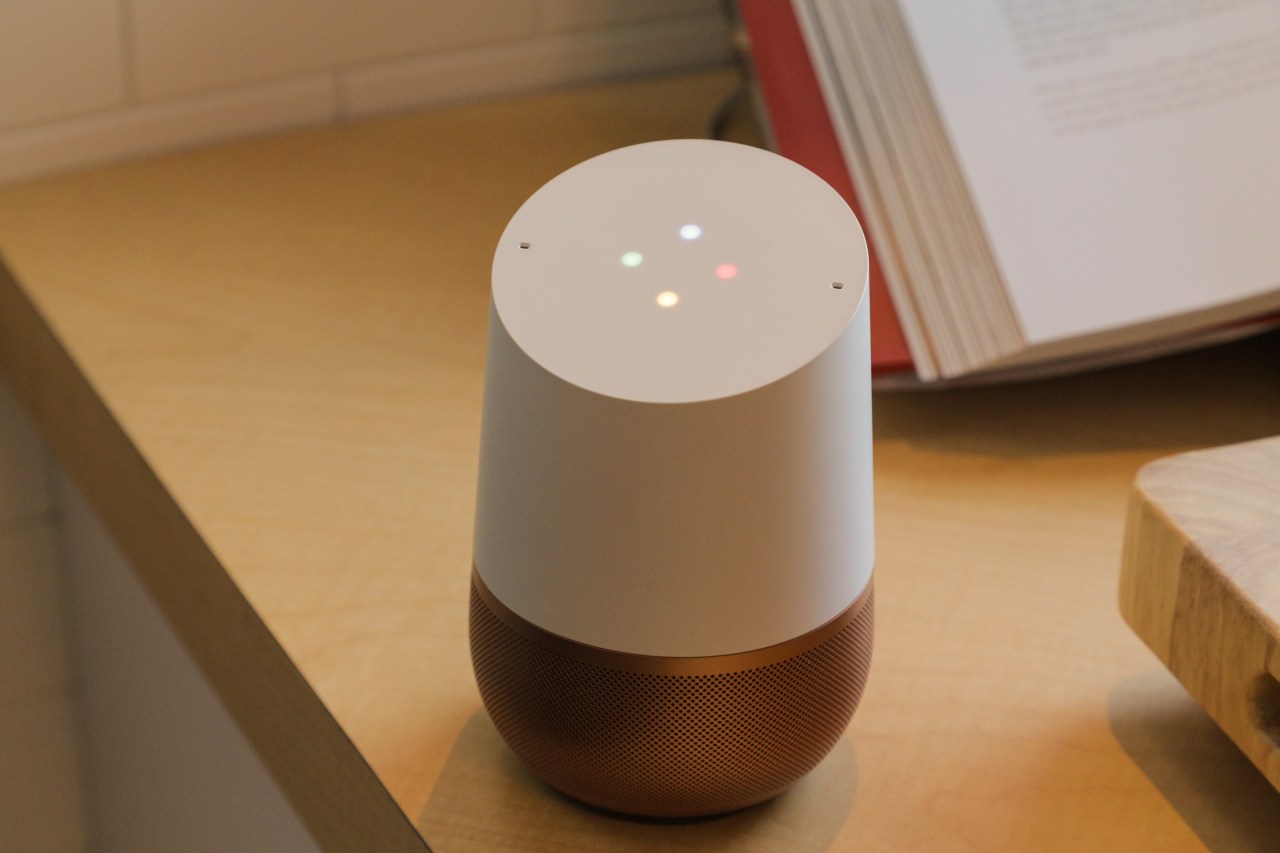
As technology continues to evolve at a rapid pace, we find ourselves surrounded by voice-activated devices designed to make our lives easier. Google Home, a sophisticated entrant to the voice assistant scene, is Google’s response to the Amazon Echo family, which has already gained considerable traction in many households. Priced at $129 and slated for release on November 4, Google Home brings a wealth of fascinating features to the table. Let’s dive into what sets it apart and how it redefines our interaction with AI technology.
Google Assistant: The Brain Behind Google Home
At the core of Google Home lies Google Assistant—a reimagined version of Google’s voice-activated search and Google Now that enhances the conversational experience. While familiar commands like “OK Google” will yield similar responses to those we receive on our smartphones, the Assistant’s new capabilities shine when it comes to more complex tasks. For instance, users can effortlessly book reservations with OpenTable using just their voice. This advancement introduces a level of convenience that complements the growing trend of hands-free technology.
Integration with Music and Smart Devices
One of the standout features of Google Home is its seamless integration with various music apps such as Spotify and Pandora. This allows users to enjoy their favorite tunes without lifting a finger. During our hands-on experience, Google Home played specific genres upon request, showcasing its adeptness in understanding user preferences.
- Smart Home Compatibility: Google Home is poised for compatibility with smart home devices, including Philips Hue lights and the Nest thermostat. This paves the way for a more cohesive smart home experience. Imagine controlling lighting, heating, and your entertainment system all with a simple vocal command!
Impressive Voice Recognition and Design
Hardware-wise, Google Home stands out with its stylish aesthetic and solid build quality. Despite having only two microphones—compared to Amazon Echo’s seven—Google Home performs remarkably well in noisy environments. It listens attentively even from a distance, ensuring that commands are executed accurately. Furthermore, its unique design comes with an interchangeable cradle that allows for customization, essentially giving consumers the chance to personalize their devices.
The Conversation Conundrum
Despite the impressive capabilities of Google Assistant, one stumbling block persists: the necessity to prefix every question with “OK Google.” While this feature helps initiate the interaction, the repetitive nature can turn conversations into somewhat of a chore, detracting from the overall fluidity of dialogue. For instance:
“OK Google. Who is the president of the United States?”
“Barack Obama is the president of the United States.”
“OK Google. How old is he?”
“Barack Obama is 55 years old.”
Such a pattern may disrupt the natural flow we often expect in conversations, though it serves the purpose of activating the device.
A Competitive Edge Through Third-Party Integration
As Google prepares to open its Assistant platform to third-party developers, the potential for Google Home to achieve feature parity with its competitors is significant. This move toward greater extensibility will likely attract a plethora of applications and services that can leverage the Google Assistant’s functionality. With companies vying for dominance in AI services, Google has demonstrated, through its advancements, that it can hold its ground against the competition.
Conclusion: Is Google Home Worth the Investment?
With its robust features, effective voice recognition, and solid design, Google Home represents an appealing option for consumers seeking an AI-based helper for their homes. As it rolls out on November 4, aspiring users have much to look forward to, particularly the inclination for continuous improvements through third-party developments. As technology intertwines more deeply with our daily lives, devices like Google Home play an essential role in shaping the future of personal assistance.
At fxis.ai, we believe that such advancements are crucial for the future of AI, as they enable more comprehensive and effective solutions. Our team is continually exploring new methodologies to push the envelope in artificial intelligence, ensuring that our clients benefit from the latest technological innovations.
For more insights, updates, or to collaborate on AI development projects, stay connected with fxis.ai.