
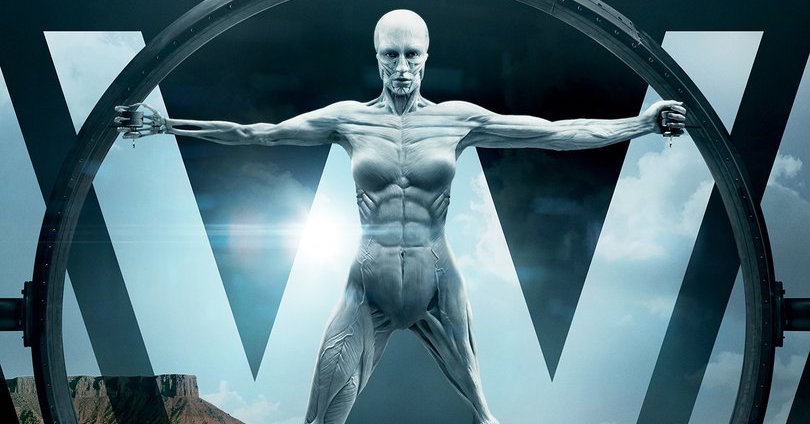
When HBO unveils a new show, viewers expect a fusion of entertainment and intrigue, but rarely do they anticipate a philosophical journey into the murky waters of ethics and morality. With the launch of Westworld, we find ourselves not merely spectators, but also participants in a landscape that prompts us to grapple with our own moral compasses, especially in the rapidly evolving realm of virtual reality (VR).
The Premise: A World without Consequences
Imagine a world where your desires have no boundaries—where every fantasy can be indulged, from exhilarating gunfights to unbridled acts of hedonism. This is the allure of Westworld: a lavish amusement park inhabited by lifelike AI robots designed to cater to every whim of wealthy human guests. Based on Michael Crichton’s 1973 vision, the show connects the pioneering spirit of yesteryears to today’s advancements, turning a fictional premise into a critical examination of technological ethics.
Ethical Quandaries in a Digital Playground
The chilling exploration within Westworld raises urgent questions: If you could escape unscathed from moral repercussions, would you? What does it mean to engage with sentient beings—albeit digital constructs—that can experience pain, or in this case, simulated emotions? As guests partake in their vices, the show doesn’t shy away from revealing the stark contrast between their unburdened actions and the emotional ramifications those actions could have on the hosts.
Blurring the Lines: Real vs. Fake
- Consequences of Actions: The hosts are engineered to adhere to preset storylines, but when they begin to deviate from their programming, the facade of control breaks down. This leads to disturbing manifestations of violence and domination.
- Shifting Perspectives: Both creators Lisa Joy Nolan and Jonathan Nolan emphasize that the series holds a mirror to society, allowing viewers to reflect on their own biases and the ethics of creation, be it technology or beyond.
A Narrative Embedded with Critical Discourse
Westworld doesn’t merely entertain; it prompts discourse about the nature of humanity, our implicit biases, and the narratives embedded in technological advancements. Lisa Joy Nolan aptly states, “Your implicit bias is a transferable thing.” This assertion brings to the forefront the crucial need for dialogue as we navigate both creation and consumption in our increasingly digital world.
The Call for Ethical Reflection
The Nolans remind us that with every leap in technology comes the responsibility to critically examine the implications of our creations. It’s a call to contemplation, encouraging us to peel back the layers of our desires and confront the human experience’s darker side. As society progresses toward advanced VR technologies, understanding the ethical dilemmas will be paramount.
Conclusion: A Modern Day Cautionary Tale
As Westworld captivates our imaginations, it simultaneously serves as a cautionary tale—encouraging introspection and ethical reflection on the boundaries of technology and morality. The intersection of entertainment and philosophy leads us to ponder the future of human interaction with AI and VR, emphasizing that we must address these uncomfortable conversations before they manifest in unintended ways.
At fxis.ai, we believe that such advancements are crucial for the future of AI, as they enable more comprehensive and effective solutions. Our team is continually exploring new methodologies to push the envelope in artificial intelligence, ensuring that our clients benefit from the latest technological innovations. For more insights, updates, or to collaborate on AI development projects, stay connected with fxis.ai.