
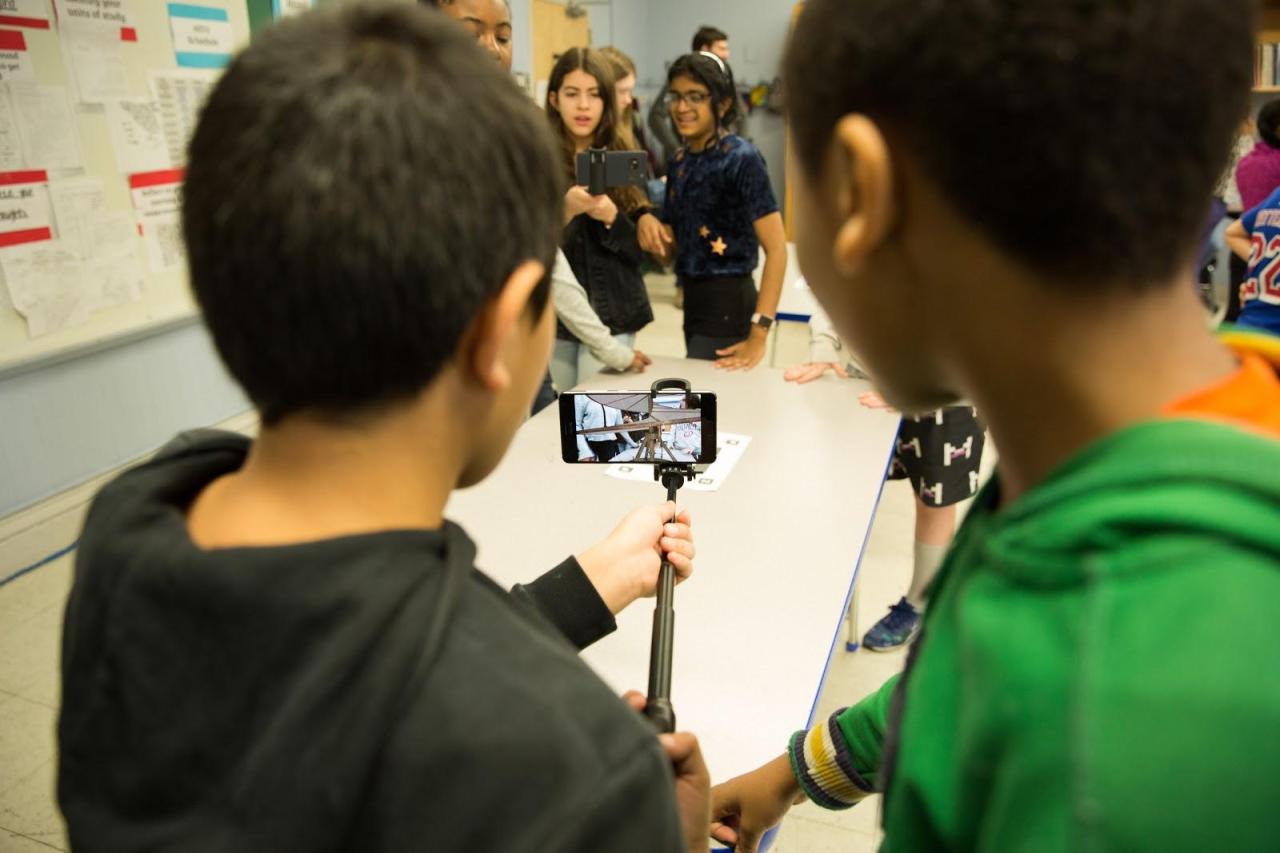
In a world driven by digital innovation, education is undergoing a dramatic transformation. Google has taken a giant leap forward in this realm with the introduction of augmented reality (AR) features in its Expeditions app, enabling immersive learning experiences that stretch beyond the traditional classroom limitations. Imagine bringing life-sized human skeletons into your kitchen or marveling at the intricate inventions of Leonardo Da Vinci—all from the comfort of your own home. As we delve into the development and implications of this technology, the future of educational experiences appears more exciting than ever!
Unveiling the Augmented Reality Experience
The latest update to the Google Expeditions app marks a significant milestone in applying AR technology to education. Having previously introduced its AR Pioneer Program in classrooms, Google has now broadened access to include everyone. With over 100 newly designed AR tours added to the existing library of 800 VR experiences, the possibilities for interactive learning are nearly limitless.
Unlocking Interactive Learning
What sets the AR features apart is the interactivity they offer. When students place a virtual skeleton on their dining room table, they don’t just observe; they can manipulate and engage with the model to deepen their understanding of anatomy. Likewise, exploring Da Vinci’s inventions goes beyond a textbook; learners can interact with the designs, gaining insights into how these ideas revolutionized the world. This three-dimensional interaction encourages curiosity, enhances retention, and makes learning fun!
Getting Started with Expeditions
To embark on these exciting journeys, participants will need a compatible device, specifically an ARCore or ARKit-compatible smartphone. For those interested in obtaining additional learning resources, an ARVR educator bundle is now available at Best Buy, paving the way for educators to integrate this technology into their curricula.
- Fostering engagement through interactive educational experiences.
- Encouraging exploratory learning by bridging the gap between theory and practical knowledge.
- Making complex subjects like anatomy or engineering accessible and enjoyable for learners of all ages.
Expanding Horizons Beyond the Classroom
The implications of AR education extend far beyond traditional classroom settings. With the ability to access high-quality educational content remotely, students from diverse backgrounds can immerse themselves in experiences that were previously reserved for elite institutions. This democratization of knowledge not only inspires young minds but also promotes inclusiveness in education.
Conclusion: A New Era of Learning Awaits
As Google’s Expeditions app continues to evolve, it represents a pivotal shift in educational paradigms. Awash with possibilities, this integration of augmented reality promises to make learning an innovative and enjoyable experience for all. As we embrace the power of technology, the only limit is our imagination, allowing us to redefine how we educate and cultivate curiosity in future generations.
At **[fxis.ai](https://fxis.ai/edu)**, we believe that such advancements are crucial for the future of AI, as they enable more comprehensive and effective solutions. Our team is continually exploring new methodologies to push the envelope in artificial intelligence, ensuring that our clients benefit from the latest technological innovations. For more insights, updates, or to collaborate on AI development projects, stay connected with **[fxis.ai](https://fxis.ai/edu)**.