
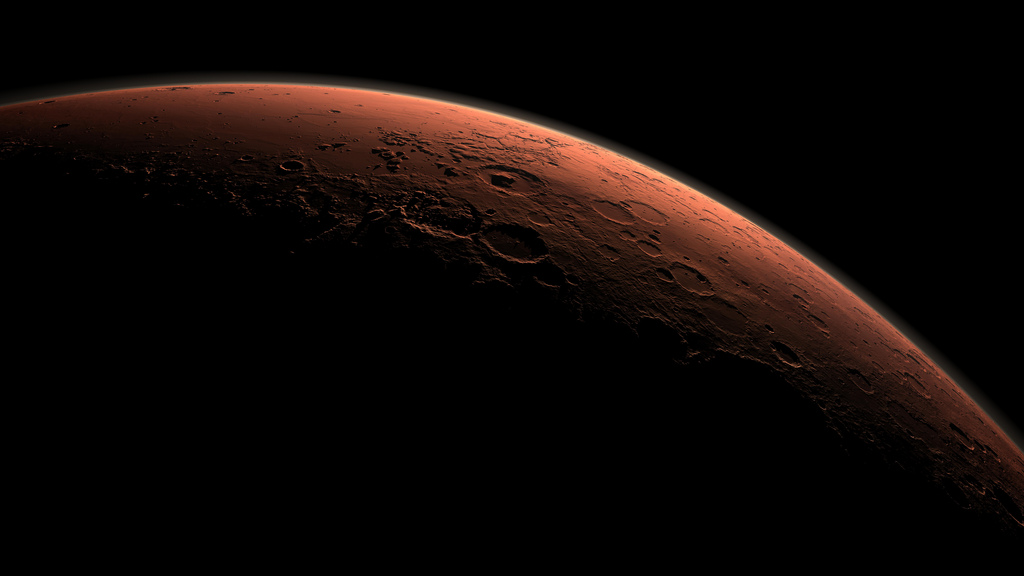
The concept of colonizing distant planets like Mars has long resided within the realm of science fiction. However, as technology evolves, visions once considered fanciful have begun to take shape in the real world. At the forefront of this transformation is SpaceVR, a company that is harnessing the power of virtual reality (VR) and robotics to pave the way for a new era in space exploration. This post delves into the innovative strategies these pioneers are employing and the potential implications for humanity’s off-planet endeavors.
A Glimpse into the Year 2051
Imagine a freezing Martian morning where 30 autonomous robots emerge from their docking bay, ready to tackle the formidable task of mining frozen water. Meanwhile, back on Earth, a team of remote operators associated with Bechtel prepares to link up with these robots through immersive VR systems. This striking scenario illustrates the future envisioned by SpaceVR where remote-controlled machines handle crucial labor, enabling human operators on Earth to manage complex tasks from a safe distance.
The Path to Reality: From Gimmicks to Groundbreaking Technologies
While the demonstrations of workers guiding robots through menial tasks, such as making tacos, might seem like mere publicity stunts, they are undoubtedly a critical part of the learning process. In reality, these quaint robot demonstrations are laying the foundation for an expansive vision put forth by SpaceVR’s founder, Ryan Holmes. He firmly believes that the integration of immersive visuals and remote robotics could redefine humanity’s interaction with space.
Why Robotics Are Key to Space Exploration
Robots offer distinct advantages over sending humans into space. They are considerably cheaper and lighter, making them easier to launch into orbit. As technology improves, the sophistication of these robots enhances too. For instance, companies like Syntouch are working towards advanced sensory technology that could transmit touch sensations, which would elevate the performance of remote-controlled robots significantly. The potential for robots to perform complex tasks such as mining ice on Mars not only amplifies efficiency but also extends the possibilities of scientific discovery.
Ambitious Goals: Pioneering the Interstellar Workforce
Holmes has set an ambitious target of deploying 10 million robotic units by the end of the decade. While this may sound like an unattainable goal, major players in the industry like SpaceX are ramping up their initiatives for Mars missions in the near future. This synergy between SpaceVR’s robotic vision and the actual moves being made towards interplanetary travel paints a promising picture of what’s to come. The reality is that robotics coupled with immersive experiences could revolutionize our approach to tasks ranging from mining to scientific research on extraterrestrial bodies.
Revolutionizing Humans’ Role in Space
As we envision the future of Mars colonization, VR technology will play a crucial role in orchestrating colaboration between humans and robots. Just as the demonstration of robots in San Francisco has familiarized users with robotic maneuvers and controls, future iterations will facilitate more intricate operations on Mars. Enabling human controllers to meticulously execute actions from thousands of miles away ultimately reshapes our engagement with the cosmos, enhancing safety while expanding operational capabilities.
Conclusion: A New Era of Space Exploration Awaits
The bold ambitions of SpaceVR exemplify the potential of robotics and virtual reality in shaping the future of space exploration. As technologies continue to advance, we may soon find ourselves witnessing robots capable of executing complex tasks on alien soils, operated by our own hands from Earth. The collaboration between humans and robots forms the backbone of this new frontier.
At fxis.ai, we believe that such advancements are crucial for the future of AI, as they enable more comprehensive and effective solutions. Our team is continually exploring new methodologies to push the envelope in artificial intelligence, ensuring that our clients benefit from the latest technological innovations.
For more insights, updates, or to collaborate on AI development projects, stay connected with fxis.ai.