
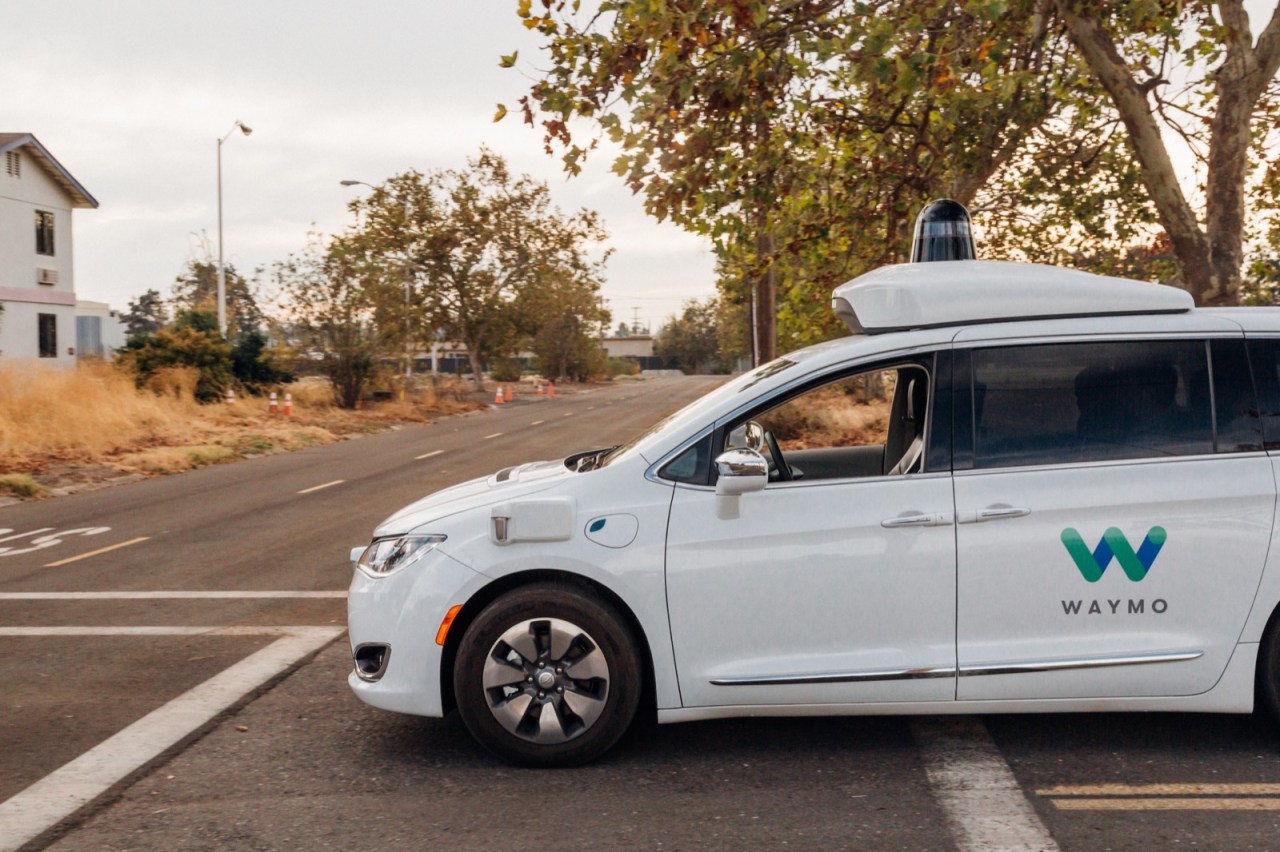
In a bold move to redefine urban mobility, Waymo recently joined forces with Lyft to roll out its self-driving vehicles for passengers within the Phoenix area. This initiative is not merely a tech demonstration but rather a strategic partnership aimed at reshaping how we will experience transportation in the coming years. Let’s dive into how this partnership works, what it means for the industry, and the future of ride-hailing services.
The Partnership Unveiled
Back in May of 2019, when the partnership between Waymo and Lyft was officially announced, it represented an intersection of two pioneering forces in the realm of autonomous transport. The goal? To bring self-driving technology closer to everyday users by integrating it into Lyft’s ride-hailing app.
How It Works
Currently, Waymo has deployed a “handful” of its autonomous vans equipped with safety drivers around designated areas of Phoenix. These vehicles are not available to everyone—only Lyft users whose journeys start and end within specified blocks can take advantage of this offering. Therefore, this service is currently limited to a select group, which is expected as the technology is still being refined and tested.
What Riders Experience
- Choice: When opting for a ride, users will be given the option between a traditional human-driven Lyft vehicle or a Waymo self-driving van.
- Safety First: Although these rides are autonomous, having a safety driver on board ensures that extra precautions are taken.
- Tech in Action: Riders have the unique opportunity to experience cutting-edge technology firsthand, witnessing how it navigates complex urban environments.
The Path Ahead
While the current number of Waymo vehicles on the road is fewer than ten, future expansions are in the pipeline. The expectation is for this number to grow to ten and beyond as the partnership scales. This gradual rollout approach allows the companies to gather valuable data, refine their services, and initiate feedback from participating riders for continuous improvement.
Significance for the Transportation Landscape
This partnership is more than just an isolated event; it signals a shift toward a more integrated, technology-driven future for public and private transportation systems. The combination of Waymo’s advanced self-driving technology with Lyft’s established platform may set the stage for widespread adoption of autonomous vehicles in urban settings. It represents a crucial step in building public trust in self-driving technology, showcasing how such offerings can coexist alongside conventional ride-hailing services.
Future Innovations
As cities evolve to accommodate self-driving vehicles, the partnership promises more than convenience—it hints at a transformative potential. Areas like traffic management, parking optimization, and environmental sustainability stand to benefit as autonomous vehicles become more prevalent, shaping smarter and greener urban landscapes.
Conclusion: Embracing Change
In conclusion, Waymo and Lyft’s collaboration is a clear indication that companies are not merely racing toward technological advancement but are actively reimagining what urban transport can be. With ongoing trials and gradual increases in availability, consumers will soon be deciding how they want to engage with the future of transportation.
At fxis.ai, we believe that such advancements are crucial for the future of AI, as they enable more comprehensive and effective solutions. Our team is continually exploring new methodologies to push the envelope in artificial intelligence, ensuring that our clients benefit from the latest technological innovations.
For more insights, updates, or to collaborate on AI development projects, stay connected with fxis.ai.