
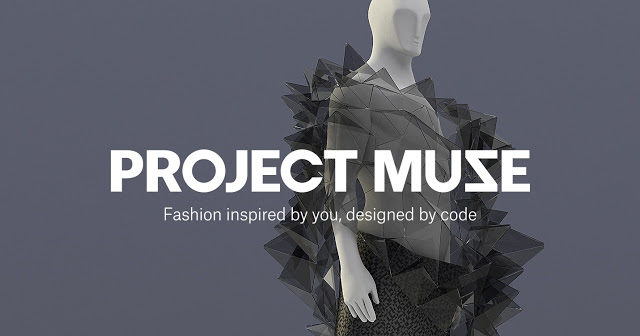
The world of fashion has always been a breeding ground for innovation and creativity, and as artificial intelligence (AI) technology continues to evolve, it competes to make its mark on every sector, including fashion design. Google’s Project Muze, in partnership with European e-commerce giant Zalando, ventured into this intriguing territory in 2016. Although the initial results revealed mixed outcomes, they opened up a broader dialogue on what AI can (and perhaps cannot) contribute to the world of style. Let’s unpack the fascinating journey of Project Muze and what it indicates for the future of fashion innovation.
What is Project Muze?
Project Muze aimed to merge machine learning with fashion design by creating a neural network that could make creative decisions based on user input and available trends. Utilizing Google’s open-source TensorFlow framework, the project sought to interpret aesthetic parameters by analyzing the preferences of over 600 fashion experts, supported by insights from Zalando’s extensive fashion knowledge.
The Creative Process of Muze
The process was rather engaging for users, as it encouraged creative participation through a questionnaire focused on personal tastes in music, art, and mood. This interactive approach served to personalize the fashion output, with the expectation that the AI could derive a sense of style reflective of current trends.
- Input from users: Participants shared their inspirations, allowing the neural network to gather a diverse range of preferences.
- Learning phase: The AI studied correlations between aesthetics and personal preferences, aiming to replicate human-like creativity.
- Output: The final designs were then visualized as virtual garments, which were later translated into tangible clothing for a showcase at Bread & Butter, a prominent fashion event in Berlin.
The Experimental Outcomes and Aesthetic Exploration
As Project Muze’s first creations made their debut, the fashion landscape seemed to pause and ponder. Some pieces were undeniably bizarre. Imagery conjured by the AI included garments that looked as though they had come straight from a futuristic dystopia. With trippy patterns and imaginative materials, pieces like “ugly pajamas wrapped in a vine” or the “pointy shawl resembling an amethyst crystal” had audience members wondering—were these fashion statements or conceptual art?
Can AI Truly Design Fashion?
This leads to a pressing question: Can AI genuinely design clothing that resonates with consumers? The attempted designs from Project Muze, while creative, emphasized a critical gap in the understanding of true wearability. Elements such as clashing textures or impractical structures raised eyebrows instead of excitement. While some creations may serve as intriguing runway pieces, they lacked the functionality that most people seek when selecting everyday attire.
The Human Touch in Fashion Design
Fashion is not solely about aesthetics; it is a reflection of culture, emotion, and personality. The ability to evoke feelings, tell stories, and create an identity through fabric is intricate and profoundly human. From haute couture to streetwear, human designers draw on an expansive reservoir of experiences and instincts—qualities that machines are still mastering.
Looking Ahead: The Role of AI in Fashion
While Project Muze demonstrated the potential of AI in the fashion industry, it also highlighted its limitations. However, it opens the doorway to a new frontier where technology and creativity can merge in innovative ways. AI might not replace fashion designers anytime soon, but the collaboration between technology and human creativity offers tantalizing possibilities:
- AI might assist designers in identifying trends or customer preferences more accurately.
- Using AI-driven analytics, brands could create personalized collections tailored to individual tastes.
- Enhanced fabric technology could emerge, inspired by AI design experiments.
Conclusion: Embracing Creative Collaboration
As we move forward, the conversation should focus not on whether machines will replace fashion designers but how humans and AI can work together to enrich the fashion landscape. The intriguing exploration from Google’s Project Muze serves as not just an experiment in creative processing but as a call to action in embracing new methodologies in fashion design.
At fxis.ai, we believe that such advancements are crucial for the future of AI, as they enable more comprehensive and effective solutions. Our team is continually exploring new methodologies to push the envelope in artificial intelligence, ensuring that our clients benefit from the latest technological innovations.
For more insights, updates, or to collaborate on AI development projects, stay connected with fxis.ai.