
The realm of self-driving vehicles is often perceived as a futuristic domain filled with cutting-edge technology and mind-boggling innovations. In essence, these autonomous marvels harness a medley of automotive engineering, artificial intelligence, and computer vision to navigate our roads. But how can one dive into understanding the intricacies of this advanced field? MIT has cleverly introduced an endearing twist—rubber duckies—to explain the principles behind self-driving cars. In this blog post, we’ll unpack MIT’s unique educational initiative and explore its implications on the future of autonomous vehicle technology.
The Birth of Duckietown
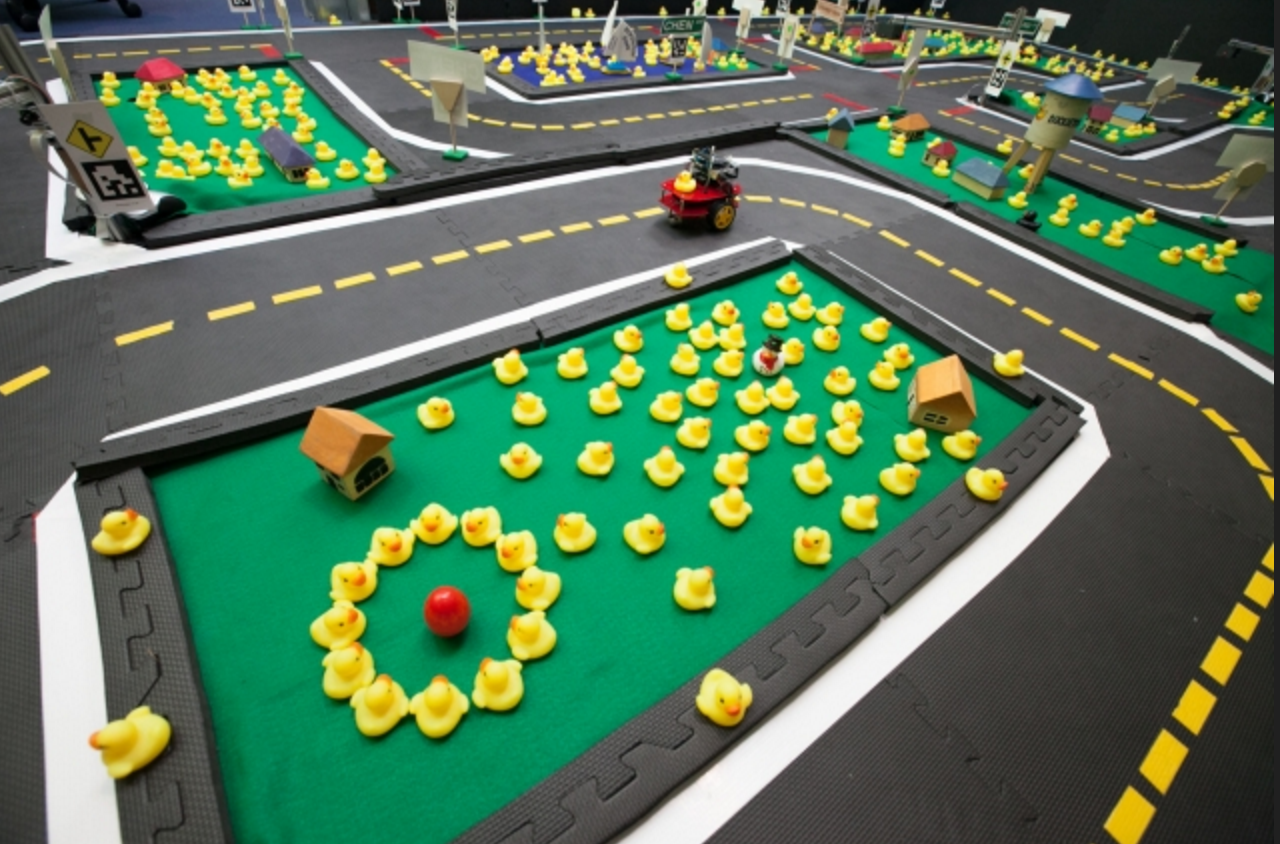
At the forefront of this educational revolution is a project named Duckietown, spearheaded by MIT’s Computer Science and Artificial Intelligence Laboratory (CSAIL). In this imaginative endeavor, students are tasked to create a miniature city where a fleet of rubber duckies operates as autonomous taxis. Each ducky navigates a model environment filled with traffic signs and road markings, using only a single onboard camera to navigate without pre-existing maps.
This engaging setup is far from traditional education methods, effectively eliminating the risks associated with working on full-scale vehicles while fostering creativity and problem-solving skills among students.
Challenges and Engineering Decisions
The students engaged in Duckietown face real engineering dilemmas that mimic challenges encountered in the development of autonomous vehicles. They must weigh the pros and cons of various technological approaches, such as deploying sophisticated algorithms alongside affordable sensors or opting for simpler programming with robust hardware.
- Choosing Algorithms: How intricate should the algorithms be? A more complicated system might offer greater flexibility but could introduce susceptibility to errors.
- Hardware Decisions: Are cheaper components sufficient for reliable performance, or should investment in high-quality hardware be prioritized?
The outcome of these choices serves as a reflection of real-world trade-offs that engineers navigate as they bring autonomous systems to fruition.
A Platform for Collaboration
Duckietown is not simply a creative exercise but serves as a foundational platform for future projects aimed at enhancing the research ecosystem surrounding autonomous vehicles. As explained by Liam Paull, co-leader of the project, this initiative intends to foster a shared language and collaborative environment among researchers and developers. This cooperative spirit is crucial, as it accelerates the progression toward safe and efficient self-driving cars capable of hitting the roads.
Conclusion: The Future is Quack-tastic
By utilizing rubber duckies as a playful yet effective tool, MIT is not only preparing a new generation of engineers for the world of autonomous technology but also encouraging a community-centered approach to development. The Duckietown project demonstrates that learning can be both fun and insightful, opening doors for more meaningful advancements in the field of self-driving vehicles.
As we continue to explore innovative approaches in artificial intelligence and autonomous transportation, we are reminded of the importance of foundational education and collaborative efforts in driving progress forward.
At fxis.ai, we believe that such advancements are crucial for the future of AI, as they enable more comprehensive and effective solutions. Our team is continually exploring new methodologies to push the envelope in artificial intelligence, ensuring that our clients benefit from the latest technological innovations.
For more insights, updates, or to collaborate on AI development projects, stay connected with fxis.ai.