
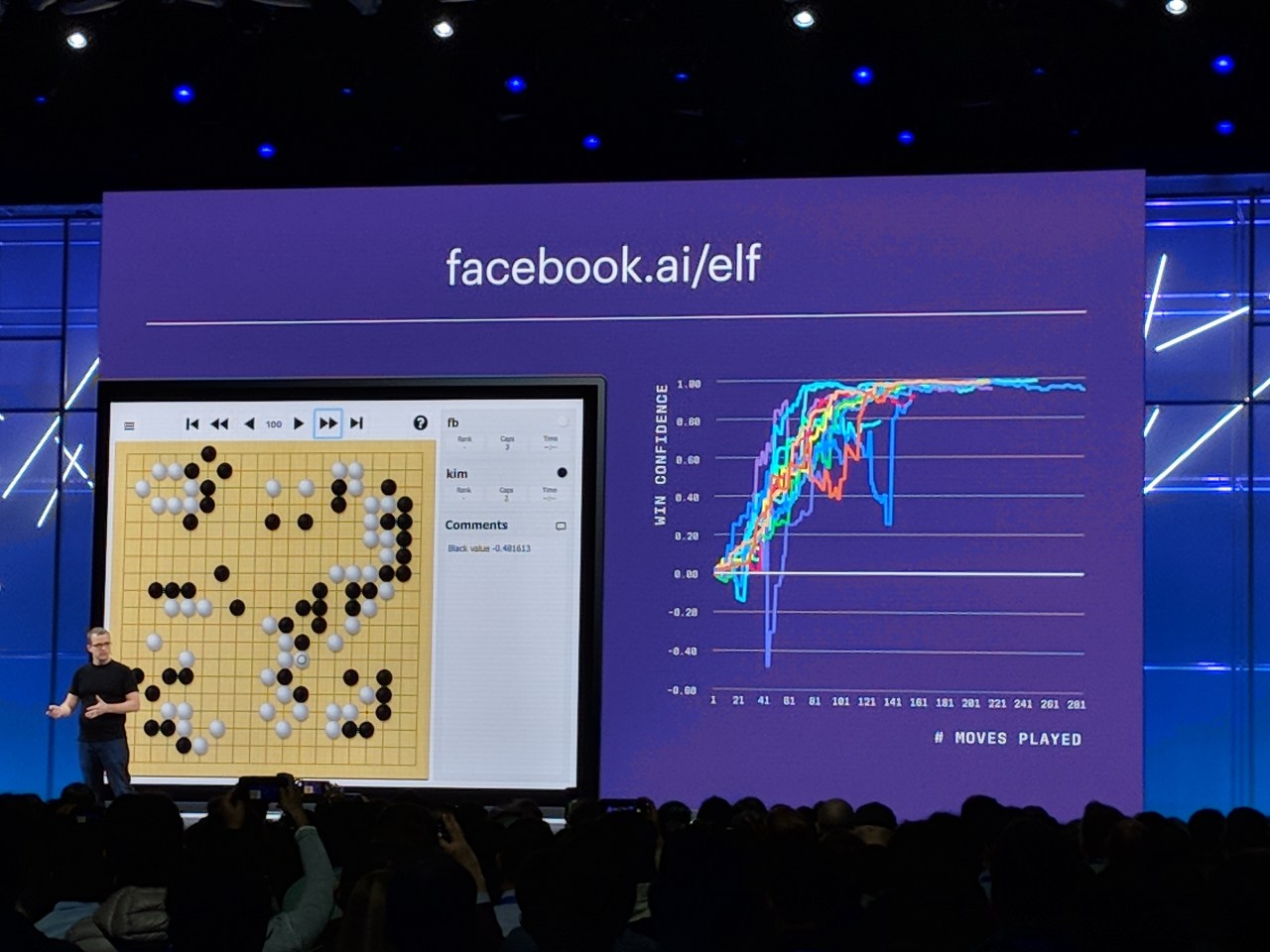
The world of artificial intelligence is evolving at an astounding pace, and one of the most thrilling developments comes from the realm of board games. Since Google’s DeepMind showcased its capabilities with AlphaGo, researchers have increasingly turned their attention to the game of Go. Fast forward to 2018, and Facebook has entered the arena with its own creation, the ELF OpenGo bot, marking a significant milestone in the AI landscape.
ELF OpenGo: Achieving Professional Status
At the F8 developer conference, Facebook’s CTO, Mike Schroepfer, made headlines by announcing that ELF OpenGo had triumphed in 14 consecutive matches against a selection of the top 30 human Go players. This achievement signals not just a victory for Facebook but also sets new benchmarks for AI performance in intricate strategic environments. By open-sourcing their bot, Facebook aims to provide a tool for AI researchers to explore unanswered questions in the field of artificial intelligence.
Open Source: A Collaborative Approach
What distinguishes ELF OpenGo from its counterparts is its accessibility. By open-sourcing their project, Facebook encourages a broader pool of researchers and developers to examine, adapt, and improve upon its AI architecture. In a blog post, the team emphasized their intention to make this tool reproducible, outlining the significant benefits of transparency in research.
- Collaboration: By allowing others to engage with the technology, Facebook fosters a collaborative spirit that can lead to unforeseen innovations.
- Research Opportunities: AI researchers can leverage the bot to investigate novel methodologies and address key questions in the domain of AI.
- Community Engagement: Open-source projects often rally communities around them, enhancing the collaborative potential for new developments.
Beyond Go: Venturing into Complex Environments
While ELF OpenGo is a remarkable achievement, it is merely a step in Facebook’s broader ambitions. The team’s research efforts extend to the realm of video games as well, most notably with their endeavors in creating a StarCraft bot. StarCraft, known for its chaotically strategic gameplay, presents complex challenges for AI, making Facebook’s initiative commendable. By developing a bot that can navigate such environments, Facebook is not only pushing boundaries in gaming AI but potentially laying the groundwork for advancements in AI applications across various industries.
Looking Forward: The Future of AI in Gaming
The advancements exemplified by ELF OpenGo and the impending StarCraft bot provoke excitement about the future of AI. As technology continues to mature, the intersection between AI and gaming offers significant potential not just for entertainment but also for practical applications. From training simulations to disaster response, the algorithms developed for such games can be harnessed for real-world challenges.
Conclusion: A New Era of AI
As we stand on the threshold of a new era in artificial intelligence, the contributions made by Facebook with ELF OpenGo provide a compelling case for open-source development and research collaboration. By allowing others to build upon their work, they’re opening the door to innovative approaches that could redefine what AI can achieve.
At fxis.ai, we believe that such advancements are crucial for the future of AI, as they enable more comprehensive and effective solutions. Our team is continually exploring new methodologies to push the envelope in artificial intelligence, ensuring that our clients benefit from the latest technological innovations.
For more insights, updates, or to collaborate on AI development projects, stay connected with fxis.ai.