
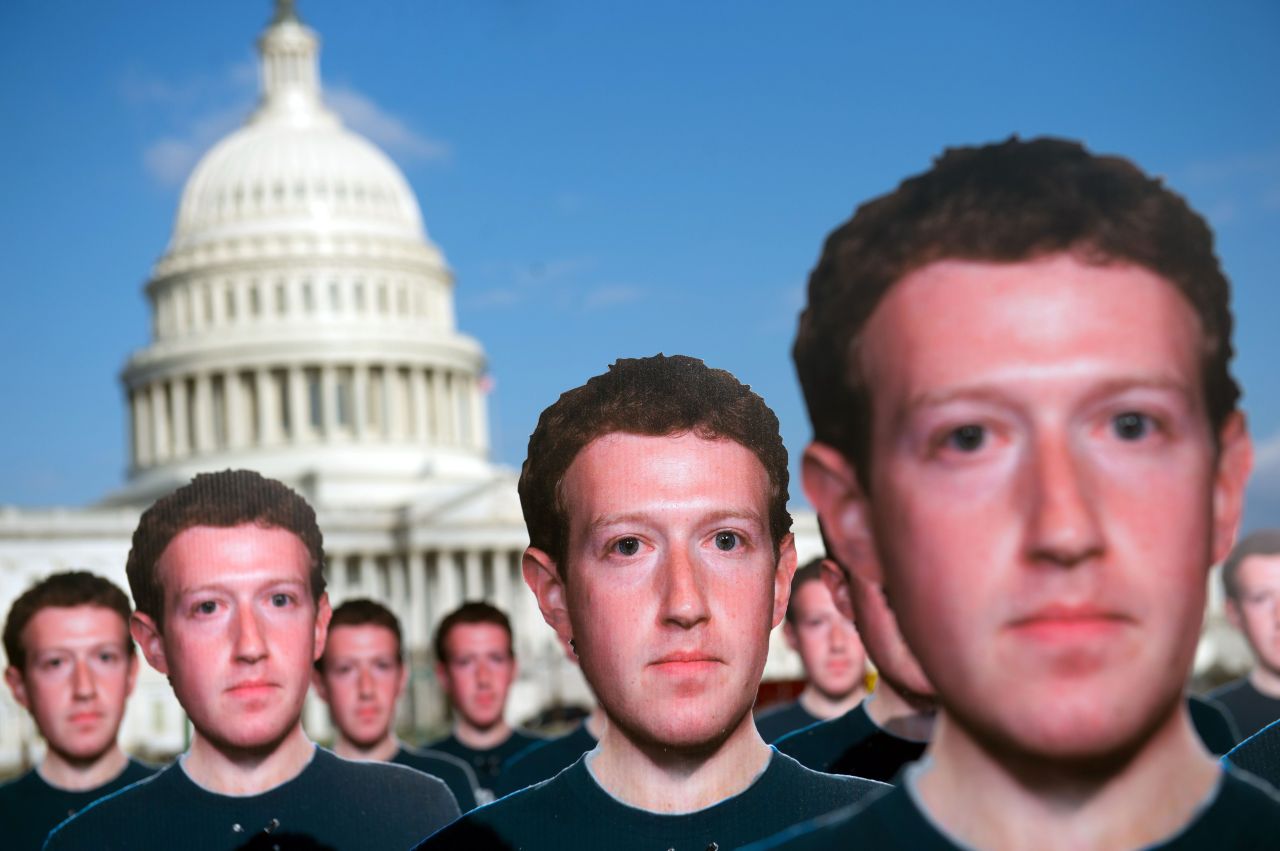
As the nation gears up for another round of midterm elections, a storm of concerns has been brewing over Facebook’s role in shaping political discourse. A recent study by Jonathan Albright from the Tow Center for Digital Journalism sheds light on the myriad ways Facebook’s platform has become a breeding ground for politically motivated disinformation. Notably, this year has revealed that domestic actors may be just as significant threats as foreign interference, raising alarms about the integrity of democratic processes in the United States.
The Scale of Disinformation
Albright’s three-month project meticulously collected data from more than 250,000 posts, 5,000 political ads, and numerous Facebook pages and groups, revealing a shocking landscape of misinformation. This research points to an alarming increase in disinformation strategies that go beyond the well-documented foreign meddling seen in previous elections. With his findings divided into three posts, he highlights the disturbing absences in Facebook’s accountability measures for political advertising.
Recursive Ad-ccountability: A Loophole Discovered
One of Albright’s core arguments centers around the concept of “Recursive Ad-ccountability,” which he highlights as a glaring oversight by Facebook. His analysis indicates that numerous influential Pages running political campaigns are managed by accounts outside the United States. What’s particularly troubling is the fluctuation of Page administrators, which raises questions about how thoroughly Facebook regulates these accounts post-verification.
- Only one administrator needs to be verified, but this singular check fails to account for shifts in Page management.
- The lack of consistent monitoring allows foreign influences to capitalize on U.S. political sentiments without accountability.
In essence, while Facebook touts enhancements to its ad authorization system tied to individual user identities, it appears that a vital loophole allows unauthorized foreign entities to manipulate political messaging.
The Role of Groups in Disinformation Campaigns
Examining a separate but equally troubling aspect of this landscape, Albright points to Facebook Groups as a new front for political propaganda. These closed groups allow actors to bypass scrutiny and disseminate content that would typically be challenged in public forums. According to Albright, they pose the most significant threat to the integrity of election-related information.
- Groups facilitate the spread of extremist viewpoints and sensational content to a selected audience, enabling hyper-partisan narratives to flourish.
- The unmoderated nature of such groups means that disinformation campaigns can occur with little oversight.
One particularly egregious example includes the continued presence of conspiracy theorist outlet Infowars within closed groups, even after prior bans for violating Facebook’s community standards.
The Path Forward: The Need for Robust Oversight
As Albright notes in his findings, Facebook’s political ad transparency tools fall short. They lack a robust framework to assess and monitor the evolving dynamics of Page management or the content circulating in the dark corners of closed groups. This dissonance creates an alarming gap in the safety net necessary to protect democratic discourse.
Without systemic reforms and rigorous oversight, it seems that Facebook’s current methodologies largely hinge on an ineffective layer of self-regulation, leaving a vast space for manipulation. Albright asserts that the casual dismissal of these pressing issues hampers our ability to safeguard electoral integrity – a sentiment echoed across the digital media landscape.
Conclusion: Demanding Accountability in a Digital Age
In conclusion, Facebook finds itself at a crucial juncture as the midterm elections approach. The platform’s trajectory over the past few years has raised serious ethical and regulatory questions about its capacity to foster genuine democratic engagement. As Albright has so clearly demonstrated, substantial implications exist when policymakers and the public fail to hold social media giants accountable for their influence on electoral outcomes.
If we hope to protect democratic ideals, it is crucial for stakeholders to push for transparency and collaboration in addressing the critical challenges posed by misinformation. At fxis.ai, we believe that such advancements are crucial for the future of AI, as they enable more comprehensive and effective solutions. Our team is continually exploring new methodologies to push the envelope in artificial intelligence, ensuring that our clients benefit from the latest technological innovations.
For more insights, updates, or to collaborate on AI development projects, stay connected with fxis.ai.