
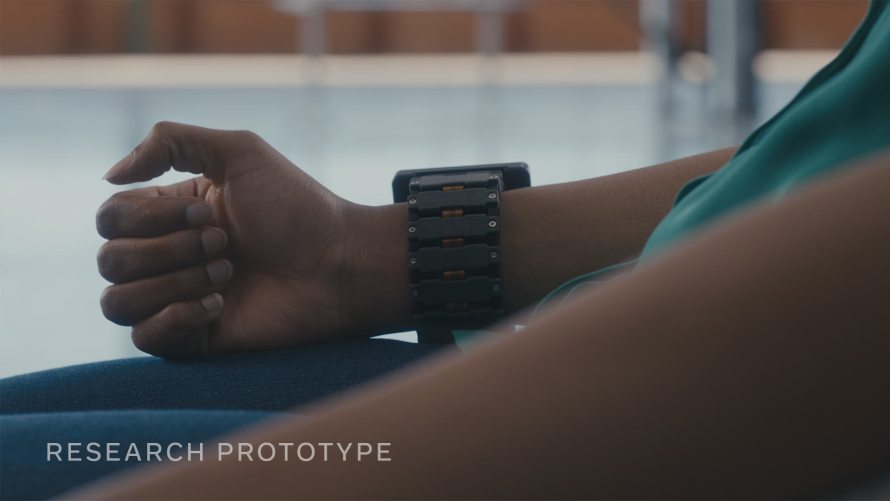
As we embrace the future of technology, Facebook is once again at the forefront, setting the stage for the next significant leap in augmented reality (AR) interfaces. While many consumers know Facebook primarily as a social media platform, its hardware strategy has been making waves recently, particularly through innovations in wearable technology. A mix of intrigue and skepticism surrounds Facebook’s recent unveiling of a wrist-worn AR interface. Could this be the key to a more intuitive interaction between humans and machines? Let’s explore further.
The Concept Behind the Wrist Interface
At the heart of Facebook’s recent announcement lies a vision of a wrist device that acts as an advanced control interface, enhancing engagement with augmented reality. Unlike traditional wearable technology, which often focuses on health metrics or notifications, this mysterious device is poised to revolutionize how we interact with digital environments.
Facebook Reality Labs posits that having a device on the wrist allows for seamless integration into daily life. Here are a few reasons this concept stands out:
- Portability: A device worn on the wrist can easily be managed and accessed compared to bulky equipment that requires dedicated storage.
- Proximity to Interaction: Placing the device adjacent to the hands makes it easier to control AR applications, providing an interface that allows for more natural and responsive movements.
- Social Acceptance: Wearing technology on one’s wrist is common and widely accepted, thus decreasing friction in cultural adaptation.
Harnessing Electromyography for User Interaction
One of the most exciting aspects of Facebook’s prospective wrist-worn device is its utilization of electromyography (EMG). This technology translates motor nerve signals into commands that can control various aspects of augmented reality. Here’s what this means:
- Intuitive Control: Users will be able to manipulate virtual objects through muscle signals, providing a near-telekinetic experience.
- Enhanced Interaction: By interpreting these signals, the device can control interfaces without the need for touch or voice, opening the door to a new kind of interaction that feels almost like magic.
- Future Integration: The aim to mesh this technology with existing frameworks, particularly Android, presents exciting collaborations and possibilities for developers.
The Broader Implications of the Technology
While the presentation of such concepts often carries an aura of hype, the implications of these technologies are far-reaching. Imagine a world where you can effortlessly interact with your digital environment without the surrounding hardware. This device may indeed become a gateway to fully immersive augmented reality experiences.
However, as we consider the integration of such technology into our lives, it’s essential to ponder the questions it raises about technology adoption. How deeply should we allow such interfaces to embed in our daily lives? With advancements in neural interfaces, users may soon need to reconcile their experiences of privacy and control alongside innovations that enhance connectivity.
Conclusion: A Future Driven By Innovation
Facebook’s exploration of wrist-worn AR interfaces, particularly through the lens of EMG technology, paints a compelling picture of what’s to come. While it may still be conceptual, the potential of this technology could reshuffle how we live, work, and interact with the digital realms that increasingly shape our realities.
As we stand on the brink of this technology, it’s vital to stay informed and engaged. Will such innovations lead us to a future of interconnected experiences, or are we charting our course into a realm of uncertainty?
At fxis.ai, we believe that such advancements are crucial for the future of AI, as they enable more comprehensive and effective solutions. Our team is continually exploring new methodologies to push the envelope in artificial intelligence, ensuring that our clients benefit from the latest technological innovations. For more insights, updates, or to collaborate on AI development projects, stay connected with fxis.ai.