
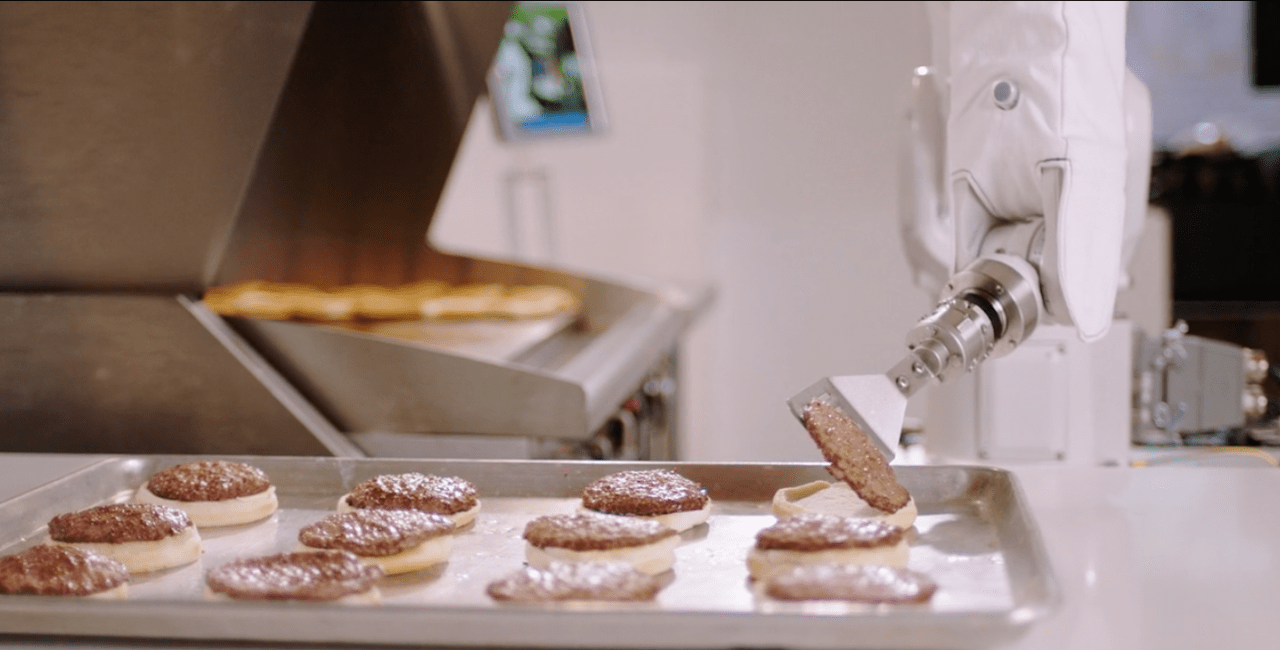
In the ever-evolving world of culinary technology, few innovations have sparked as much excitement and curiosity as Flippy, the hamburger-cooking robot brought to life by Miso Robotics. Today, we delve into how Flippy has transitioned from concept to an operational marvel in its first restaurant gig at Caliburger. The implications for efficiency, quality, and customer experience make this development a significant marker for both the restaurant industry and food robotics.
The Debut of Flippy
Recently showcased at Disrupt SF, Flippy is not just a flashy gadget; it’s an integral player in the restaurant’s workflow. Caliburger, a forward-thinking fast-casual dining chain, selected Flippy to serve its customers in Pasadena, essentially Miso’s home ground. This location is just the beginning, with ambitious plans to introduce Flippy to 50 other venues, which span various international markets, including the Middle East.
How Flippy Works
At its core, Flippy remains an industrial robotic arm but with significant enhancements that make it restaurant-ready. The most striking feature is its newly designed spatula, replacing the earlier clasping claw. This design change stems from rigorous programming to ensure cleanliness—an essential standard in handling raw meat. With a simple, easy-to-clean surface, Flippy can maintain hygiene while effortlessly managing burger flipping and cooking.
Operational Efficiency
- Precision Cooking: Flippy’s ability to monitor burger cooking times promises a level of precision that is hard to replicate by human cooks.
- Speed: With Flippy on the team, busy times in the kitchen are managed more effectively, ensuring that the demand for orders is met promptly.
- Consistency: The automation ensures that every burger is cooked to the same standard, enhancing customers’ dining experience.
Learning and Adapting
Transitioning from a traditional cooking setup to a robotic one begs questions about adaptability. Miso Robotics is committed to ongoing innovation, adding features like advanced computer imaging and AI that will enable Flippy to adjust to seasonal menu changes dynamically. This reflects a broader trend toward intelligent systems that evolve and optimize over time, rather than remaining static.
Collaborations and Future Prospects
Beyond its engagement with Caliburger, Miso Robotics is setting the stage for growth by partnering with Kitchen United, an innovative hub similar to “WeWork for restaurants.” This alliance aims to utilize collective data gathered in a shared kitchen environment to refine and enhance Flippy’s AI and machine learning capabilities. Such collaborations are essential, revealing how the food industry can leverage advanced technology to adapt to consumer demands rapidly.
Conclusion
Flippy’s journey from concept to reality at Caliburger signifies a pivotal moment not only for Miso Robotics and the restaurant sector but also for future food innovations. As the fast-casual chain leads the way in employing this culinary technology, the restaurant industry stands on the brink of a transformation that promises greater efficiency, improved hygiene, and enhanced customer satisfaction.
As we look forward, the potential uses of AI and robotics in culinary settings seem boundless. The primary question remains: how will the industry adapt to and adopt these new technologies? At fxis.ai, we believe that such advancements are crucial for the future of AI, as they enable more comprehensive and effective solutions. Our team is continually exploring new methodologies to push the envelope in artificial intelligence, ensuring that our clients benefit from the latest technological innovations.
For more insights, updates, or to collaborate on AI development projects, stay connected with fxis.ai.