
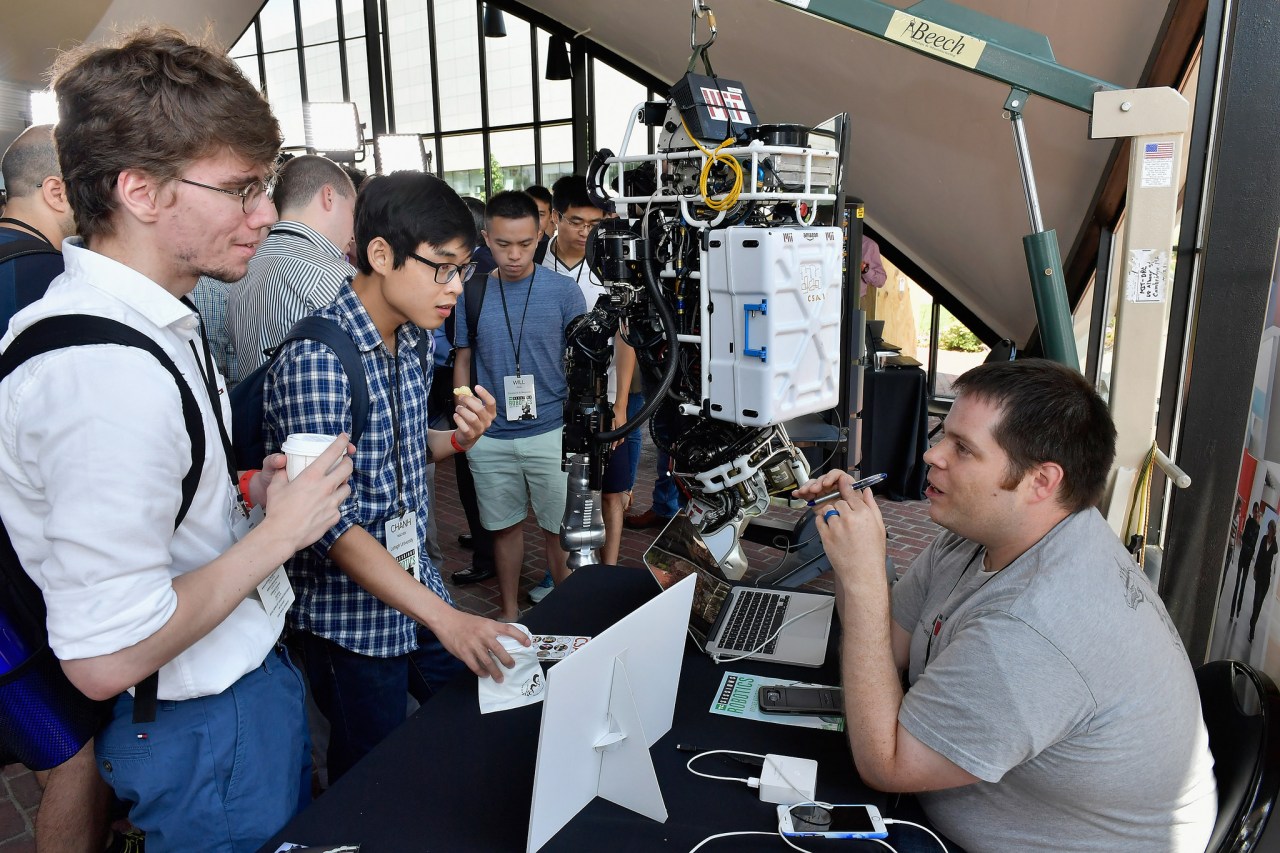
The journey from academia to the commercial world can be daunting, especially for students teetering on the edge of their graduation. With the dream of launching a startup fresh in their minds, many face a barrage of questions: How do I turn my research into a product? What steps must I take to ensure my venture is successful? These questions swiftly become pivotal in a student’s life. In this post, we will explore actionable insights for students transitioning from the laboratory to the vibrant world of robotics startups.
Identifying Real-world Problems
The foundation of any successful startup begins with identifying a genuine problem that needs addressing. As many industry experts advise, aspiring entrepreneurs must focus on the pain points affecting potential customers rather than falling in love with their own solutions. Success does not lie in inventing complications; it thrives on resolving them effectively. To illustrate this, think about common challenges that individuals face—whether in household chores or workplace efficiencies. Finding practical solutions for these daily annoyances can lead to viable startup ideas.
Learning from Established Industries
Students should leverage opportunities to learn from existing companies. Engaging with industry veterans provides invaluable insights into the complexities of running a business. Whether it’s through internships or strategic networking, gaining firsthand experience allows students to grasp the commercial landscape. For instance, many robotics students choose to work part-time in established firms, nurturing their passion while absorbing knowledge about operations, customer relations, and market demands.
The Role of Universities in Entrepreneurship
- Incubation Programs: Universities like MIT and Carnegie Mellon are spearheading efforts to support budding entrepreneurs. The establishment of incubators, such as MIT’s The Engine, fosters an ecosystem where students can collaborate, obtain mentorship, and access funding.
- Technical Entrepreneurship Courses: Many universities now offer specialized courses aimed at equipping students with the business acumen needed to succeed. These courses cover topics ranging from market analysis to fundraising strategies, ensuring students are well-prepared for the challenges ahead.
- Partnerships with Industry: Collaborations between educational institutions and industries facilitate the commercialization of academic research. Programs at places like Harvard’s Wyss Institute exemplify how turning research into tangible products can be achieved through structured partnerships.
The Importance of Flexibility and Collaboration
Launching a startup can be tumultuous, and flexibility is essential. Industry leaders like Colin Angle from iRobot encourage aspiring entrepreneurs to remain open to feedback and to pivot when necessary. The pathway to success is seldom linear; it often requires adaptability, resilience, and teamwork. A supportive environment where team members motivate each other is crucial, allowing individuals to share the burden of failure and celebrate victories together.
Learning from Failures
One of the most significant truths of the entrepreneurial journey is that failure often precedes success. Entrepreneurs should embrace setbacks as learning opportunities rather than as dead ends. Often, the market will respond in unexpected ways, leading to revisions in strategy. Being willing to learn and evolve is vital for any startup’s longevity.
Conclusion: The Future Awaits
The transition from the laboratory to the startup scene is filled with challenges but also immense potential. Students equipped with the right mindset, tools, and support systems can successfully navigate this path. With the prevalence of resources provided by universities and the burgeoning startup culture, aspiring innovators today have unprecedented opportunities to bring their ideas to life. At fxis.ai, we believe that such advancements are crucial for the future of AI, as they enable more comprehensive and effective solutions. Our team is continually exploring new methodologies to push the envelope in artificial intelligence, ensuring that our clients benefit from the latest technological innovations. For more insights, updates, or to collaborate on AI development projects, stay connected with fxis.ai.