
In our modern era, where technology blends seamlessly with our day-to-day lives, the remarkable evolution of artificial intelligence (AI) continues to unveil new possibilities. The quest to master food recognition has taken an interesting turn, as researchers at the Massachusetts Institute of Technology (MIT) embark on a vital journey with their innovative project known as pic2recipe. This cutting-edge technology aspires to do more than just identify recipes; it aims to provide deeper insights into health habits and dietary preferences based solely on images pulled from social media. This blog post delves into the workings of this fascinating system, its implications, and the potential future of AI in the culinary world.
How pic2recipe Works
The genesis of pic2recipe can be traced back to the vast array of data compiled by the Food-101 data set, which consists of over 101,000 food images. These images serve as a foundational element for the system, allowing it to learn and predict. However, the real magic lies in its integration with the Recipe1M database, a trove of over one million recipes harvested from popular culinary websites such as All Recipes and Food.com. When a food image is uploaded, pic2recipe’s neural networks work to assess the visual elements of the photo and then cross-reference those details with the extensive database of recipes.
Successes and Challenges
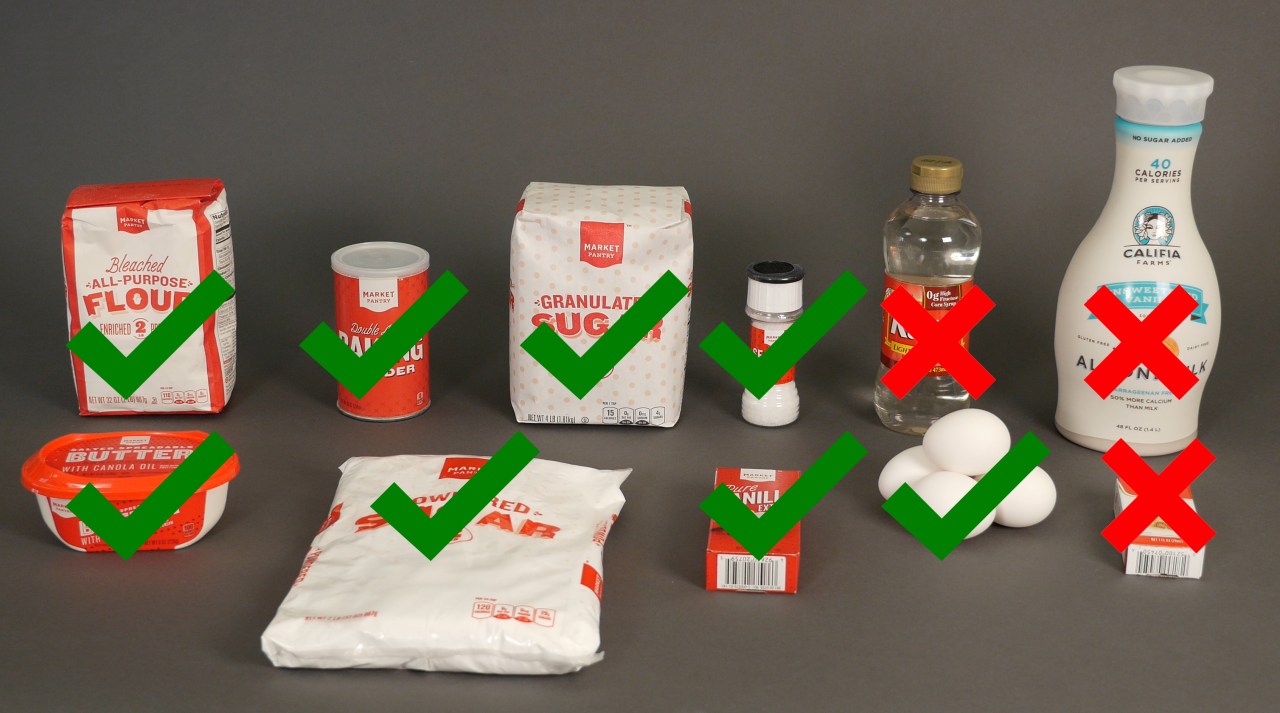
Despite its promising potential, pic2recipe has its limitations. Currently, the technology boasts a success rate of roughly 65% when correctly identifying recipes. This discrepancy largely arises from the variability in food photographs. As coauthor Nick Hynes put it, “It’s mostly an issue of getting the scale correct.” Indeed, the diversity in styles ranging from close-ups to broader shots can confuse the system. For example, while pic2recipe performs admirably with baked goods like cookies and muffins, it encounters challenges with complex items like sushi and smoothies. The complexity is rooted in the diverse interpretation of ingredients and the multitude of recipes that can define a single dish.
The Real-World Implications of Food Recognition Technology
You may ask, “What does all this mean for everyday life?” While the ambition of pic2recipe is certainly intriguing, the practical applications of this technology are where the real excitement lies. Imagine a world where you could take a picture of a meal at a restaurant and instantly receive information on its nutritional value, dietary restrictions, or even companion recipes. Moreover, such capabilities could help raise awareness regarding healthy eating habits, thereby contributing positively to individual health management.
The Journey Ahead
Even though pic2recipe is not currently aiming for market introduction—largely due to the needed refinements—the road ahead is filled with potential. The interplay between technology and cuisine is only just beginning to scratch the surface, and we can expect advancements in these AI systems that will enhance their precision and applicability in real-world scenarios.
Conclusion: A New Culinary Frontier
As the lines between technology and our personal lives continue to blur, innovations like MIT’s pic2recipe embody the future of food recognition technology. Its capacity to discern recipes from mere images offers a tantalizing glimpse into a transformative age where our dietary choices can be informed by the click of a button—promising a healthier world, one meal at a time. At fxis.ai, we believe that such advancements are crucial for the future of AI, as they enable more comprehensive and effective solutions. Our team is continually exploring new methodologies to push the envelope in artificial intelligence, ensuring that our clients benefit from the latest technological innovations.
For more insights, updates, or to collaborate on AI development projects, stay connected with fxis.ai.