
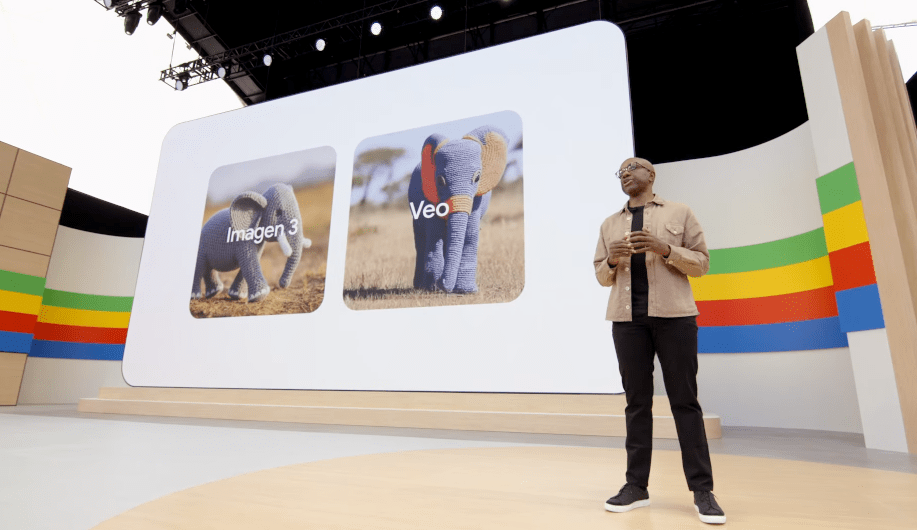
The tech world has been buzzing with anticipation over Google’s latest offerings, and the recent “Made by Google” event delivered major news—Gemini has been named the default assistant for the upcoming Pixel 9. This shift signifies not just an update in software, but a strategic pivot towards generative AI technologies that are reshaping the way we interact with our devices. Let’s dive deeper into what this means for consumers, developers, and the larger landscape of AI technology.
Gemini: The Emergence of a New AI Assistant
While users previously had the option to replace the traditional Google Assistant with Gemini, the Pixel 9 will now come equipped with this generative AI technology right out of the box. This design choice pushes the envelope, showcasing Google’s commitment to leveraging advanced neural network capabilities. Gemini’s prowess lies in its dual nature—boasting a “higher ceiling” of possibilities, yet also a “lower floor” of potential hiccups, particularly in its early rollout phase. As with any technology, there’s a learning curve, and Gemini is no exception.
- Human-like Conversations: Powered by Gemini 1.5 Pro, the Pixel 9 promises to offer dynamic, more human-like interactions. This shift is crucial as users increasingly demand conversational interfaces that feel less robotic and more intuitive.
- Impressive AI Enhancements: Google has already made strides with features like Magic Eraser and the Add Me editing tool, all of which employ the power of AI to redefine user creativity. The Pixel 9 will continue this trend with more sophisticated AI functionalities.
Legacy Assistant: A Safety Net for Users
Despite the excitement surrounding Gemini, Google acknowledges that the technology is still maturing. To reassure consumers, Google has made provisions for those who may prefer the reliability of the “legacy assistant.” Users can easily switch back, but will this dual-structure model remain sustainable? It raises pertinent questions about user experience and long-term strategy.
- Ongoing Support: Google has reaffirmed that the legacy Assistant will continue to play a role in its ecosystem, particularly within its NestHome operations, ensuring that established users have access to familiar functionalities.
- Device Compatibility: Challenges may arise as lower-end devices might struggle with integrating Gemini’s advanced requirements, potentially leaving some segments of the market underserved.
The Future of AI within the Google Ecosystem
With the Pixel 9’s release slated for August 22, the anticipation is palpable. However, Google’s plans extend beyond just this device. The company is reportedly eyeing a broader rollout of Gemini across its Android platform. But how will this transition play out in practice?
Other manufacturers, such as Samsung, are developing their own variations of generative AI, but whether these alternatives can rival Gemini remains to be seen. As AI becomes more integral to user experience, companies will need to strike a balance between innovation and reliability.
The Bigger Picture: Transformative Implications for AI
Gemini’s deployment poses significant implications for the broader tech landscape. Google is at the forefront, pushing a paradigm where AI is embedded deeply in our devices and everyday interactions. While the initial rollout may come with uncertainties, it also offers the potential for groundbreaking advancements in personalization and functionality.
At fxis.ai, we believe that such advancements are crucial for the future of AI, as they enable more comprehensive and effective solutions. Our team is continually exploring new methodologies to push the envelope in artificial intelligence, ensuring that our clients benefit from the latest technological innovations.
Conclusion: Embracing AI with Caution
As we gear up for the Pixel 9’s launch, it’s important to embrace the exciting potentials of Gemini while remaining aware of its challenges. Google stands at a critical juncture, balancing innovation with user satisfaction. The way this unfolds will shape not only Google’s future but also the evolution of AI assistants as a whole. For more insights, updates, or to collaborate on AI development projects, stay connected with fxis.ai.