
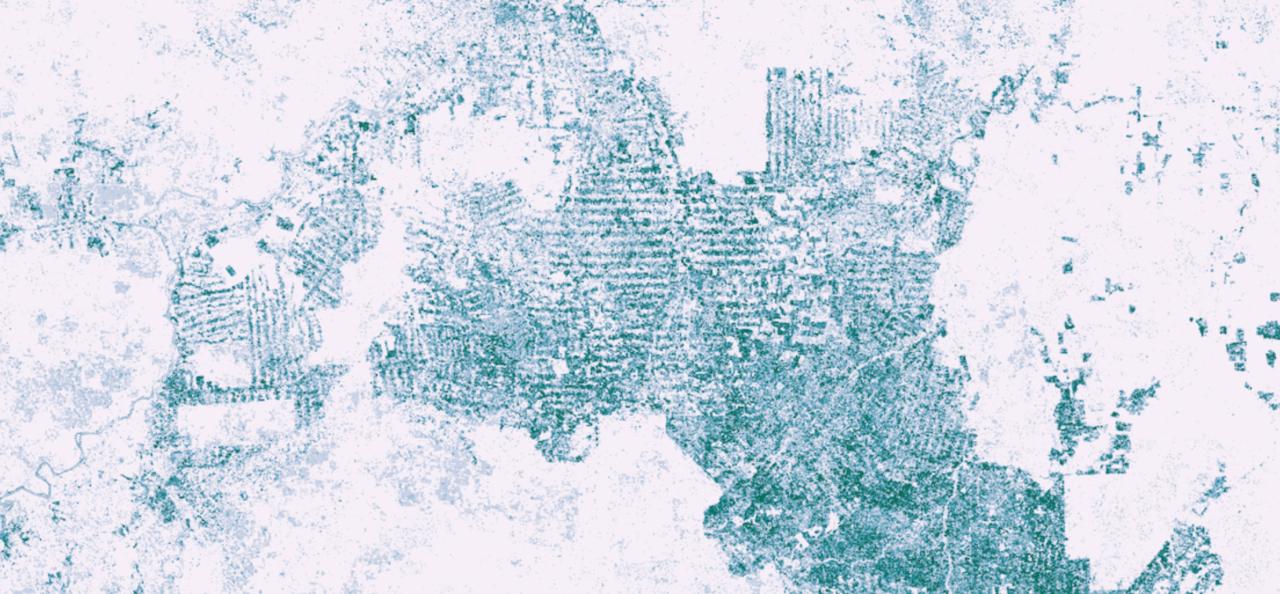
In a world increasingly driven by data, the role of geospatial analytics is becoming paramount. Companies like Descartes Labs are at the forefront of this movement, leveraging satellite imagery and machine learning to extract insights across various sectors. With their recent $30 million Series B funding round, co-led by March Capital, Descartes is not only solidifying its position but also highlighting the enormous value that geospatial analytics can deliver across industries.
The Geospatial Gold Rush
The emerging market of geospatial analytics has been drawing massive attention from investors, especially after notable raises by competitors like Orbital Insight, which secured $50 million in a Series C round. But what exactly is driving this interest? The answer lies in the wealth of applications that geospatial insights can offer:
- Financial Forecasting: Hedge funds have tapped into the power of satellite imagery to gauge retail performance, utilizing data such as parking lot sizes to estimate potential revenue.
- Agricultural Monitoring: With the ability to evaluate crop health and monitor land use, farmers can make informed decisions based on accurate, real-time data.
- Logistics Optimization: Companies are using analytics to enhance supply chain efficiency and improve operational transparency.
The diverse applications across multiple sectors underscore why investors are racing to fund companies that can capitalize on these technologies. Descartes Labs is poised to be a leader in this field, building a powerful toolset to aid various industries.
Innovative Roots in Santa Fe
Another fascinating aspect of Descartes Labs is its unique location in Santa Fe, New Mexico. Co-founder Mark Johnson highlighted that this picturesque city is not just about stunning landscapes but offers a real opportunity for engineers and their families to settle down affordably. This localized approach fosters a distinct company culture that echoes innovation and accessibility.
Johnson’s vision when founding Descartes was to shift the investment focus from satellite hardware to software solutions. This insight has proven prescient, as the growing expenditure on geospatial software technologies showcases an increasing recognition of their strategic importance.
Building Robust Platforms
Since its inception, Descartes Labs has worked diligently on refining its internal data pipelines. With a clear move towards scalability, the company aims to transition from one-off consulting projects to larger Software as a Service (SaaS) contracts. This direction is essential as the future of geospatial analytics lies not just in experimentation but in enabling businesses to search and analyze data effortlessly across the globe.
The introduction of tools like Geovisual Search, which employs computer vision to quantify physical infrastructure, exemplifies this commitment to making geospatial data practical for users. Imagine being able to quickly identify and count wastewater treatment plants or cargo ships through a simple search query—this tool is a powerful leap toward that reality.
Tackling the Accessibility Challenge
However, democratizing access to this high-tech platform is critical. Extracting, cleaning, and applying data science methodologies can be daunting for many companies. Descartes Labs recognizes this challenge and is actively prioritizing user accessibility, ensuring that even those without advanced technical know-how can leverage the power of geospatial analytics.
The Future Outlook
With plans to grow its current team of 40 to 100 by next year, Descartes Labs is on an ambitious path. Johnson envisions not only expanding but also enhancing the variety of vertical offerings. With a potential dedicated platform for agriculture on the horizon, it’s exciting to think about how tailored solutions could revolutionize specific sectors.
Conclusion
The $30 million Series B funding round represents more than just a financial milestone; it marks a significant moment for Descartes Labs and the geospatial analytics sector. As they continue to innovate and make strides in accessibility and usability, we are witnessing the transformation of how businesses may leverage satellite data in the future. Descartes is leading the charge, helping industries to harness the skies for insights that drive meaningful results.
At fxis.ai, we believe that such advancements are crucial for the future of AI, as they enable more comprehensive and effective solutions. Our team is continually exploring new methodologies to push the envelope in artificial intelligence, ensuring that our clients benefit from the latest technological innovations.
For more insights, updates, or to collaborate on AI development projects, stay connected with fxis.ai.