
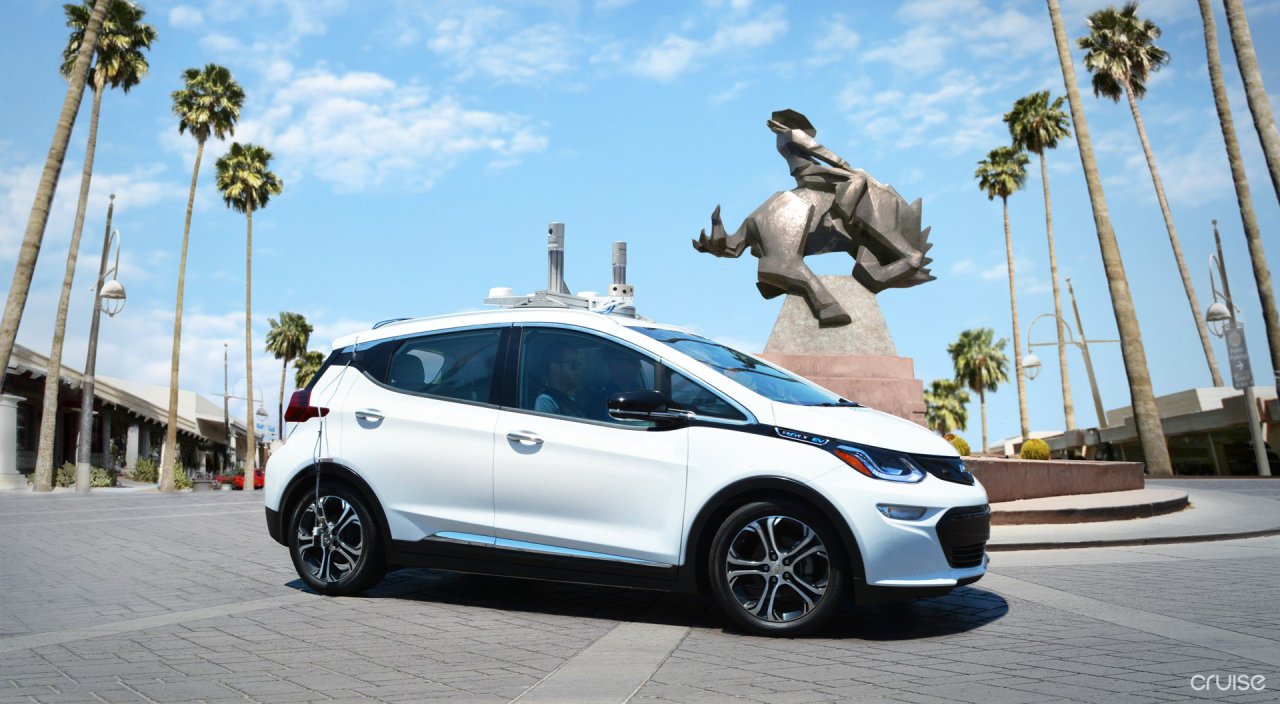
The future of transportation is upon us, with self-driving technology transforming the automotive landscape at an unprecedented pace. Among the frontrunners in this revolution is General Motors (GM), leveraging its Cruise acquisition to expand autonomous vehicle testing in the vibrant environment of Arizona. This initiative not only signifies GM’s commitment to innovation but also highlights Arizona’s suitability as a testing ground for self-driving technologies. Let’s delve into the details of GM’s testing operations using Chevrolet Bolt EVs in Scottsdale.
A Strategic Testing Ground
Arizona has emerged as a haven for autonomous vehicle experimentation, primarily due to its favorable regulatory landscape and diverse driving environments. Scottsdale, an urban oasis known for its bustling tourism and suburban feel, presents an ideal setting for Cruise to validate its self-driving technology.
- Regulatory Support: Arizona’s government has actively encouraged the development of autonomous vehicles by providing supportive regulations. This enables companies like Cruise to safely innovate and test their technologies on public roads.
- Established Infrastructure: With existing players like Waymo already conducting tests here, the infrastructure for self-driving vehicles is evolving. This ecosystem allows for sharing of best practices and lessons learned, which is advantageous for newcomers like Cruise.
Testing the Chevrolet Bolt EVs on Public Roads
The choice of Chevrolet Bolt EVs for testing reflects a strategic decision by GM. These all-electric vehicles symbolize the shift towards cleaner transportation, aligning with global goals for sustainability while also providing a platform for advanced autonomous features.
By deploying Bolt EVs, Cruise can incorporate cutting-edge technology, including:
- Advanced Sensors: Each Bolt is equipped with a suite of sensors including LIDAR, cameras, and radar, which help the vehicle perceive its surroundings accurately.
- Machine Learning Algorithms: The vehicles utilize sophisticated algorithms to learn from their environment and improve over time, ensuring that they can handle complex driving scenarios.
The Road Ahead for GM and Cruise
Looking towards the future, GM has ambitious plans for integrating autonomous driving technologies into mainstream usage. By collaborating with ride-sharing giants like Lyft, GM aims to introduce self-driving taxi services within the next year. This synergy between established automotive innovators and digital-native transportation networks could redefine mobility as we know it.
Cruise’s operations in Arizona are just the beginning of a broader vision. By collecting data and understanding how autonomous vehicles interact with human drivers in real-world scenarios, GM is positioning itself to lead in the autonomous market.
Conclusion
GM’s initiative to test Cruise’s self-driving technology in Arizona signifies a pivotal moment in the automotive industry. As we witness advancements in autonomous vehicle capabilities, it’s essential to recognize the role of state support, technological integration, and strategic partnerships. With the Chevrolet Bolt EVs cruising through Scottsdale, we can expect imminent breakthroughs that will shape the future of transportation.
At fxis.ai, we believe that such advancements are crucial for the future of AI, as they enable more comprehensive and effective solutions. Our team is continually exploring new methodologies to push the envelope in artificial intelligence, ensuring that our clients benefit from the latest technological innovations.
For more insights, updates, or to collaborate on AI development projects, stay connected with fxis.ai.