
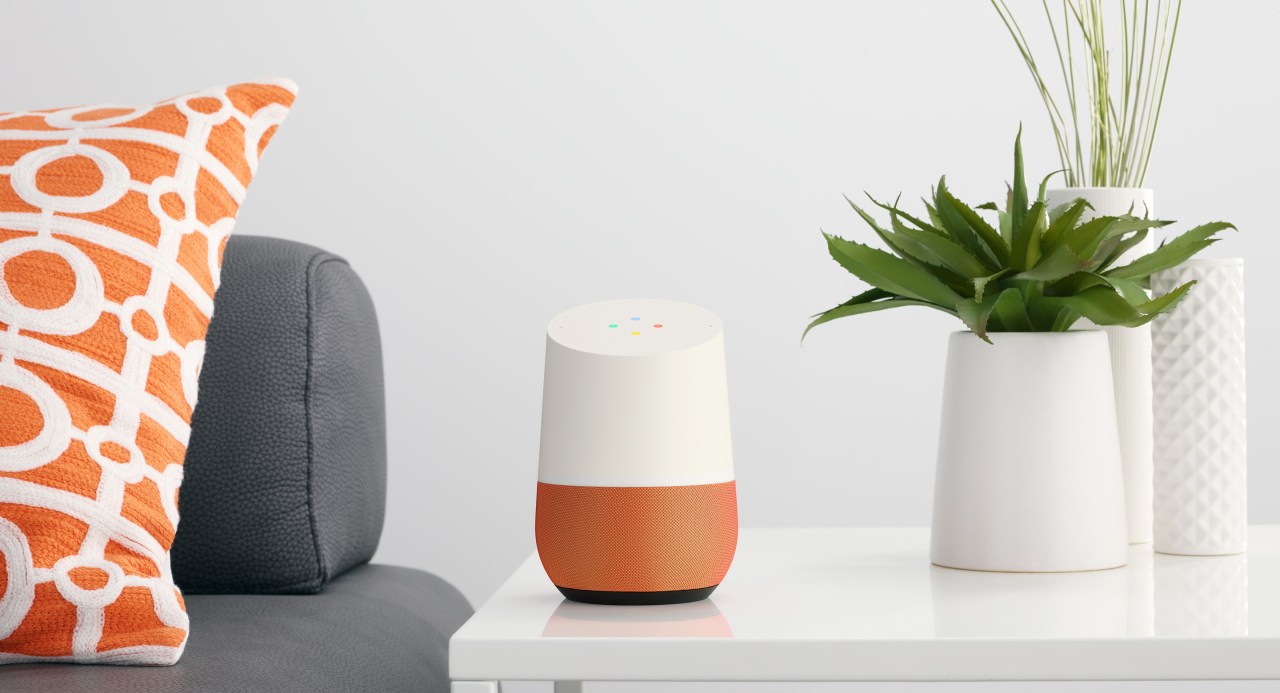
When Google Home made its debut in October 2016, it marked a significant shift in how we engage with our living environments. As an embodiment of the company’s vision of a personalized digital assistant, Google Home was strategically positioned against competitors like Amazon Echo. With a price tag of $129 and features such as a voice-activated assistant, a sleek design, and smart home integrations, it stirred a wave of excitement among tech enthusiasts and casual users alike.
The Heart of the Home: Design Meets Functionality
Google understood that aesthetics are just as important as functionality in modern living. With an eye towards seamless integration into home decor, Google Home’s design was inspired by wine bottles and candles, offering an array of bases to suit various styles. These thoughtful design choices made it a versatile addition to any room, particularly the living space.
Meet Your Google Assistant
At the core of Google Home lies the Google Assistant, an evolved version of what many knew as Google Now. Not only could it deliver answers to queries, but it also added an element of personalization previously unseen in smart assistants. Users were promised an experience unique to them, encapsulated in the phrase “our own Google.” This personalization aimed to create an assistant that could understand user preferences over time.
Smart Home Integration: A Growing Ecosystem
One of the standout features of Google Home was its integration with a variety of smart home devices. The partnerships with brands like Nest, Philips, and Samsung showcased its ambition to create a cohesive ecosystem for connected devices. While still trailing Amazon in the number of partnerships, Google leveraged platforms like IFTTT to expand its reach into the smart home market, allowing users to control lights, thermostats, and more through simple voice commands.
Music and Entertainment: The Sound of Innovation
Music played an essential role in elevating the Google Home experience. With built-in support for popular services like Google Play Music, Spotify, and Pandora, users could easily set their preferred music service as default. The intelligent search capabilities meant that users could execute complex queries to find their desired songs, enhancing the listening experience.
Looking to the Future: Google Home’s Potential
As Google Home took its first steps into an already bustling market, curiosity regarding its capabilities grew. With strong emphasis on its “best in class” microphones and speakers, Google promised a device equipped to deliver high-quality sound. Moreover, the integration of Google’s Cast technology indicated a future where the Home could serve as a control hub for an array of devices, seamlessly merging entertainment experiences.
Conclusion: A Seamless Companion in Our Lives
Google Home redefined the concept of smart assistants in our homes, striving for an experience that wasn’t just functional but also deeply personalized and aesthetically pleasing. By combining powerful technology with the human touch of design, Google aimed not only to catch up but to lead the way in the smart home revolution. Today, as we look back on its introduction, it’s clear that Google Home laid the groundwork for further innovations in the AI space.
At fxis.ai, we believe that such advancements are crucial for the future of AI, as they enable more comprehensive and effective solutions. Our team is continually exploring new methodologies to push the envelope in artificial intelligence, ensuring that our clients benefit from the latest technological innovations. For more insights, updates, or to collaborate on AI development projects, stay connected with fxis.ai.