
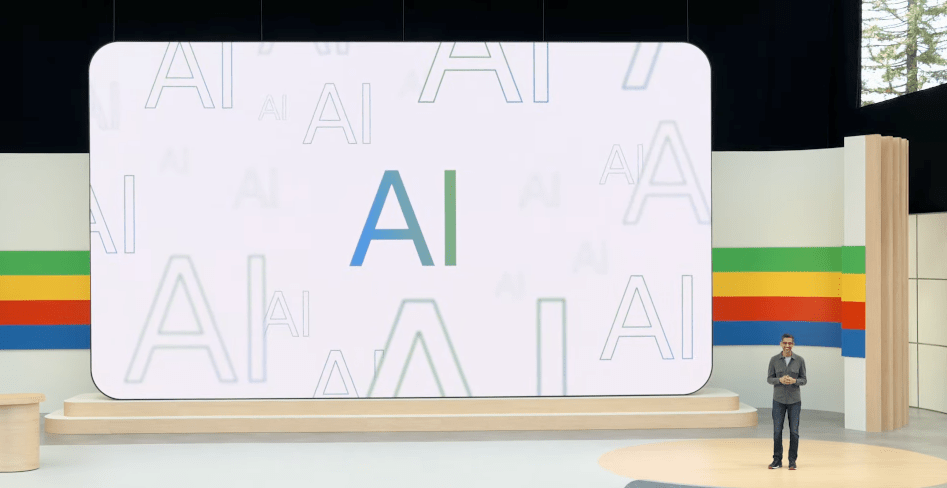
In the ever-evolving landscape of artificial intelligence, even giants like Google can stumble. Recently, a series of missteps with its AI Overviews feature ignited a wave of memes and banter across social media, prompting the tech behemoth to issue a candid admission of its shortcomings. With a focus on enhancing user experience, this situation serves as a valuable case study on the delicate balance of innovation and accuracy in AI. Let’s delve deeper into what went wrong and how Google plans to navigate these challenges.
Understanding the AI Overview Fiasco
At first glance, Google’s ambition to integrate AI into its search technology seems reasonable, aiming to streamline information delivery. However, as Liz Reid, Google’s VP and Head of Search, pointed out, the AI Overviews faced issues that extended beyond typical hallucinations seen in other large language models. So, what exactly happened?
- Misinterpretation of Queries: The AI occasionally misread user inputs, leading to absurd suggestions. It famously misquoted a satirical piece about “eating rocks,” asserting it was advisable to consume “at least one small rock per day.” Such responses, while humorous, highlight a serious concern regarding the reliability of AI-generated information.
- Overreliance on Forums: Google’s AI seemed to pull from user-generated content, particularly from Reddit, without discerning the credibility of the information. While forums can provide genuine insights, they can just as easily propagate misinformation, raising questions about the sources AI should prioritize.
- Lack of Contextual Awareness: The AI’s inability to differentiate between serious queries and nonsensical ones significantly diminished its effectiveness. Topics that demand factual accuracy were sometimes muddled by flippant responses, showcasing a need for improved contextual detection.
Google’s Response: A Commitment to Improvement
After the chaotic rollout, Google’s response indicated a commitment to learning and refining its AI capabilities. The company’s plans to enhance the system include:
- Improved Detection Mechanisms: By identifying patterns that led to erroneous outputs, Google aims to develop algorithms that can better recognize nonsensical or misleading queries. This step is paramount to restoring user trust.
- Source Verification Enhancements: The tech giant intends to create tighter controls on the reliance of forums like Reddit, ensuring that only verified or expert-backed information surfaces in critical queries.
- Selective Overviews for Sensitive Topics: For subjects demanding high factual integrity, such as health or hard news, the AI Overviews will be limited, preserving accuracy over convenience.
Empowering Users to Co-Create Solutions
Perhaps the most interesting takeaway from this fiasco is how Google’s approach inadvertently turned millions of users into beta testers. Amid the blunders, this collective feedback loop offers valuable insights into user expectations and needs. Google’s commitment to harnessing this data reflects a democratic shift in technology development, prompting the question: how might this collaborative spirit foster more robust AI solutions?
The Bigger Picture: AI and the Future of Information Retrieval
The challenges faced by Google raise critical discussions on the broader implications of AI in search technologies. Will these hurdles slow progress, or will they expedite the relentless march toward more sophisticated, reliable AI systems? As new entrants constantly enhance their chatbot offerings, Google’s iconic search engine must adapt or risk obsolescence. The competition remains fierce, and lessons from recent errors could serve as catalysts for rapid innovation.
Conclusion: Navigating the AI Landscape Together
As Google endeavors to learn from its AI Overviews blunders, it presents a unique moment for collaboration between tech companies and users. Ultimately, the dialogue about AI’s limitations should guide its development toward more effective solutions rather than deter its progress. The future of information retrieval may be more collaborative than ever, requiring input and scrutiny from the very users these technologies aim to serve.
At fxis.ai, we believe that such advancements are crucial for the future of AI, as they enable more comprehensive and effective solutions. Our team is continually exploring new methodologies to push the envelope in artificial intelligence, ensuring that our clients benefit from the latest technological innovations.
For more insights, updates, or to collaborate on AI development projects, stay connected with fxis.ai.