
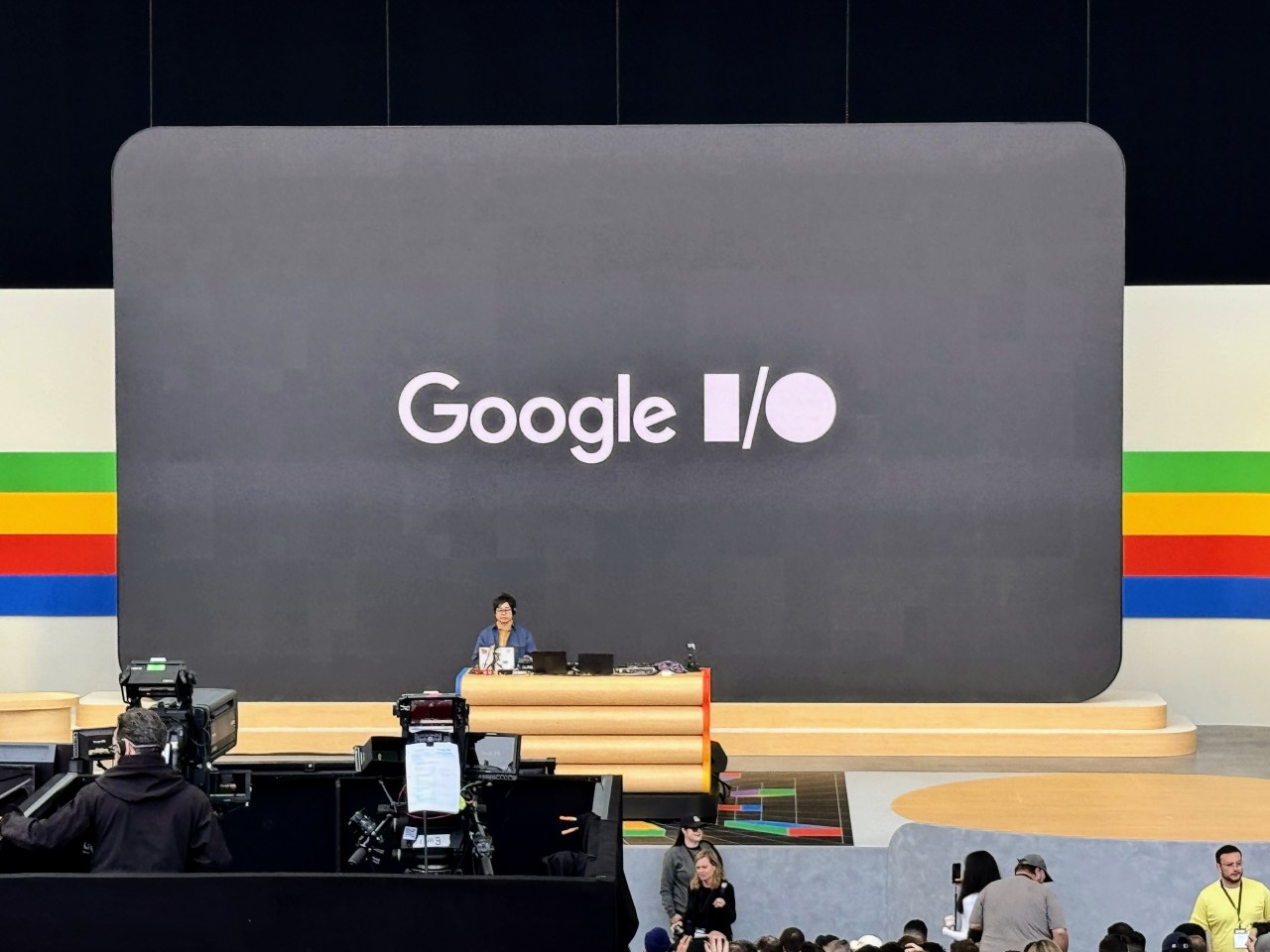
The future of search is upon us! At the Google IO 2024 developer conference, a significant pivot in the way we navigate online information was unveiled. Google’s announcement to implement generative AI for organizing search results pages is set to transform not only the user experience but also the landscape for online publishers. This bold move competes with traditional search mechanisms and raises vital questions about SEO strategies in an AI-dominated world. Let’s delve deeper into what this means for users and content creators alike.
The Evolution of Search Results
For years, Google’s search results have been organized using a combination of algorithms that prioritize content relevance, page ranking, and user engagement metrics. However, the introduction of generative AI brings a more nuanced approach to presenting results. As stated by Elizabeth Harmon Reid, head of Google Search, “There’s opportunities to use generative AI to infuse throughout search,” which signifies that the traditional methods are evolving into a more user-centric experience.
How Generative AI Will Enhance the Search Experience
The rollout of generative AI aims to enrich search results with inspiring and informative content tailored to the user’s intent. For instance, Google plans to utilize this technology for users looking for travel ideas, dining options, or even planning an anniversary getaway. The potential to receive personalized suggestions based on current trends and interests, such as rooftop dining in Dallas, reflects an innovative leap in user engagement.
- Enhanced Content Presentation: Expect search results organized in carousels featuring not just titles and links but also AI-generated summaries, offering a snapshot of what to expect.
- Community Insights: Integrating discussions from platforms like Reddit adds an authentic touch to the suggestions, presenting users with varied perspectives.
- Diverse Suggestions: Generative AI enables a broader range of recommendations, from intimate live music venues to romantic dining spots, catering to specific user searches.
Implications for Online Publishers
The changes coming to Google search pages also pose significant challenges for content creators and website owners. As traditional SEO strategies may not hold the same weight in an AI-oriented search environment, publishers must rethink their approaches to visibility and engagement.
- Content Creation Shift: Focusing on generating high-quality, engaging content will be paramount, as the AI will likely emphasize value-based information over keyword density.
- New Metrics for Success: As the search landscape shifts, website owners will need to find new ways to measure engagement and convert website traffic into actionable insights.
- Adaptation and Innovation: Embracing AI tools for optimization and personalization could be the next step for savvy marketers seeking to thrive in an evolving environment.
Concluding Thoughts
Google’s move toward using generative AI presents an exciting opportunity for innovation in online search. The interaction capabilities introduced with this new technology promise to enrich the search experience, delivering tailored and relevant results. However, online publishers must adapt their strategies in response to this inevitable transition. As the landscape evolves, those who are able to rethink their content approaches and engage with AI will likely emerge as leaders in this new frontier.
At fxis.ai, we believe that such advancements are crucial for the future of AI, as they enable more comprehensive and effective solutions. Our team is continually exploring new methodologies to push the envelope in artificial intelligence, ensuring that our clients benefit from the latest technological innovations.
For more insights, updates, or to collaborate on AI development projects, stay connected with fxis.ai.