
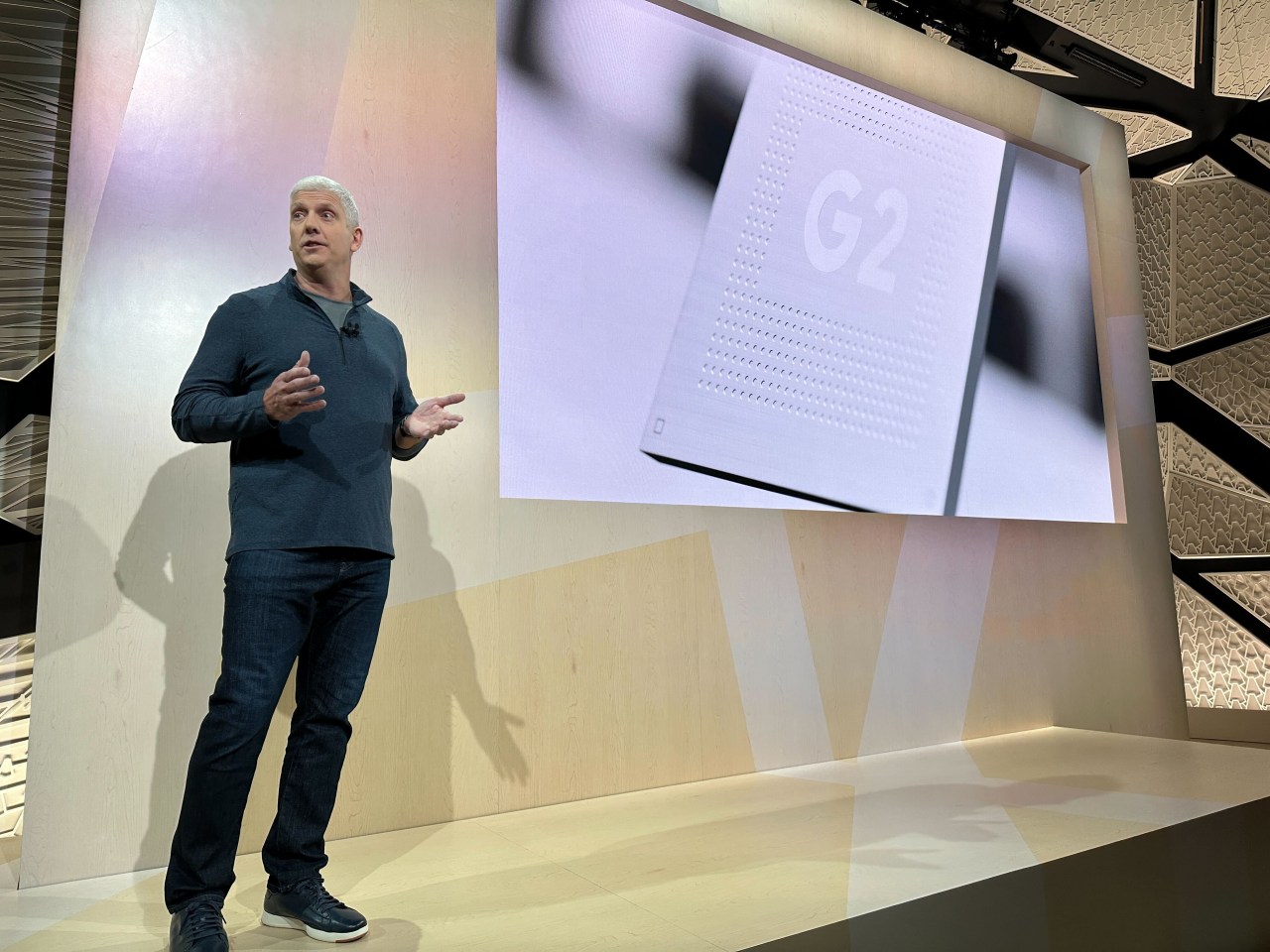
Today marks a new era in the smartphone and wearable technology space as Google unveils its latest offerings, including the highly anticipated Pixel 7 series and the debut of the Pixel Watch. At the heart of these devices lies the Tensor G2 processor, Google’s second-generation chip that builds upon the foundation set by its predecessor. While many expected revolutionary changes, Google seems to have taken a conservative approach, focusing more on refinement than radical reinvention. Let’s dive into what the Tensor G2 brings to the table and how it positions Google within the competitive tech landscape.
A Familiar Architecture: Incremental Changes
For those closely following Google’s hardware developments, the Tensor G2 won’t come as a surprise. The architecture mirrors its predecessor but introduces some enhancements that promise better performance without straying too far from established norms. Here’s a quick breakdown of its components:
- Two Arm Cortex X1 super-big cores
- Two big Arm Cortex A78 cores (an upgrade from A76 in Tensor G1)
- Four smaller Arm Cortex A55 cores, continuing from the previous generation
The decision to retain the A55 cores raises questions about innovation, as many anticipated a more significant shift. However, Google’s intention appears to be fine-tuning an already-sound platform to deliver experienced results in day-to-day use.
Enhanced Machine Learning Capabilities
One of the standout features of the Tensor G2 is the focus on machine learning enhancements. While the core structure remains relatively similar, Google’s custom TPU (Tensor Processing Unit) promises to elevate performance by up to 60% for specific machine learning tasks and improve efficiency by 20%. This boost is not merely a technical specification; it translates into tangible user benefits like improved computational photography and real-time translations in varied applications.
Google’s emphasis on machine learning allows features like Night Sight, which enables low-light photography, to work much faster—reportedly delivering images at twice the speed of previous generations. Additionally, Face Unblur and Super Res Zoom underscore the company’s commitment to pushing the envelope in photography, making the Pixel 7 Pro capable of capturing stunning shots even in challenging conditions.
Graphics Performance: A Noteworthy Upgrade
Users of the Tensor G2 can also look forward to enhanced graphics performance, thanks to an upgraded Arm Mali G710 GPU. This upgrade is particularly significant for gamers and content creators, providing smoother experiences and faster rendering capabilities. As the demand for high-quality mobile gaming and multimedia continues to rise, this improvement positions the Pixel 7 series as a competitive option for all types of users.
Battery Life: A Strategic Trade-off
One of the most critical aspects of any smartphone is battery life, and Google is touting an impressive 24-hour battery performance for its Pixel 7 line. By sticking to a familiar architecture, Google can leverage its deep understanding of its hardware to optimize battery consumption effectively. This strategic decision is a trade-off worth noting as it offers users demanding performance while ensuring longevity throughout the day.
Security First with Titan M2
No smartphone is complete without a robust security framework, and Google’s inclusion of the Titan M2 security chip in the Pixel 7 series emphasizes their commitment to user safety. As the digital landscape evolves, ensuring that user data remains protected in an increasingly connected world is non-negotiable, and this chip enhances that capability significantly.
Conclusion: A Balanced Approach to Innovation
While the Tensor G2 processor may not appear groundbreaking at first glance, it signifies Google’s deliberate choice to refine existing technology and further enhance its ecosystem. By fortifying machine learning capabilities, improving graphics performance, and ensuring rigorous security practices, Google is laying down the groundwork for future advancements in its hardware lineup. The Pixel 7 series isn’t just about new features; it’s about evolving the user experience in a meaningful way.
At fxis.ai, we believe that such advancements are crucial for the future of AI, as they enable more comprehensive and effective solutions. Our team is continually exploring new methodologies to push the envelope in artificial intelligence, ensuring that our clients benefit from the latest technological innovations.
For more insights, updates, or to collaborate on AI development projects, stay connected with fxis.ai.