
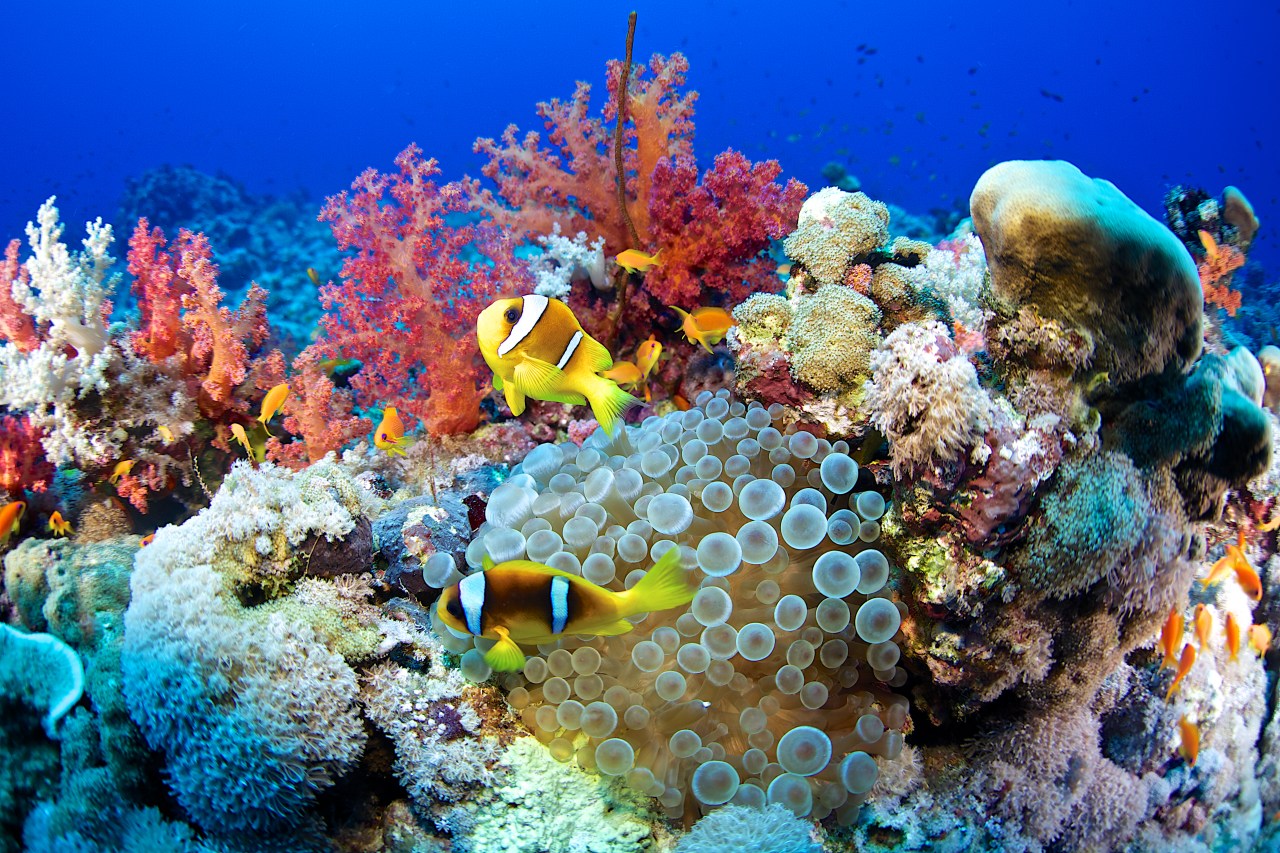
As concerns over climate change and biodiversity loss continue to rise, innovative solutions are needed to protect our planet’s delicate ecosystems. Google has stepped up to the challenge with an exciting new AI tool, SurfPerch, designed to assist marine biologists in understanding and preserving coral reef ecosystems. By blending cutting-edge technology with citizen science, Google aims to illuminate the hidden sounds of coral reefs and enhance our efforts in marine conservation.
Introducing SurfPerch: A New Era for Marine Biology
Developed through a collaboration between Google Research and DeepMind, SurfPerch is at the forefront of a revolutionary approach to marine biology. This AI tool has been trained on an extensive dataset consisting of thousands of hours of audio recordings from coral reefs around the world. With SurfPerch, scientists can now “hear reef health from the inside,” enabling them to monitor the activity of these vital ecosystems even during the dark hours of the night or in challenging underwater conditions.
The Power of Crowdsourcing
One of the remarkable aspects of the SurfPerch project is its reliance on public participation. By inviting users to listen to reef sounds via the Calling in our Corals website, Google transformed everyday individuals into contributors in the realm of scientific research. Users were encouraged to click every time they heard a fish sound, effectively generating over 400 hours of valuable bioacoustic data. This collective effort has produced a rich library of fish sounds, allowing for precise fine-tuning of the SurfPerch AI tool.
Transforming Data into Insights
With the groundwork laid by the crowdsourced audio, SurfPerch’s capabilities have expanded significantly. The AI model has not only been able to process various datasets more efficiently—eliminating the need for resource-intensive GPU training—but it also leverages unique connections in nature. Remarkably, researchers discovered that recordings of bird sounds could enhance the performance of SurfPerch. By identifying common patterns between bird songs and fish sounds, scientists gained a more profound understanding of marine environments.
- Analyzing differences between protected and unprotected reefs in the Philippines
- Tracking restoration efforts in Indonesia
- Understanding fish community dynamics on the Great Barrier Reef
Continued Progress and Future Prospects
As the project advances, new audio data continues to pour into the Calling in our Corals website, which allows SurfPerch to keep evolving and refining its analysis capabilities. This development not only contributes to coral reef conservation but also inspires further exploration into the ecosystems they support. The potential of AI in unraveling the complexities of marine biology could be the key to more effective conservation strategies worldwide.
Conclusion: A Call to Action for Marine Conservation
The development of AI tools like SurfPerch exemplifies how technology can be harnessed to significantly enhance marine conservation efforts. By providing new insights into coral reef health, researchers can address pressing ecological issues that threaten these vital ecosystems, aligning technology with environmental stewardship.
At fxis.ai, we believe that such advancements are crucial for the future of AI, as they enable more comprehensive and effective solutions. Our team is continually exploring new methodologies to push the envelope in artificial intelligence, ensuring that our clients benefit from the latest technological innovations.
For more insights, updates, or to collaborate on AI development projects, stay connected with fxis.ai.