
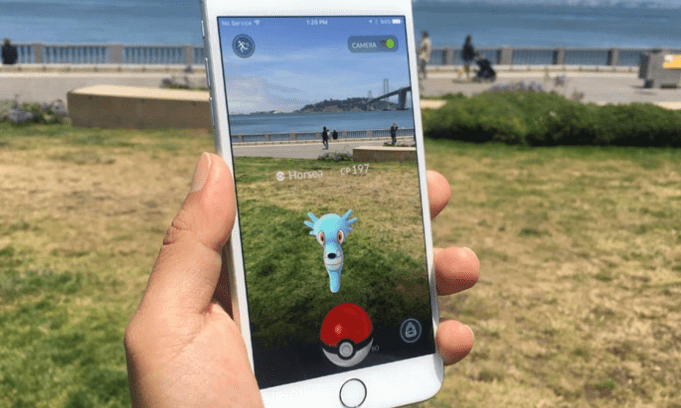
The world of augmented reality (AR) has taken considerable strides since the launch of Pokémon GO, but Niantic is preparing to raise the bar even higher. By tapping into its massive player community, Niantic’s groundbreaking approach to AR maps promises not only to redefine gaming but also to foster new social interactions and experiences in our everyday environments. In this blog post, we explore the implications of Niantic’s vision and how crowdsourced AR mapping could change our perception of interactive technology.
The Next Step in Augmented Reality
When Pokémon GO burst onto the scene in 2016, it did more than just reignite people’s love for Pokémon; it ushered in a new era for augmented reality applications. Niantic has always envisioned more than just a casual gaming platform; the company aims to create a holistic AR ecosystem that is user-driven.
According to CEO John Hanke, the goal is for players to construct the game board they wish to engage with, leading to an unprecedented level of interaction. Niantic’s initiative centers on public spaces, cleverly leveraging parks and community areas that locals are already familiar with. This concept lays the groundwork for a richer, more immersive experience in our urban landscapes.
From Gamers to Map Creators
As Niantic sets the stage for crowdsourced AR mapping, it beckons players to transition from mere gamers to creators, effectively allowing them to shape the AR world around them. This interactive involvement instills a sense of ownership and community among users, thus encouraging new social dynamics. It is expected that participants will be able to contribute geographical data and information about landmarks, events, and even hidden gems in their locality.
The Technology Behind the Maps
To enable this groundbreaking project, Niantic has acquired technology from Escher Reality, which specializes in creating scalable AR solutions. The firm’s innovations could enhance how environments are mapped and recognized by devices. As more players contribute to this crowdsourced platform, the data will improve, enriching the AR experience for everyone involved.
Potential Collaborations and Future Applications
As AR continues to gain traction, industries beyond gaming stand to benefit significantly from this crowdsourced mapping approach. Retail businesses, tourism boards, and event organizers could harness this interactive mapping technology to engage with potential customers in novel ways. Imagine a tourist being guided by an AR application filled with local insights penned by other travelers or locals. This collaborative effort could pave the way for smarter cities, with businesses leveraging shared data to optimize services directly for the community’s needs.
The Role of Major Players
With tech giants like Google anew emphasizing AR capabilities through platforms like ARKit and ARCore, the demand for such collaborative features is expected to grow. As Niantic pushes forward with this initiative, it aligns itself with the broader tech industry goals of creating more streamlined, user-centered AR applications. This cooperative future could see brands working together in ways we haven’t yet imagined.
Conclusion: The Future of AR is Collaborative
Niantic’s ambition to crowdsource AR maps is poised to transform not just gaming, but the way we interact with our environments altogether. As players evolve into community builders, augmented reality will serve as the bridge that connects individuals not only to games but to each other and their local surroundings. By embracing crowdsourcing, Niantic is not just shaping the future of AR; it is actively inviting users into the narrative of technology development, creating a community-centric approach that could drive innovation to new heights.
At fxis.ai, we believe that such advancements are crucial for the future of AI, as they enable more comprehensive and effective solutions. Our team is continually exploring new methodologies to push the envelope in artificial intelligence, ensuring that our clients benefit from the latest technological innovations. For more insights, updates, or to collaborate on AI development projects, stay connected with fxis.ai.