
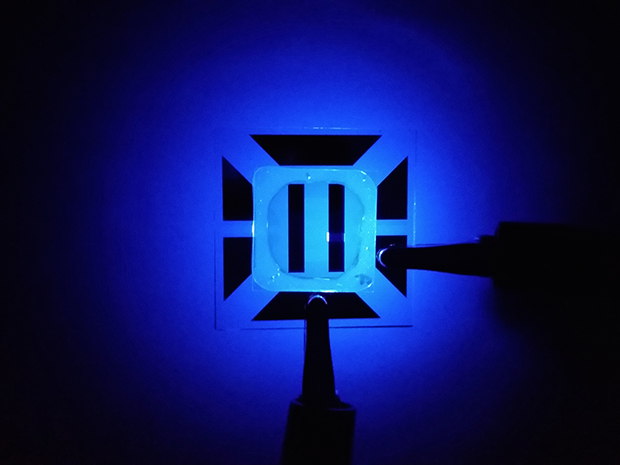
In our ever-evolving tech landscape, display technology stands out as one of the most exciting fields of innovation. Traditional LED screens, while effective, have constraints that OLED (Organic Light Emitting Diode) displays aim to challenge. At the forefront of this challenge is the quest for the perfect blue organic phosphor, a vital player that has proved elusive for years. But with machine learning approaches likened to “molecular Tinder,” researchers from Harvard and MIT are optimistic about turning this challenge into a success story.
The Quest for Blue Light
OLED technology offers distinct advantages over standard LED displays, including reduced thickness, flexibility, and energy consumption. However, the quest for a suitable blue organic phosphor—the component needed for producing blue light—remains an ongoing struggle. Existing blue phosphors are not only expensive but also suffer from stability issues, making them unsuitable for broader adoption.
Understanding the Molecule’s Challenge
Molecules are incredibly diverse, resembling a vast array of athletes, each with unique strengths and weaknesses. Like finding a triathlete who can perform in swimming, running, and cycling, the challenge lies in discovering a molecule that is bright, stable, and capable of emitting blue light. Researchers have built a library consisting of approximately 1.6 million organic molecules with the potential to meet these criteria.
The Role of Machine Learning
To sift through this immense library, the researchers employed machine learning algorithms. Led by Ryan Adams from Harvard, these neural networks prioritized potential candidates, acting like an efficient filter to help narrow down possibilities. Co-author David Duvenaud explained, “Since the early stages of our chemical design process starts with millions of possible candidates, there’s no way for a human to evaluate and prioritize all of them.”
The “Molecular Tinder” Methodology
A fascinating twist in the research process came with the playful nickname “molecular Tinder.” Once the machine learning phase narrowed the candidates down to about 2,500 promising molecules, the team created summary cards comparing the properties of each. Researchers from Harvard, MIT, and the Samsung Advanced Institute of Technology then voted on which molecules showed the most promise. This creative approach highlights how the synergy of human intuition and machine efficiency can lead to significant breakthroughs.
- Efficiency: Machine learning algorithms streamline the process of prioritizing candidates.
- Collaboration: Human researchers apply their expertise in evaluating the most promising options.
- Innovation: The name “molecular Tinder” injects a sense of fun and modernity into a scientific endeavor.
The Future of OLED Displays
While it’s unlikely that these newly identified molecules will make their debut in the next iPhone’s OLED conversion, they represent a pivotal moment in the ongoing evolution of display technology. The implications stretch beyond OLEDs, promising innovations in various fields such as solar energy, organic lasers, and flow batteries.
Conclusion
The intersection of machine learning and molecular chemistry signifies a robust future for OLED technology, where the dream of efficient, cost-effective solutions might soon become reality. Researchers are enthusiastic about the potential for accelerated molecular design, paving the way for smarter, more functional display technology.
At fxis.ai, we believe that such advancements are crucial for the future of AI, as they enable more comprehensive and effective solutions. Our team is continually exploring new methodologies to push the envelope in artificial intelligence, ensuring that our clients benefit from the latest technological innovations. For more insights, updates, or to collaborate on AI development projects, stay connected with fxis.ai.