
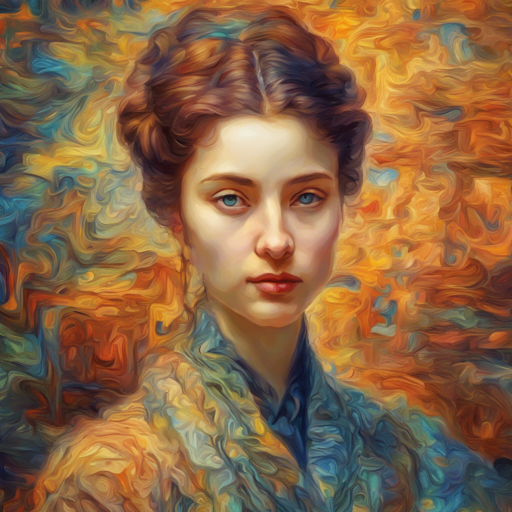
In the world of deep learning, Artistic Style Transfer stands as a fascinating technique. Using the power of convolutional neural networks (CNNs), you can blend the content of one image with the style of another, creating marvelous artistic pictures. In this guide, we will walk through how to use the neural-style-tf implementation to bring your creative visions to life.
Getting Started: Setup and Dependencies
Before diving into the artwork, make sure you have everything in place.
- Dependencies:
- Optional (but recommended) dependencies:
After installing these dependencies, you’ll need to download the VGG-19 model weights and include them in your project directory.
Basic Usage: Applying Styles to Images
Here’s how you can start with a single image:
- Place a content image in the default image content directory
.image_input. - Put one or more style images in the directory
.styles. - Run the script using:
- Example:
- Copy your content video to
.video_input. - Transfer your style images to
.styles. - Execute the following command:
- Example:
- Ensure all dependencies are installed correctly and match the versions stated.
- Check the syntax of your command for any missing arguments.
- Monitor your system’s memory usage, especially with large images or videos – reducing the size might help.
- If using a GPU, verify that your CUDA and cuDNN versions are compatible.
- For more insights, updates, or to collaborate on AI development projects, stay connected with fxis.ai.
bash stylize_image.sh path_to_content_image path_to_style_imagebash stylize_image.sh .image_input/lion.jpg .styles/kandinsky.jpgSupported formats include .png, .jpg, etc. Ensure that the image paths do not contain the ~ character.
Advanced Features: Video and Multiple Styles
To make your style transfer even more dynamic, you can also work with videos or multiple style images. To apply styles to video frames, follow these steps:
bash stylize_video.sh path_to_video path_to_style_imagebash stylize_video.sh .video_input/video.mp4 .styles/kandinsky.jpgUnderstanding the Inner Workings
The underlying process can be compared to a skilled artist mixing paint. Imagine trying to create a new masterpiece by blending the content of a photograph with the whimsical brush strokes of Van Gogh’s style. The algorithms break down the two images into fundamental features, much like a painter distinguishing between hues and strokes, and recombine them into a beautiful new creation.
Troubleshooting Tips
If you encounter issues while using this tool, consider the following:
Conclusion
In essence, neural-style-tf provides a robust framework for creating artistic images powered by neural networks. Whether you’re a tech enthusiast or a digital artist, the possibilities are endless.
At fxis.ai, we believe that such advancements are crucial for the future of AI, as they enable more comprehensive and effective solutions. Our team is continually exploring new methodologies to push the envelope in artificial intelligence, ensuring that our clients benefit from the latest technological innovations.