
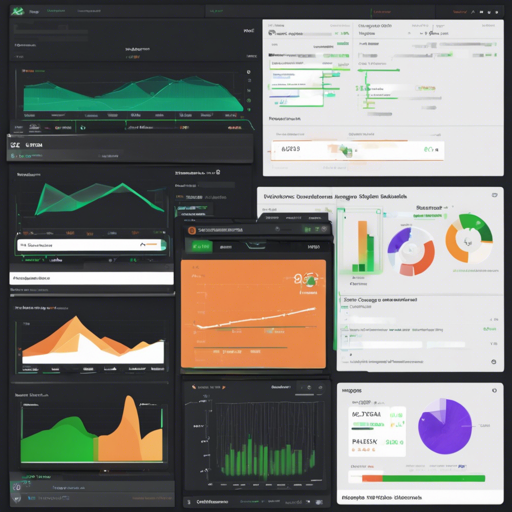
Welcome to the world of Grafana dashboards, where visibility and monitoring meet efficiency, especially for Kubernetes and AWS environments! If you’re looking to improve your current metrics visualizations, keep reading as we dive into the process of setting up a robust Grafana dashboard specifically designed for Nginx Ingress using Prometheus metrics.
Overview of Kubernetes – Nginx Ingress Dashboard
This dashboard is a culmination of countless iterations driven by the need for improved visibility in monitoring Nginx Ingress. It acts as a beautiful visual heartbeat of your system, allowing DevOps teams to get instant insights into their traffic usage and reliability metrics.
Setting Up Your Dashboard
To create your own enhanced Grafana dashboard for Kubernetes Nginx Ingress, follow these steps:
- Prerequisites:
- You should have Nginx Ingress installed on your Kubernetes cluster.
- Ensure Prometheus is configured to scrape metrics from Nginx Ingress.
- Install Grafana:
Set up Grafana either locally or on a server to host your metrics dashboards.
- Import the Dashboard:
Use the ID of the Nginx Ingress Dashboard to import it into Grafana. This dashboard acts as a template for your metrics visualization.
Key Features of the Nginx Ingress Dashboard
The dashboard comes with several exciting features that make monitoring a breeze:
- A visual display of percentage success that changes color based on reliability.
- Instant insights into traffic usage over the last 2 minutes.
- Access to latency percentiles, averages, and heatmaps.
- The ability to analyze HTTP requests, highlighting the ingress with the highest load.
- Future-proof support for multi-namespace configuration in Nginx Ingress.
Understanding the Code: An Analogy
Now, let’s imagine building this dashboard as creating a beautiful garden in your backyard. Just like you need to plant different kinds of flowers, trees, and shrubs (the different metrics) in specific arrangements to make it visually appealing and healthy, the dashboard allows you to gather various metrics related to your Kong Nginx Ingress. Each flower serves a purpose — from beautifying the garden to attracting beneficial insects — just like each metric serves a purpose in helping you monitor the performance of your applications.
// Importing necessary libraries and components
import { Dashboard } from 'grafana';

// Defining the configurations
const config = {
   server: 'http://my-prometheus-server',
   version: 'latest'
};

// Rendering the dashboard
const nginxIngressDashboard = new Dashboard(config);
nginxIngressDashboard.render();
Troubleshooting Tips
Here are a few troubleshooting ideas if you encounter issues:
- Metrics Not Displaying: Ensure that Prometheus is correctly scraping metrics from the Nginx server.
- Dashboard Errors: Check the configuration settings and confirm you have imported the correct dashboard ID.
- Color Indicators Not Working: Review the thresholds set for success percentages in your metrics.
- General Connectivity Issues: Verify that your dashboard instance can communicate with both Prometheus and Kubernetes.
For more insights, updates, or to collaborate on AI development projects, stay connected with fxis.ai.
Conclusion
By setting up a tailored Grafana dashboard for your Kubernetes Nginx Ingress, you’ve paved your way to DevOps Nirvana, creating a seamless monitoring experience. As you embrace these practices, remember that each visualization you create is a step towards effective system management and optimized performance.
At fxis.ai, we believe that such advancements are crucial for the future of AI, as they enable more comprehensive and effective solutions. Our team is continually exploring new methodologies to push the envelope in artificial intelligence, ensuring that our clients benefit from the latest technological innovations.