
In the rapidly evolving world of artificial intelligence, clearly documenting your models is of paramount importance. A model card provides essential information about your model, making it easier for others to understand its purpose, functionalities, and limitations. This article will guide you through creating a model card, taking inspiration from a template utilized for a unique model called SadTalker.
What is SadTalker?
SadTalker is an innovative AI model designed to serve as a foundational template for new models. This model card is particularly crucial for developers, researchers, and practitioners who wish to create their own model cards based on established templates. To grasp the essence of what creating a model card involves, let’s explore what this entails.
Steps to Create a Model Card
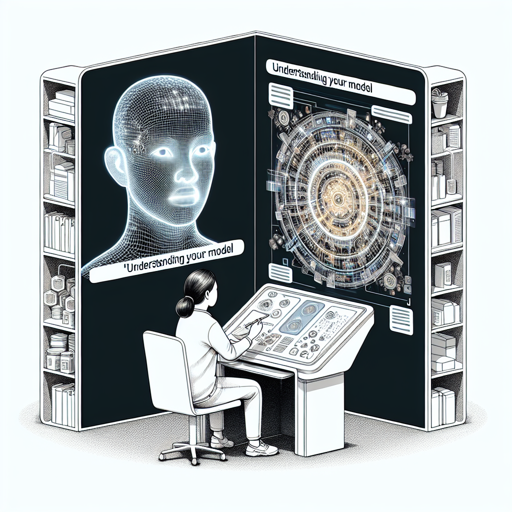
- Understand Your Model: Before documenting your model, ensure you have a solid understanding of its functions, components, and target audience.
- Use a Template: Start with a well-structured model card template. In the case of SadTalker, it uses a raw template sourced from Hugging Face.
- Provide a Clear Summary: Offer a concise overview of your model’s capabilities. For example, “This model card serves as a base template for new models.”
- Links to Resources: Include links to relevant resources for users wishing to explore or contribute further, as seen in the case of SadTalker from GitHub.
Analogizing the Process
Creating a model card is much like crafting a recipe in a cookbook. Just as a recipe lists the ingredients (model components), instructions (how the model works), and serving suggestions (applications), a model card encapsulates the model’s purpose, capabilities, and potential applications. By following a consistent “recipe” or template, developers can ensure their model cards are both informative and user-friendly.
Troubleshooting Tips
While creating your model card, you may encounter some challenges. Here are a few troubleshooting ideas:
- If you find it difficult to summarize your model succinctly, try explaining it to a non-technical friend first.
- Ensure that all links in your model card are correct and accessible. Test them to verify they lead to the intended resources.
- If you’re stuck on how to describe certain functionalities, refer back to the raw model card template or look at other model cards for inspiration.
For more insights, updates, or to collaborate on AI development projects, stay connected with fxis.ai.
Final Thoughts
At fxis.ai, we believe that such advancements are crucial for the future of AI, as they enable more comprehensive and effective solutions. Our team is continually exploring new methodologies to push the envelope in artificial intelligence, ensuring that our clients benefit from the latest technological innovations.