
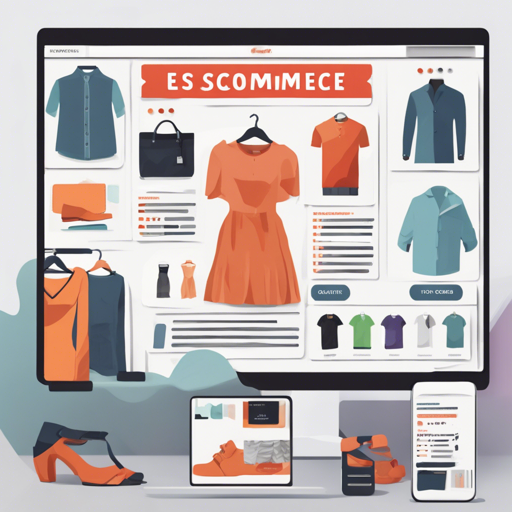
Creating a responsive e-commerce website can often feel like sewing your first dress: it involves precision, creativity, and a good understanding of your materials. In this guide, we’ll walk through the essential components needed to develop a stunning e-commerce platform that can attract and convert visitors into buyers.
Overview of Features
When crafting your e-commerce site, ensure it includes the following features:
- A responsive webpage design with smooth animations
- Well-authenticated contact, login, and signup forms
- Multiple categories for different clothing types
- An engaging footer for additional information and links
- A secure payment page
- A user-friendly cart page
1. Responsive Design and Animations
Responsive design is like a tailor who can adjust the fit of a garment for any body shape—it ensures your website looks great on all devices. Incorporate smooth animations that enhance user experience without overwhelming the visitor.
2. User Authentication Forms
To protect user data, create robust login, signup, and contact forms. Think of this as knitting a security layer around your website—a protective shawl that keeps your customers’ information safe.
3. Clothing Categories
Organizing your clothing offerings into categories can be likened to sorting a wardrobe by seasons. This keeps the user experience intuitive and allows shoppers to find what they are looking for quickly.
4. Engaging Footer
The footer is the trim around the hem of your outfit—it ties everything together! Include links to privacy policies, terms of service, and social media handles to keep customers informed.
5. Secure Payment Page
Your payment page should provide a seamless and secure transaction experience, akin to a well-guarded fitting room that ensures privacy and security for your customers while they finalize their purchases.
6. User-Friendly Cart Page
The cart page acts as the checkout assistant, guiding customers through their final decisions. Ensure that it is visually appealing and clearly displays items, prices, and total costs—just like a neatly organized shopping basket.
Screenshots
Here are some visual examples of what your e-commerce website could look like:


Troubleshooting Tips
Even the best-designed websites can run into issues. Here are some troubleshooting ideas:
- Check responsiveness by viewing your site on various devices; if it’s not scaling, revisit your CSS media queries.
- If forms aren’t authenticating, ensure your validation methods are correctly implemented.
- For payment errors, verify your SSL certificate is correctly set up.
- If animations are stuttering, consider simplifying them or optimizing images.
For more insights, updates, or to collaborate on AI development projects, stay connected with fxis.ai.
Conclusion
Building a responsive e-commerce site is much like crafting a fashion collection: it requires an eye for detail, understanding user experience, and continuously updating your design to keep up with trends. At fxis.ai, we believe that such advancements are crucial for the future of AI, as they enable more comprehensive and effective solutions. Our team is continually exploring new methodologies to push the envelope in artificial intelligence, ensuring that our clients benefit from the latest technological innovations.