
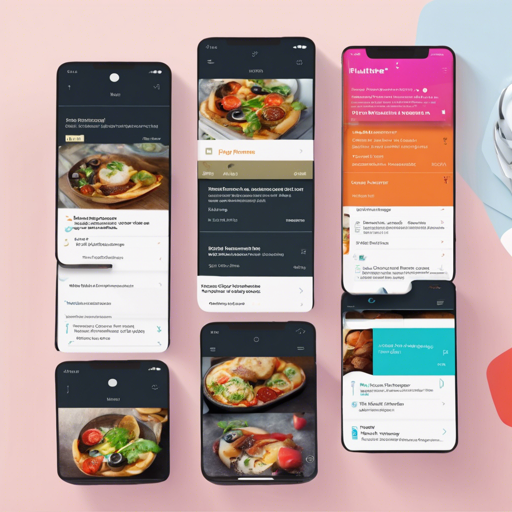
If you’re looking to create a dynamic and visually appealing menu app for your restaurant or food business, you’ve come to the right place! In this article, we’ll walk you through setting up a fantastic menu app using Flutter, all while ensuring your coding experience is smooth and enjoyable!
Step 1: Setting Up Your Development Environment
Before we dive deep, make sure you have the following prerequisites:
- Flutter installed on your machine
- Access to a terminal
- Basic understanding of Dart programming language
Getting Started with Your Menu App
Now that you’re all set up, let’s get right to it. Here’s a step-by-step guide:
- Install Flutter: If you haven’t installed Flutter yet, visit Flutter Setup.
- Clone the Repository: Open your terminal and clone the repository using:
git clone https://github.com/Solido/awesome-flutterflutter run --releaseFeatures of the Menu App
This menu app comes with an array of exciting features including:
- Background colors that switch based on the PageView
- Custom tab indicators for an enhanced user experience
- A cart animation that brings your app to life
- Ability to increment and decrement food item quantities
- Smooth hero animations when navigating to secondary screens
Understanding the Code – An Analogy
Think of your Flutter app as a beautiful restaurant. Each dish on your menu represents a feature you want to showcase, and just like in a restaurant, each dish is prepared with particular ingredients (lines of code) blended perfectly together to create a delightful experience for your customers (users).
Your main file is the chef, orchestrating the entire kitchen (the app). With each function, the chef decides which ingredients (data elements) to combine, bake, and serve (render) to ensure every customer leaves happy and satisfied. Just like a chef’s signature dish, your app will have its unique flair and style!
Troubleshooting Tips
While developing your menu app, you might encounter some issues. Here are some common problems and their solutions:
- Issue: The app won’t run after cloning.
- Solution: Ensure Flutter is correctly installed and your terminal recognizes the flutter command. Try restarting your IDE.
- Issue: UI elements not displaying as expected.
- Solution: Review your code for any misconfigured widgets, and make sure all dependencies are correctly loaded.
- Tip: For detailed help with Flutter, check the official documentation.
For more insights, updates, or to collaborate on AI development projects, stay connected with fxis.ai.
Conclusion
Building your own menu app with Flutter opens doors to creativity and innovative design. By following the steps and tips provided above, you’ll not only create an attractive application but also enjoy the process. At fxis.ai, we believe that such advancements are crucial for the future of AI, as they enable more comprehensive and effective solutions. Our team is continually exploring new methodologies to push the envelope in artificial intelligence, ensuring that our clients benefit from the latest technological innovations.
Your Next Steps
Now that you have the framework for your menu app, feel free to expand its capabilities, design more engaging UI elements, and add even more delightful features to your app. Happy coding!