
The xlm-roberta-longformer-base-16384 model is a remarkable architectural blend of the Longformer and XLM-RoBERTa, designed to provide a robust performance across multiple languages. In this blog post, we will delve into how you can effectively fine-tune this model for your own downstream tasks.
Understanding the Model Architecture
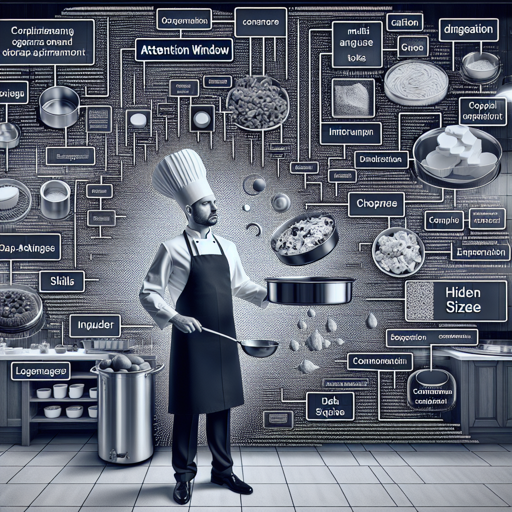
Before we embark on fine-tuning, it helps to visualize the model’s structure with an analogy. Think of the xlm-roberta-longformer as a multi-language chef in a vast kitchen. Here’s how the different components of the model work together:
- Attention Window: This acts like the chef’s focus area—allowing him to zero in on ingredients (information) surrounding him without getting overwhelmed by the entire kitchen (or input sequence).
- Hidden Size: This can be likened to the chef’s skill set—the number of tools (parameters) he has at his disposal determines how well he can prepare various dishes (interpret different languages).
- Number of Hidden Layers: These layers can be compared to the different cooking techniques the chef employs; the greater the number, the more complex and refined the dishes (outcomes) he can create.
- Model Max Length: This parameter refers to the maximum ingredients he can handle at once; a longer length allows the chef to create bigger, more intricate meals (process longer texts).
Fine-tuning the Model
To fine-tune the xlm-roberta-longformer-base-16384 model, you’ll typically follow these steps:
- Ensure you have the following framework versions installed:
- Transformers: 4.26.0
- TensorFlow: 2.11.0
- Tokenizers: 0.13.2
- Load the model and tokenizer using the appropriate library, such as Hugging Face Transformers.
- Preprocess your multilingual dataset for training.
- Set up the training parameters and start the fine-tuning process.
- Evaluate the model’s performance on a validation set and make adjustments as necessary.
Troubleshooting
While fine-tuning your model, you may encounter issues. Here are some troubleshooting ideas:
- Insufficient Memory: If you run into memory issues, try reducing the batch size or model max length.
- Training Speed: If training is too slow, consider utilizing a GPU for faster computation.
- Tuning Parameters: Adjust learning rates or optimizers if the model isn’t converging well.
For more insights, updates, or to collaborate on AI development projects, stay connected with fxis.ai.
Conclusion
At fxis.ai, we believe that such advancements are crucial for the future of AI, as they enable more comprehensive and effective solutions. Our team is continually exploring new methodologies to push the envelope in artificial intelligence, ensuring that our clients benefit from the latest technological innovations.