
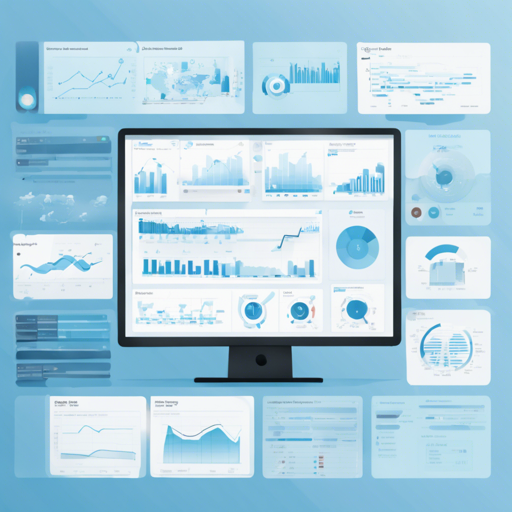
In the realm of web development, creating a visually appealing and functional admin dashboard can sometimes feel like painting a masterpiece. With the Light Blue Dashboard, a free and open-source template, you have the perfect canvas to express your creativity while managing your application efficiently.
What is the Light Blue Dashboard?
The Light Blue Dashboard is a stunning admin dashboard template designed with transparency and responsiveness in mind, built using Bootstrap. This template not only offers a limited free version but also provides full versions built with various frameworks such as React and Angular. With this versatile tool, you can create dynamic and user-friendly business software interfaces.
Key Features
- Bootstrap SCSS
- Unique transparent design
- Responsive layout
- Styled Bootstrap components (buttons, modals, etc.)
- Dashboard samples
- Typography
- Data tables
- Notifications
- Base charts
- Icons and Maps
While the lite version offers these features, a variety of additional capabilities can be found in the full version.
Quick Start Guide
Starting with the Light Blue Dashboard is simple. Follow these steps for a seamless setup process:
1. Clone the Latest Version
Use the following command in your terminal to clone the dashboard:
git clone -o light-blue-dashboard -b master --single-branch https://github.com/flatlogic/light-blue-dashboard.git MyAppThen, navigate to your new project folder:
cd MyApp2. Install Dependencies
Install the project dependencies and developer tools:
yarn installbower install3. Install Grunt
To install Grunt globally, run:
yarn install -g grunt4. Build the Application
Build the application with the source files using:
gruntOpen dist/index.html in your browser to view your new web app. Remember, it’s vital to serve the page from a web server (like Apache or Nginx), or you may encounter issues with certain features.
5. Keep It Updated
If you want the dashboard to automatically compile styles and templates as changes are made, you can run:
grunt watchUnderstanding the Build Process: An Analogy
Imagine crafting a gourmet meal. Your ingredients (source files) are organized neatly on one side of your kitchen (project folder). The oven represents Grunt, the master chef, that combines these ingredients into a delicious dish (the built application). When you prepare a dish, you want to ensure you have everything prepared first (installing dependencies). Then, once you’re ready, you enter your kitchen and let the oven do the magic (running grunt) while it keeps an eye on things (grunt watch) to create continuous delightful servings as you add more ingredients.
Troubleshooting
When working on your project, you may encounter some common issues. Here are a few troubleshooting ideas:
- Make sure you are using the correct version of Node.js compatible with the dashboard.
- Ensure all dependencies are correctly installed. If you notice an error, try deleting the
node_modulesfolder and runyarn installagain. - If your dashboard doesn’t render correctly, check your browser console for any errors. It’s helpful for debugging.
For more insights, updates, or to collaborate on AI development projects, stay connected with fxis.ai.
Takeaway
With the Light Blue Dashboard, you have access to a powerful toolset that allows you to focus on what sets your application apart, instead of starting from scratch. This efficiency can significantly reduce development time and increase productivity.
At fxis.ai, we believe that such advancements are crucial for the future of AI, as they enable more comprehensive and effective solutions. Our team is continually exploring new methodologies to push the envelope in artificial intelligence, ensuring that our clients benefit from the latest technological innovations.
Conclusion
By leveraging the capabilities of the Light Blue Dashboard, you’re not only enhancing your development experience but also crafting an intuitive interface that your users will appreciate. Dive into the world of stylish admin dashboards and elevate your application today!