
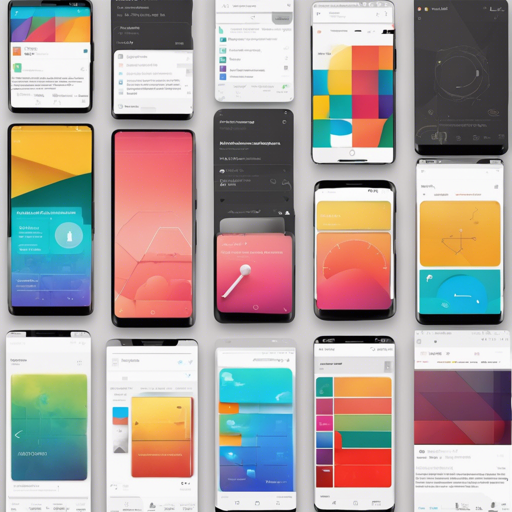
Welcome to your guide on integrating Carbon, an innovative Material Design implementation for Android 4.0 and newer! In this article, we will walk you through the process of getting started with Carbon and highlight its exciting features, installation steps, and common troubleshooting tips.
What is Carbon?
Carbon is not just another library; it is a custom implementation that enables developers to apply Material Design principles seamlessly across a range of APIs. By providing numerous features for enhancing user interfaces, Carbon alleviates some common pain points developers face with conventional Android UI elements.
Key Features of Carbon
- Custom item layouts for BottomNavigationView, TabLayout, and NavigationView
- DayNight themes for dynamic UI changes
- Animated shadows with an elevation system
- Rounded corners with content clipping
- Support for SVG with transformations
- Visibility and color state animations
Installation Guide
To get started with Carbon in your project, follow these steps:
- Add the Carbon dependency to your project’s build.gradle file:
- Sync your project with Gradle files to download the necessary libraries.
- Start using Carbon components in your XML layouts!
implementation 'com.zielony:carbon:0.17.0'Understanding Carbon’s Code Through Analogy
Think of Carbon as a mystical toolbox that not only contains several tools but also ensures that those tools work seamlessly together regardless of the age of the building (Android version) you’re working on. Just like a well-integrated smart home system where each device communicates effectively with others to create a harmonious environment, Carbon unifies the interface experience across different Android versions, reducing inconsistencies and annoying bugs. The components provided by Carbon allow you to design beautiful, effective, and responsive interfaces easily.
Troubleshooting Common Issues
As with any development project, you may encounter some challenges while using Carbon. Here are a few troubleshooting tips:
- If your customizations aren’t reflecting in the layout, ensure you have correctly referenced Carbon components in your XML.
- For issues related to animations or shadows, double-check that you are using the appropriate attributes as defined in the documentation.
- If you experience unexpected behavior on older Android versions, verify that the functionality you are trying to implement is supported in those APIs.
For more insights, updates, or to collaborate on AI development projects, stay connected with fxis.ai.
Conclusion
With Carbon, elevating your Material Design skills in Android development has never been easier! From advanced animation features to easy-to-use XML attributes, Carbon offers a well-rounded toolkit for enhancing user interfaces. Don’t hesitate to reach out for help or explore further documentation to maximize your experience with this wonderful library!
At fxis.ai, we believe that such advancements are crucial for the future of AI, as they enable more comprehensive and effective solutions. Our team is continually exploring new methodologies to push the envelope in artificial intelligence, ensuring that our clients benefit from the latest technological innovations.