
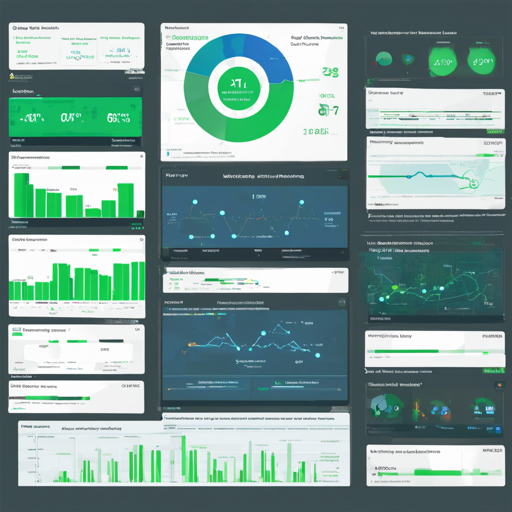
In the ever-evolving world of technology, monitoring is essential for maintaining the health and performance of your systems. This is where Opserver comes into play. Developed by the renowned team at Stack Exchange, known for Stack Overflow, Opserver is a powerful monitoring tool that provides insight into your infrastructure’s performance. In this article, we’ll explore how to get started with Opserver, offering user-friendly instructions and troubleshooting tips.
Getting Started with Opserver
To embark on your monitoring journey with Opserver, follow these simple steps:
- Step 1: Install Opserver – First, you’ll need to download and install Opserver. You can find the documentation for installation here.
- Step 2: Configuration – Once installed, the next step is configuration. This involves setting up your connections to the databases and servers you wish to monitor.
- Step 3: Launch Opserver – After configuration, launch the application. Visiting the specified URL will take you to the Opserver dashboard, where you can begin monitoring your infrastructure.
Understanding Opserver: An Analogy
Imagine you are a carpenter building a house. You have a range of tools at your disposal, each serving a specific purpose. Opserver is like the toolbox in this scenario. Each tool represents a different metric and monitoring aspect of your systems – from database performance to server health. Just as you would check each tool’s functionality before commencing your project, Opserver allows you to ensure that your digital infrastructure runs smoothly by monitoring various components effectively.
Troubleshooting Tips
Sometimes, things may not go as planned. Here’s how you can troubleshoot common Opserver issues:
- Issue: Opserver is not displaying data
Solution: Ensure your connections to the databases and other services are properly configured. Check the configuration file for any potential typos or incorrect connection strings. - Issue: Slow performance
Solution: Look into your server specifications. Opserver may require more resources if you are monitoring multiple services concurrently. Upgrading your server resources can improve performance. - Issue: Installation errors
Solution: Always refer to the documentation site for help with installation errors. Make sure you meet all prerequisites before installation.
For more insights, updates, or to collaborate on AI development projects, stay connected with fxis.ai.
Conclusion
Opserver stands as an admirable tool for keeping tabs on your infrastructure, ensuring everything functions seamlessly. With the easy steps above, you can become proficient in utilizing Opserver to its fullest potential.
At fxis.ai, we believe that such advancements are crucial for the future of AI, as they enable more comprehensive and effective solutions. Our team is continually exploring new methodologies to push the envelope in artificial intelligence, ensuring that our clients benefit from the latest technological innovations.