
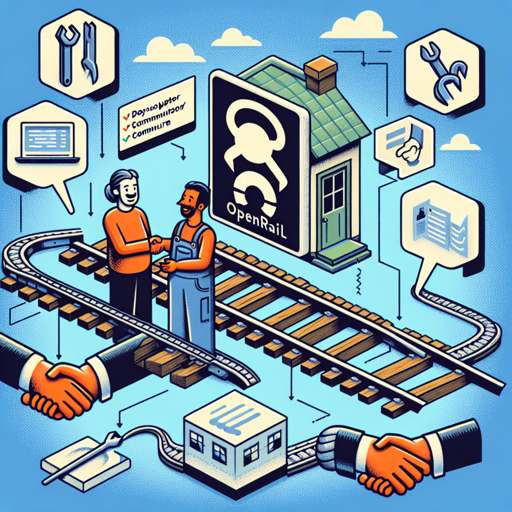
The OpenRail license may sound like a complex term, but fear not! In this article, we’ll break it down and illustrate how it works, making it accessible for everyone interested in programming and software licensing.
What is the OpenRail License?
The OpenRail license is a unique licensing framework that allows you, the developer, to share your software openly while retaining certain rights. Think of it as giving your neighbor permission to borrow your tools but ensuring they return them in good condition. This framework promotes collaboration and innovation in the software community.
Key Features of OpenRail License
- Flexibility: Allows software distribution while maintaining specific usage terms.
- Transparency: Encourages clear communication about how the software can be used.
- Community Engagement: Invites contribution from other developers, fostering a collaborative environment.
Why Should You Use OpenRail License?
Using the OpenRail license can dramatically enhance your software’s reach and collaboration. It can be especially beneficial if you’re looking to:
- Engage with a community of developers interested in similar projects.
- Improve your code with contributions from other talented programmers.
- Encourage transparency in your development process.
How to Implement OpenRail License in Your Project
Now that we understand the OpenRail license, let’s discuss how to implement it effectively in your project:
- Read and Understand the License: Before implementing the OpenRail license, make sure you understand its terms thoroughly.
- Add License Information: Include a LICENSE file in your project’s repository where you clarify the OpenRail license terms.
- Communicate with Your Community: Outline how you would like users and contributors to engage with the software.
- Encourage Contribution: Make it easy for others to contribute by providing guidelines and templates.
Analogy to Simplify Understanding
Imagine you own a beautiful garden filled with different types of flowers. You decide to share seeds with your neighbors but want to ensure they don’t take all the flowers and ruin your garden. By using the OpenRail license, you establish rules:
- Your neighbors can take seeds, but they must plant them back in gardens they care for.
- They can even share those seeds with others, but they have to inform them of the same rules.
- If they develop new varieties from your seeds, they must share those with you.
This collaborative gardening model thrives while ensuring everyone respects the original garden owner’s rights. That’s precisely what the OpenRail license achieves in the software realm!
Troubleshooting Common Issues
While implementing the OpenRail license, you might encounter some issues. Here are a few common challenges and solutions:
- Confusion About Licensing Terms: If your contributors or users are unsure about the license terms, hold a Q&A session or write comprehensive documentation.
- Inconsistent Contribution Guidelines: Make sure your guidelines are clear and accessible to everyone involved in the project.
- Maintaining Transparency: If project communication breaks down, utilize platforms where regular updates can be shared easily.
For more insights, updates, or to collaborate on AI development projects, stay connected with fxis.ai.
Conclusion
In conclusion, the OpenRail license serves as a bridge between freedom and responsibility in software development. By embracing this license, you can contribute to a richer and more collaborative programming environment.
At fxis.ai, we believe that such advancements are crucial for the future of AI, as they enable more comprehensive and effective solutions. Our team is continually exploring new methodologies to push the envelope in artificial intelligence, ensuring that our clients benefit from the latest technological innovations.