
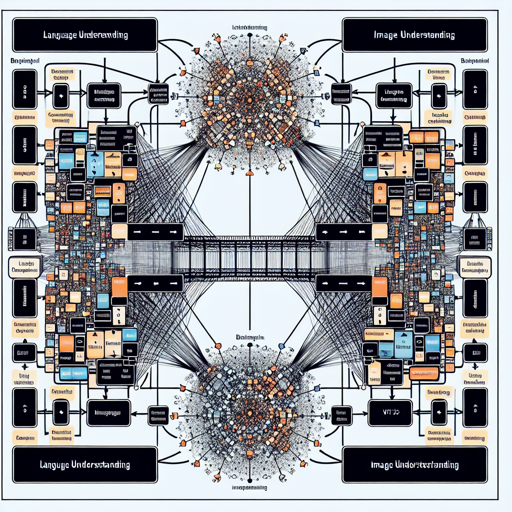
Welcome to the exciting world of CLIP-Spanish, a model designed to bridge the gap between language and images, specifically tailored for the Spanish-speaking community. Utilizing sophisticated components such as BERTIN for language processing and ViT for image encoding, CLIP-Spanish can revolutionize how we interact with content across various platforms. In this article, we’ll explore how to leverage this powerful model, troubleshoot common issues, and offer insights into its implementation.
Understanding the Components
CLIP-Spanish combines two key models:
- BERTIN: A language encoder that excels in understanding the nuances of the Spanish language.
- ViT-B/32: An image encoder employed from the CLIP framework that processes visual data efficiently.
Think of BERTIN as a skilled translator fluent in Spanish, while ViT is like an artist adept in visual expression. Together, they create a seamless correlation between spoken words and images, akin to how a storyteller weaves narratives with vivid illustrations.
Getting Started with CLIP-Spanish
To use CLIP-Spanish effectively, follow these steps:
- Ensure you have the necessary packages and dependencies installed. You can find the implementation details in the Flax repository.
- Clone the repository and navigate to the training scripts section. Refer to training.md for detailed instructions.
- Utilize the subset of 141,230 Spanish captions from the WIT dataset, which was specifically curated for training the model.
Key Contributors
This project was brought to life by:
Troubleshooting Common Issues
You may encounter some challenges while using CLIP-Spanish. Here are a few troubleshooting steps to consider:
- Installation Issues: Double-check the installation of all libraries. Refer to the documentation provided in the Community Week README.
- Model Training Errors: Make sure your data is formatted correctly according to the specifications mentioned in the training documentation.
- Memory Management: If you run out of memory during model loading or training, consider adjusting batch sizes or leveraging cloud resources.
For more insights, updates, or to collaborate on AI development projects, stay connected with fxis.ai.
Conclusion
CLIP-Spanish is a notable advancement for Spanish language interaction with visual content, typifying a blend of linguistic comprehension and image analysis. By following the steps outlined above and utilizing the troubleshooting tips, you’ll be well on your way to harnessing the full potential of this innovative model.
At fxis.ai, we believe that such advancements are crucial for the future of AI, as they enable more comprehensive and effective solutions. Our team is continually exploring new methodologies to push the envelope in artificial intelligence, ensuring that our clients benefit from the latest technological innovations.