
In the world of AI and social media, generating engaging content is essential. One fascinating approach is using the HuggingTweets model, designed to create tweets based on your favorite accounts. In this article, we’ll break down how you can leverage this model to craft tweets that fit into the world of interior design.
Understanding the Pipeline
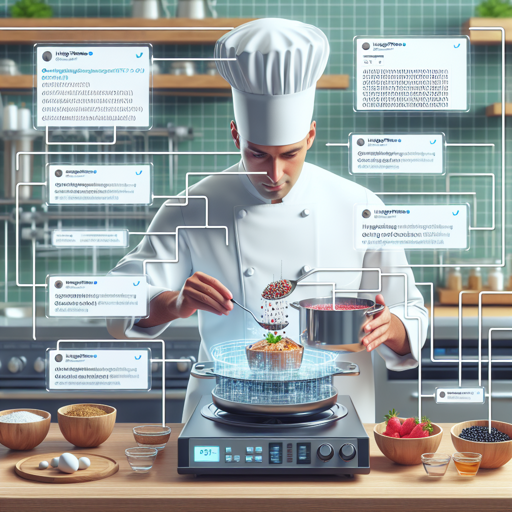
Before diving into implementation, it’s vital to grasp how the HuggingTweets model works. Think of it like a recipe for a gourmet dish. Each ingredient represents a piece of data that the model utilizes to produce a final meal— or, in this case, a tweet.
The model leverages a pipeline inspired by the GPT-2 architecture. Imagine a chef (the model) who has already mastered general cooking skills (GPT-2), but now fine-tunes them by focusing specifically on a cuisine—interior design tweets.
Setting Up the Model
Follow these steps to get started with generating tweets using HuggingTweets:
- Clone the repository from HuggingTweets GitHub.
- Open a Python environment with the necessary libraries installed.
How to Generate Tweets
It’s quite simple to generate tweets with this model. Here’s a little recipe you can follow:
from transformers import pipeline

generator = pipeline("text-generation", model="huggingtweetsinteriordesign")

generator("My dream is", num_return_sequences=5)
In this code, you’re initiating a text generation pipeline. Just tell it what you want to start with—here we use “My dream is,” and it will create five unique responses. Think of it like asking the chef to create five dishes based on “My dream is.” Each dish will have a unique flavor based on the chef’s style!
Troubleshooting Tips
While setting up and using the HuggingTweets model is generally smooth sailing, you might run into a few hiccups. Here are some suggestions to consider:
- Ensure you have all the required libraries installed. If you encounter import errors, try re-installing the transformers library.
- If the model doesn’t generate text as expected, check the input you provided; sometimes a tweak in phrasing can yield vastly different outputs.
- Monitor your resource usage; models like these can be resource-intensive. Ensure your environment can handle it.
For more insights, updates, or to collaborate on AI development projects, stay connected with fxis.ai.
Understanding Model Limitations
Despite its capabilities, this model has limitations. It shares similar biases to GPT-2—meaning it reflects its training data’s perspectives. Remember, if you’re looking for completely unbiased output, you may need additional filtering or editing.
Summary
HuggingTweets creates a unique intersection between AI and social media, allowing users to generate engaging tweets that resonate within the realm of interior design. Following the pipeline and troubleshooting tips, you can harness this model effectively to achieve your content creation goals.
At fxis.ai, we believe that such advancements are crucial for the future of AI, as they enable more comprehensive and effective solutions. Our team is continually exploring new methodologies to push the envelope in artificial intelligence, ensuring that our clients benefit from the latest technological innovations.