
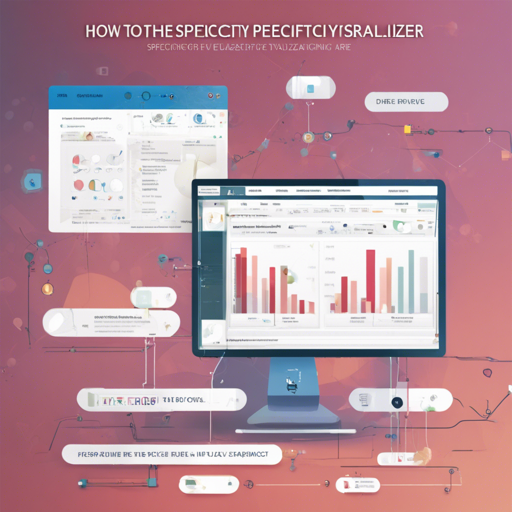
The Specificity Visualizer is an indispensable tool for web developers, allowing you to analyze CSS selectors with clarity and precision. This blog will walk you through the features, setup process, and tips for getting the most out of this innovative tool. If you are working with large and complex stylesheets, this visualizer is your new best friend!
What is the Specificity Visualizer?
The Specificity Visualizer provides a graphical representation of the specificity of CSS selectors. It helps you identify patterns, trends, and inconsistencies in your stylesheets quickly. The concept of the specificity graph, introduced by Harry Roberts, is the foundation of this tool.
Features
- A visually engaging presentation that changes how you perceive and interact with your stylesheets.
- Interactive data points that reveal exact selectors upon hovering and allow you to zoom into specific sections.
- Color-coded data points for easy differentiation between specificity categories.
- Screenshot capability to track your stylesheet’s progress over time.
- Accurate specificity calculations that respect CSS rules, ensuring that ID selectors are prioritized over class selectors.
Setting Up the Specificity Visualizer
To begin your journey with the Specificity Visualizer, follow these steps:
Prerequisites
Installation Steps
- Clone the repository by running the following command in your terminal:
git clone https://github.com/isellsoapspecificity-visualizer.git - Change into the directory:
cd specificity-visualizer - Run the application in development mode with the following command:
yarn start
Building the Application
If you want to build the application for production, simply run:
yarn buildHow to Use the Specificity Visualizer
Imagine you are a detective analyzing a crime scene. Each CSS selector is like a piece of evidence scattered around the area. By using the Specificity Visualizer, you’re essentially creating a clear crime scene map. You can hover over different pieces of evidence (data points) to inspect the details, zoom in on specific types of evidence (selectors), and even categorize evidence based on its significance (specificity). This way, you can construct a narrative (specificity hierarchy) of what led to the decision in your styling directions.
Troubleshooting
While using the Specificity Visualizer, you might encounter some issues. Here are a few troubleshooting tips:
- If the visualizer does not load, ensure that Node.js and Yarn are correctly installed.
- Check your internet connection; sometimes, a stable connection is essential for features that rely on fetching resources.
- If you face issues while cloning the repository, make sure Git is installed and properly configured on your machine.
For more insights, updates, or to collaborate on AI development projects, stay connected with fxis.ai.
In case of persistent issues, consult the community or GitHub repository for further assistance.
Conclusion
The Specificity Visualizer is a powerful tool for optimizing your CSS selectors, providing you with an essential advantage when dealing with intricate stylesheets. By effectively visualizing specificity, you can maintain cleaner and more efficient code. At fxis.ai, we believe that such advancements are crucial for the future of AI, as they enable more comprehensive and effective solutions. Our team is continually exploring new methodologies to push the envelope in artificial intelligence, ensuring that our clients benefit from the latest technological innovations.
Download the Visualizer
You can download the latest version of the website as a ZIP file by visiting this link.