
If you’re venturing into the fascinating world of AI voices and you’ve decided to use RVC v2, you’ve come to the right place. In this article, we’ll guide you through the process of utilizing all the AI voices I’ve trained using my GeForce NVIDIA RTX 3060 Ti. Whether you’re creating voiceovers for your projects, experimenting with different tone modulations, or venturing into content creation, this guide will help you navigate the setup easily.
Getting Started
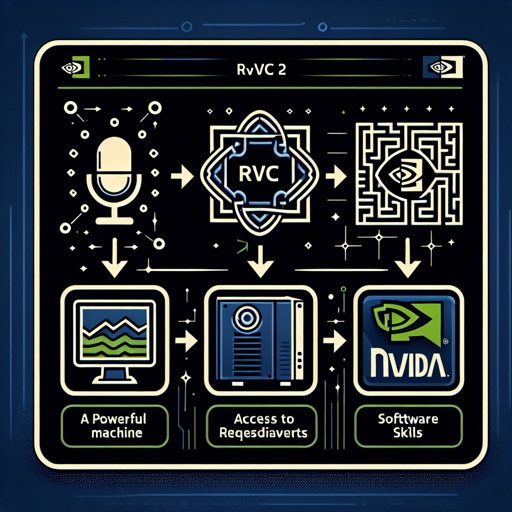
Before diving into the technical details, ensure that you have the following:
- A machine equipped with a GeForce NVIDIA RTX 3060 Ti or a comparable GPU.
- Access to the AI voices trained on RVC v2.
- Basic knowledge of downloading and using software from repositories.
Steps to Access AI Voices
Here’s how to get started with the AI voices:
- Clone the repository containing the AI voices:
- Navigate to the directory where the voices are stored:
- Load the AI voices using RVC v2 in your application or project.
git clone [repository-url]cd [directory-name]Experimenting with AI Voices
Once you have access to the voices, it’s time to play around with them. Here are some tips to explore:
- Voice Modulation: Apply different settings to see how the voices change. Think of it as tuning a musical instrument; adjusting knobs and sliders can create a variety of soundscapes.
- Integration: Incorporate these voices into multimedia projects, videos, or even games. Just like using seasoned actors or narrators, AI voices can bring an extra layer of professionalism to your work.
- Feedback: Feel free to share your creations! Community feedback is akin to having a live audience; it can spark new ideas and improvements.
Troubleshooting
While the process is designed to be straightforward, you might run into issues. Here are some common problems and their solutions:
- Downloading Issues: Ensure you have a stable internet connection when cloning the repository. If the download fails, try again after verifying your connection.
- GPU Compatibility: If you encounter any errors related to GPU processing, double-check that you are indeed using a suitable NVIDIA GPU and that the appropriate drivers are installed.
- Unresponsive Voices: If the AI voices aren’t responding, verify that you’ve successfully loaded them into your application. Restarting the software can also help troubleshoot.
For more insights, updates, or to collaborate on AI development projects, stay connected with fxis.ai.
Conclusion
AI voices open up a plethora of creative opportunities, and with the RVC v2 models, you have a powerful tool at your disposal. Take the time to explore, experiment, and innovate. We’re eager to see what you’ll create!
At fxis.ai, we believe that such advancements are crucial for the future of AI, as they enable more comprehensive and effective solutions. Our team is continually exploring new methodologies to push the envelope in artificial intelligence, ensuring that our clients benefit from the latest technological innovations.