
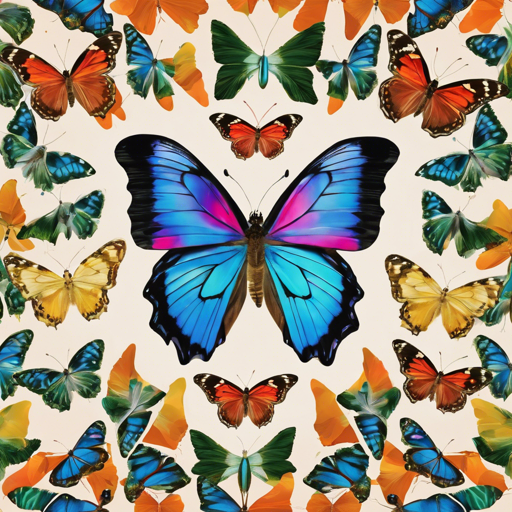
Welcome to an exciting journey into the world of AI-powered models, particularly focusing on the ddpm-butterflies-128 diffusion model! In this blog post, we will explore how to use this model effectively and troubleshoot common issues, all while keeping the conversation user-friendly. Let’s get started!
Model Overview
The ddpm-butterflies-128 model is a diffusion model trained using the Diffusers library. It utilizes the huggansmithsonian_butterflies_subset dataset to generate stunning butterfly images. This model harnesses the power of diffusion techniques—a method akin to creating an intricate piece of art by carefully layering color and texture over time.
Intended Uses and Limitations
This model is designed for a variety of applications, including:
- Image generation of butterflies
- Enhancing datasets for machine learning
- Artistic explorations and creative projects
However, like all models, it has limitations and biases. It’s important to ensure that the use cases are ethical and that users are aware of these potential pitfalls.
How to Use the Model
To leverage the diffusion model, you’ll first need to run it in your Python environment. Here’s a template to get you started:
import torch
from diffusers import DiffusionPipeline

pipeline = DiffusionPipeline.from_pretrained("huggansmithsonian_butterflies_subset")
# Generate butterfly images
images = pipeline(prompt="A beautiful butterfly").images
In the example above, you simply import the required libraries and load the model to generate butterfly images. Make sure your environment has the necessary packages installed.
Understanding the Training Hyperparameters
The model was trained using specific hyperparameters to optimize performance:
- Learning Rate: 0.0001
- Train Batch Size: 16
- Evaluation Batch Size: 16
- Optimizer: AdamW
- Mixed Precision: fp16
Consider these as the special ingredients that help the model learn effectively, akin to a chef adjusting their recipe to ensure the perfect result!
Troubleshooting Tips
If you run into issues while using the model, try the following troubleshooting steps:
- Ensure all required libraries are installed: Check for any missing packages in your environment.
- Review your inputs: Make sure that the prompts or parameters you provide are clear and appropriate for generating butterfly images.
- Check for compatibility: Verify that the version of the Diffusers library matches your model specifications.
For more insights, updates, or to collaborate on AI development projects, stay connected with fxis.ai.
Final Thoughts
At fxis.ai, we believe that such advancements are crucial for the future of AI, as they enable more comprehensive and effective solutions. Our team is continually exploring new methodologies to push the envelope in artificial intelligence, ensuring that our clients benefit from the latest technological innovations.
Conclusion
The ddpm-butterflies-128 diffusion model offers a promising way to generate butterfly images, blending artistic creativity with cutting-edge technology. By understanding how to effectively use this model and troubleshoot common issues, you can explore its full potential. Happy coding!