
Welcome to the exciting world of AI language models! In this blog, we’ll explore how to effectively use the 30B-Lazarus model, a fascinating product of experimental LoRA applications and model merges. Let’s dive in!
Understanding the 30B-Lazarus Model
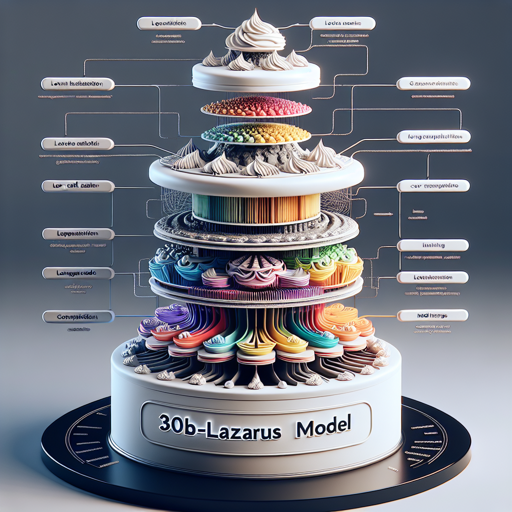
The 30B-Lazarus model represents a sophisticated fusion of various language models, using Low-Rank Adaptation (LoRA) to enhance its features without compromising its core functionalities. Imagine building a multi-layered cake where each layer contributes unique flavors but remains solidly structured. Each model and LoRA in the ensemble is like a carefully selected ingredient, bringing out distinct tastes (or, in our case, capabilities) while complementing others.
Setting Up the 30B-Lazarus Model
To make the most out of the 30B-Lazarus model, follow these setup instructions:
- Primary Instruction: Start with the Alpaca instruct format, as it is designed to work seamlessly with this model.
- Secondary Format: The Vicuna instruct format may also yield satisfactory outcomes.
- Using Interfaces: If you are using KoboldAI or Text-Generation-WebUI, consider switching between presets. For best results, toggle between Godlike and Storywriter presets.
- Output Length: Adjust the output length and instructions in memory for optimal performance. Different settings can lead to varying results.
- Temperature Setting: Be mindful of the temperature setting; it can heavily influence the responsiveness and creativity of the model.
Troubleshooting Tips
Even with the best setups, challenges may arise. Here are some troubleshooting efforts you can undertake:
- If adjusting the settings doesn’t yield the desired output, try upping the intensity – if poking it with a stick doesn’t work, try poking harder.
- Model Conflicts: If you notice that the LoRAs are conflicting (as they might intercompete), consider simplifying the configuration by using fewer layers.
- Getting Experimental: Running experimental tests is crucial, as subjective results can vary widely. Make sure to collect data to inform your adjustments.
For more insights, updates, or to collaborate on AI development projects, stay connected with fxis.ai.
Credits for Language Models and LoRAs Used
The 30B-Lazarus model derives its impressive capabilities from several notable models and LoRAs. Here’s a quick overview:
- manticore-30b-chat-pyg-alpha: Developed by OpenAccess AI Collective – Link
- SuperCOT-LoRA: Developed by Kaiokendev – Link
- Storytelling-LLaMa-LoRA: Created by GamerUnTouch – Link
- SuperHOT Prototype: Another innovative creation by Kaiokendev – Link
- ChanSung’s GPT4-Alpaca-LoRA: Available at – Link
- Neko Institute of Sciences Vicuna Unlocked LoRA: Found at – Link
We extend our gratitude to Meta for LLaMA and all the contributors for their incredible work in developing cutting-edge AI solutions.
At fxis.ai, we believe that such advancements are crucial for the future of AI, as they enable more comprehensive and effective solutions. Our team is continually exploring new methodologies to push the envelope in artificial intelligence, ensuring that our clients benefit from the latest technological innovations.