
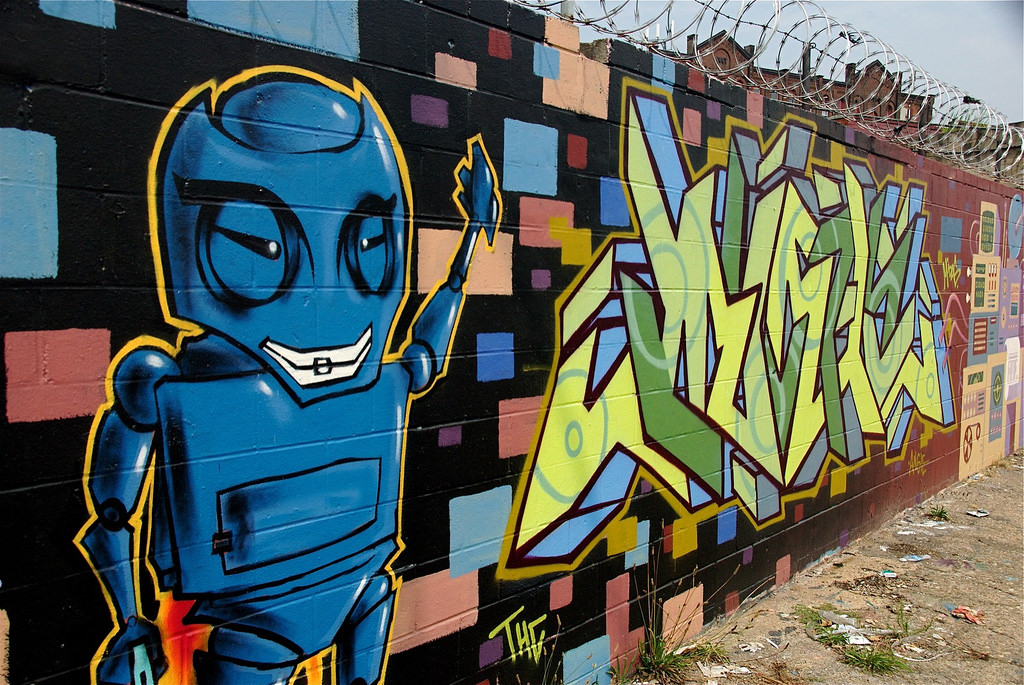
The rise of artificial intelligence (AI) has been a hot topic of discussion for the past few years, slowly weaving its way into different aspects of our daily lives. Have you ever checked in at a hotel and encountered a robot front-desk clerk? In Japan, this is becoming a reality, raising intriguing questions about human interaction and what it means to coexist with machines. “Enjoy your com-FORT-able stay,” the robotic clerk might say, and the brevity of our response can reveal much about our relationship with AI. Will we embrace these innovations, or are they gradually unraveling the already tenuous bonds of human interaction?
The Double-Edged Sword of AI
As we march toward an AI-driven future, we must consider both the advantages and the disadvantages of this technological tidal wave. On one side, AI promises to free us from mundane tasks, potentially allowing us to spend more quality time with family and friends. Just as social media has broadened our ability to maintain connections with loved ones, AI has the potential to enhance our social interactions by relieving us of repetitive work burdens.
However, with this leap into the future comes a looming question: what will happen to our jobs? The Oxford Martin School and Citi found that a staggering 57% of workers could be at risk of automation. As roles in customer service and manufacturing face potential extinction, it raises concerns about our economic landscape. The question we must navigate is whether AI will create opportunities or threaten livelihoods.
The Evolution of Work
While some fear job loss, others argue that AI won’t simply replace jobs but will transform them. Consider the blacksmiths of yesteryears; when the automobile arrived, the need for skilled horseshoe-makers diminished dramatically. However, this shift did not erase jobs—it opened new doors for mechanics and technicians. As AI advancements continue, we may find that our understanding of employment evolves, creating more specialized roles that require human insight, judgment, and creativity.
- New professions in AI ethics and robotics maintenance could emerge.
- Jobs centered around creative storytelling will likely flourish, as machines excel at analysis but struggle with empathy and originality.
- The narrative of human job loss may shift to a story of job transformation and enhancement.
Navigating Ethical Dilemmas
The ethical implications of AI’s rise cannot be overlooked. Recently, a Chinese inventor created a $50,000 robot replicating actress Scarlett Johansson—a move that opens a Pandora’s box of moral concerns. Is it right to create artificial beings that imitate real people to satisfy emotional voids? How would we react if someone constructed a lifelike version of ourselves? The conversation surrounding the ethical ramifications of AI creation is still in its infancy, and as we advance, we must clarify the moral boundaries.
The Quest for Authentic Connection
Another area of concern arises from our emotional responses to AI. A memorable sentiment comes from the world of music: “Drum machines have no soul.” In some genres, mechanical precision is lauded; yet in others, the delicate flaws of human performance add warmth and authenticity. This essence—the human psyche or soul—seems insurmountable to replicate through code, and the question remains: can we forge meaningful connections with AI, or will it always feel one-dimensional?
Conclusion: Embracing Our Technological Future
As we stand on the precipice of an artificially intelligent future, we have much to consider. Will we allow AI to enhance our lives, or will we become subservient to a machine-driven existence? With the potential for job displacement also comes the prospect of innovation and expansion into new territories. We must engage in discussions that encompass ethical considerations while celebrating the unique contributions that human creativity and emotion bring to the table.
At fxis.ai, we believe that such advancements are crucial for the future of AI, as they enable more comprehensive and effective solutions. Our team is continually exploring new methodologies to push the envelope in artificial intelligence, ensuring that our clients benefit from the latest technological innovations. For more insights, updates, or to collaborate on AI development projects, stay connected with fxis.ai.