
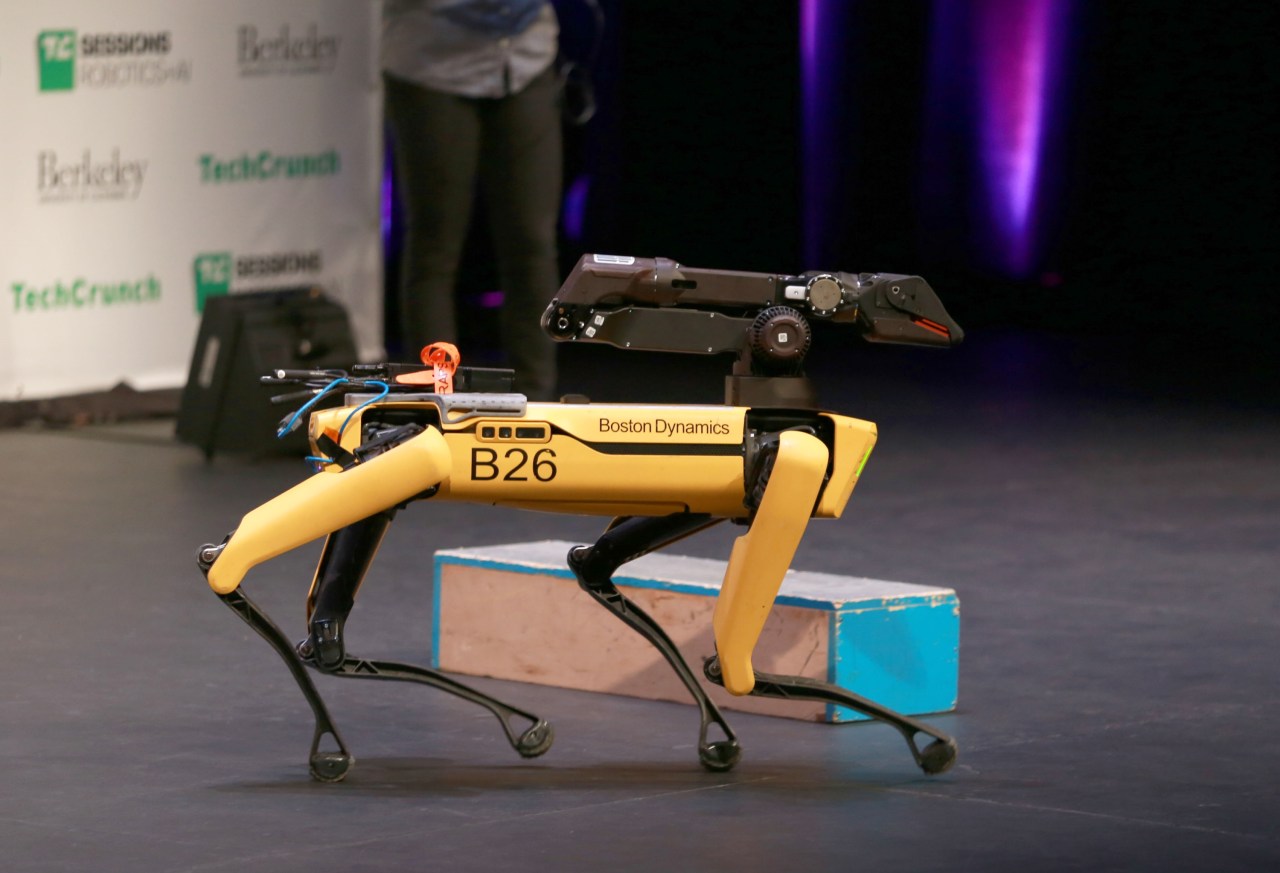
The world of robotics is rife with innovation and technological leaps, and it appears that Hyundai Motors is poised to change the industry landscape yet again. Recent reports indicate that the Korean automaker is in discussions to acquire SoftBank-owned Boston Dynamics, a move that could redefine the future of robotics and mobility. With Boston Dynamics’ illustrious history of creating groundbreaking robotic systems like BigDog and Atlas, the implications of such an acquisition are far-reaching and exciting.
The Evolution of Boston Dynamics
Founded in 1992, Boston Dynamics has been a pioneer in the field of robotic engineering, transitioning from military applications to commercial viability over the years. It’s noteworthy that the company has changed hands multiple times; first sold to Google and then to SoftBank Group in 2017. Under SoftBank’s ownership, Boston Dynamics has shifted focus towards commercialization, launching products like the Spot robot, designed for various applications from military support to telemedicine.
Hyundai’s Vision for Robotics and Mobility
Hyundai is not just an automotive manufacturer; it is increasingly embracing the future of mobility through robotics and automation. With plans to invest 41 trillion South Korean won (approximately $35 billion) into future mobility technologies by 2025, the potential acquisition of Boston Dynamics aligns perfectly with the company’s aspirations. Hyundai has already made significant strides into this realm via its partnership with Aptiv, where the two companies have formed a joint venture named Motional focused on developing self-driving technology.
- Collaboration and Investment: Hyundai’s collaboration with Aptiv aims to bring Level 4 and Level 5 self-driving systems to market, targeting robotaxi fleets and automakers by 2022.
- Technological Integration: Boston Dynamics’ expertise in robotics complements Hyundai’s burgeoning interest in autonomous vehicles, paving the way for innovative integrated solutions.
- Future Robotics Projects: With logistics robots on the horizon, many in the industry are looking towards what Boston Dynamics can achieve under new ownership—especially in terms of warehousing and distribution automation.
The Challenges Ahead
However, while the prospect of this acquisition is thrilling, it is essential to consider the hurdles Hyundai would face in scaling such advanced technologies. Boston Dynamics’ creations, while awe-inspiring, come with significant costs and require deep pockets to develop and operationalize. The landscape is marked by the necessity for investment and a patience-driven approach to technological advancement.
What This Means for the Future
The potential merging of Hyundai’s automotive legacy with Boston Dynamics’ cutting-edge robotics could lead to unprecedented innovations in mobility and automation. From self-driving cars enhanced with robotics to the deployment of advanced machines in traditional industries, the possibilities seem limitless. Imagine a world where deliveries are made seamlessly by a fleet of robot trucks equipped with Boston Dynamics’ technology—a futuristic but realistic goal.
Conclusion
In summary, Hyundai’s rumored acquisition of Boston Dynamics could mark a pivotal moment in the evolution of both companies and the industries they serve. By leveraging Boston Dynamics’ extensive robotics experience and combining it with its own automotive expertise, Hyundai could help spearhead a new era of intelligent mobility solutions, bridging the gap between transportation and robotics.
At fxis.ai, we believe that such advancements are crucial for the future of AI, as they enable more comprehensive and effective solutions. Our team is continually exploring new methodologies to push the envelope in artificial intelligence, ensuring that our clients benefit from the latest technological innovations. For more insights, updates, or to collaborate on AI development projects, stay connected with fxis.ai.