
In a world where data reigns supreme, the demand for high-powered processing capabilities has escalated dramatically. In early 2017, Google made a substantial leap forward by introducing GPU support on its Cloud Platform, specifically targeting the needs of developers immersed in machine learning, simulations, and artificial intelligence applications. This move not only positions Google as a frontrunner in cloud computing but also enhances the capabilities of developers seeking to harness the power of advanced graphics processing units (GPUs).
The Power of GPUs in Cloud Computing
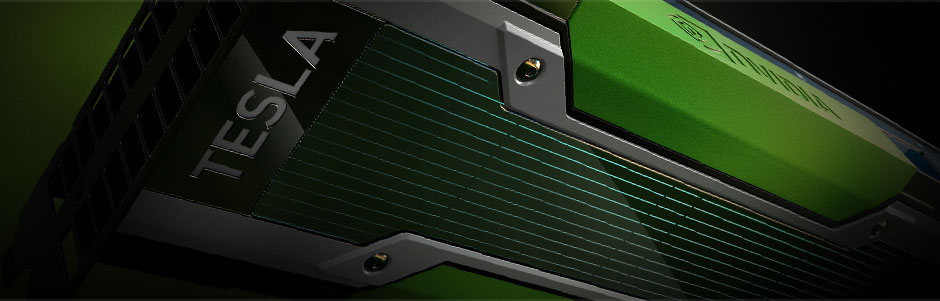
The incorporation of Nvidia Tesla K80 GPUs into Google Cloud is a game changer. These GPUs are designed for demanding computing tasks, offering incredible performance with their dual cores, each equipped with 2,496 stream processors and 12 GB of GDDR5 memory. With such robust hardware, developers can efficiently handle tasks that require immense computational power—like complex simulations or training deep learning models using frameworks such as TensorFlow, Torch, MXNet, and Caffe.
What’s particularly interesting is that Google allows developers to attach up to eight K80 GPUs to a custom Compute Engine machine. This flexibility means that developers can build nearly limitless configurations tailored specifically to their project’s needs, a crucial feature for those working in areas like artificial intelligence and big data analytics.
Global Reach with Local Performance
Google has made these powerful GPU-based virtual machines available across three of its data centers located in us-east1, asia-east1, and europe-west1. This broad distribution ensures that developers across various regions can access high-performance computing resources with minimal latency. As machine learning becomes increasingly globalized, having localized resources means more efficient workflows and faster results.
Cost vs. Value: A Worthy Investment
While the price point of $0.70 per hour in the US and $0.77 in Asia and Europe may seem high, it’s crucial to consider the value that comes with utilizing Tesla K80 accelerators. Owning the hardware outright would cost thousands of dollars, making cloud solutions a financially viable alternative for many developers. Google’s model allows companies to scale their infrastructure based on actual needs—paying as they go, without the burden of hefty upfront investments.
A Forward-Looking Perspective
This announcement came just before Google’s Cloud NEXT conference, suggesting momentum for even broader initiatives. Google aims to democratize access to machine learning capabilities, enabling an array of developers to leverage artificial intelligence without the need for extensive resources. The tools provided through Google Cloud not only make sophisticated computations more accessible but also fuel innovation by empowering developers to experiment with their concepts swiftly.
Conclusion: Embracing the Future of AI with Google Cloud
The launch of GPU support on Google Cloud is a significant stride toward enhancing computational capabilities for developers. With powerful hardware, global availability, and flexible pricing, Google is setting the stage for transformative projects that could shape the landscape of technology in the years to come. As we stand at the precipice of potential, this offering from Google represents not just a service, but a commitment to pushing the boundaries of what’s possible in artificial intelligence and machine learning applications.
At fxis.ai, we believe that such advancements are crucial for the future of AI, as they enable more comprehensive and effective solutions. Our team is continually exploring new methodologies to push the envelope in artificial intelligence, ensuring that our clients benefit from the latest technological innovations.
For more insights, updates, or to collaborate on AI development projects, stay connected with fxis.ai.