
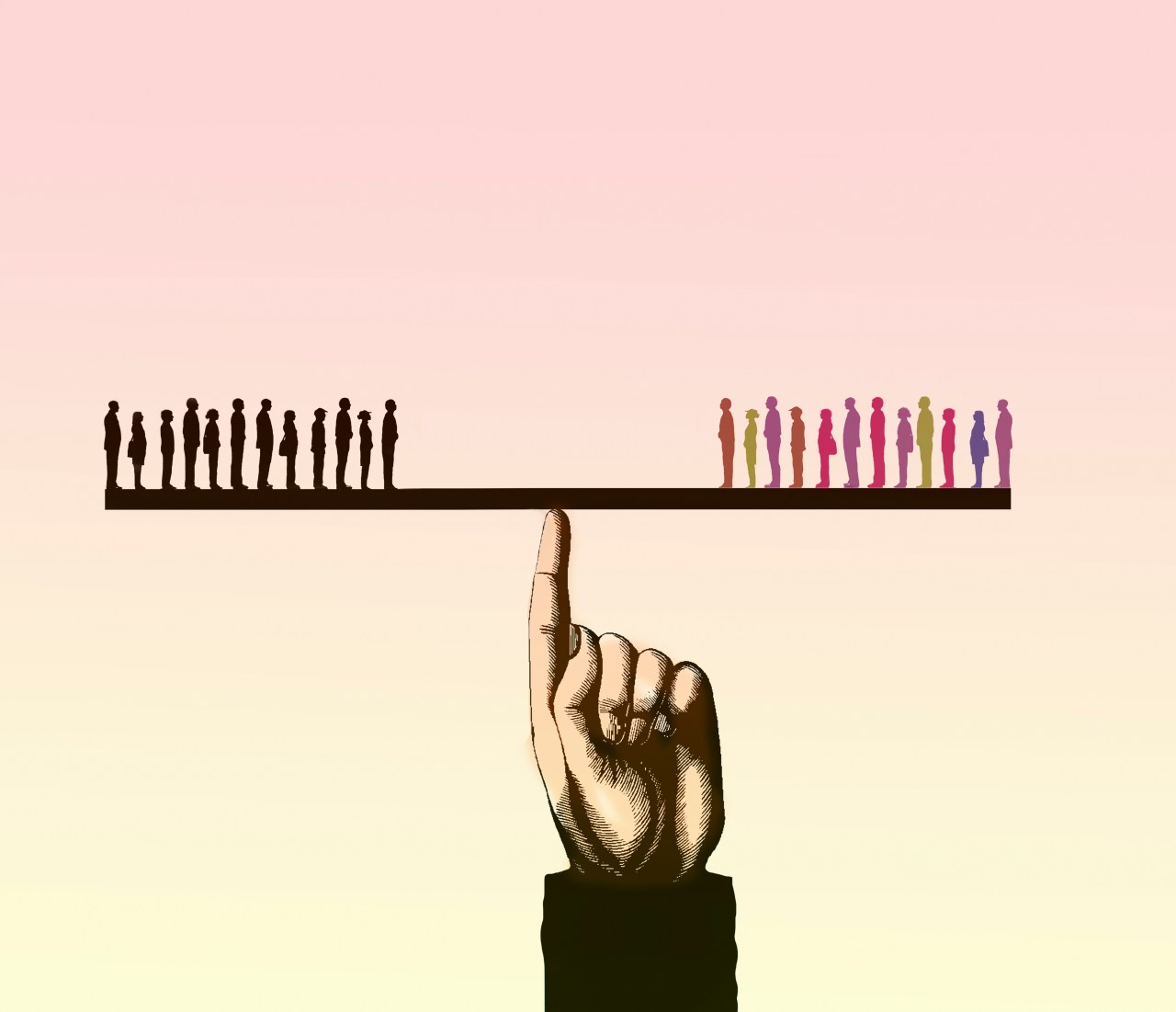
In a world increasingly influenced by technology, the conversation surrounding inclusivity has never been more critical. As we forge ahead with groundbreaking innovations, we must also address the inequalities that persist within the tech industry. In a captivating dialogue with Chanda Prescod-Weinstein, a trailblazing theorist and activist, we delve into the complexities of inclusion and the ethical ramifications of our technological advancements. Part two of this discussion brings to light pressing questions about representation, community roles, and the fabric of our academic and tech environments.
The State of Inclusion in the Science and Tech Realms
Chanda Prescod-Weinstein brings a unique perspective, being one of the few Black women in theoretical cosmology. Her reflections on inclusion illuminate a need for deeper introspection. “We need to ask ourselves what our aims are and where we’re going with this,” she emphasizes. It is crucial to acknowledge that mere representation doesn’t equate to substantive change, nor does it forsake the actual experiences and contributions of those who occupy these spaces.
- Are we merely bringing in tokens?
- What does it mean to create an environment where individuals from diverse backgrounds can thrive?
The answer lies in fostering a culture that not only welcomes diversity but actively promotes it at every organizational level. While numbers matter, the story extends beyond headcounts to how we interact with communities from which these individuals hail.
Challenging the Ruling Class Narrative
One of the profound observations made by Prescod-Weinstein is the leaning towards a idea that inclusion merely strengthens an elite tier, rather than dismantling it. She questions whether entering these top positions of power aligns with genuine educational endeavors or whether it simply continues to perpetuate an exclusive ruling class. By identifying this pattern, she urges us to consider the broader implications of our technological progress.
As Prescod-Weinstein articulates, “I don’t want to reify the ruling class and make it more colorful.” This assertion raises essential questions: Should our goal be to simply populate existing structures with more diversity, or should we aim to disrupt the status quo and create radical new frameworks?
Technology: A Double-Edged Sword
Chanda’s insightful critiques do not shy away from examining the paradoxes within technology. On one side, innovations promise improved communication and access, but who benefits from these advancements? The reality often reflects systemic inequalities, as evidenced by the housing crisis exacerbated by organizations within Silicon Valley.
“Where does equality come into the conversation when highly paid employees are struggling to achieve the everyday middle-class milestones?” she queries, driving at the heart of the matter that our tech advancements are sometimes interwoven with detrimental societal outcomes, such as climate change and inequality. This illuminates a vital point: technological evolution does not inherently signify social progress, and that we must remain vigilant about what we endorse and why.
The Role of Social Media in Advocacy
Twitter, a platform that often incites mixed feelings, serves as a significant channel for voices that are often marginalized. As Prescod-Weinstein notes, it can connect Black scientists and academics, yet simultaneously harbors toxicity. Navigating the complexities of discourse on social media becomes a necessary skill for advocates.
- How can we utilize such platforms to engage communities positively?
- Are we prepared to confront the backlash that accompanies outspoken views?
While the challenges are palpable, Prescod-Weinstein insists that expressive platforms afford opportunities for growth and dialogue that can enrich our understanding of intersectional identities.
Conclusion: Envisioning a Cooperative Future
In the concluding tones of the conversation, Chanda optimistically posits that fostering a shared human future requires patience and persistent effort. “I have to keep thinking it’s possible,” she states, reinforcing hope amidst the challenges faced in academia and beyond. As we move forward, we must do so with a commitment to ethical practices and sustained advocacy for inclusive environments in technology.
In summary, as we look to the future, let us not only aim to diversify representation but to cultivate environments that empower everyone to contribute positively to the world. This requires collective action and a willingness to wrestle with uncomfortable truths about power dynamics within our industries.
For more insights, updates, or to collaborate on AI development projects, stay connected with fxis.ai. At fxis.ai, we believe that such advancements are crucial for the future of AI, as they enable more comprehensive and effective solutions. Our team is continually exploring new methodologies to push the envelope in artificial intelligence, ensuring that our clients benefit from the latest technological innovations.